
+86-0512-6913892

Phone line

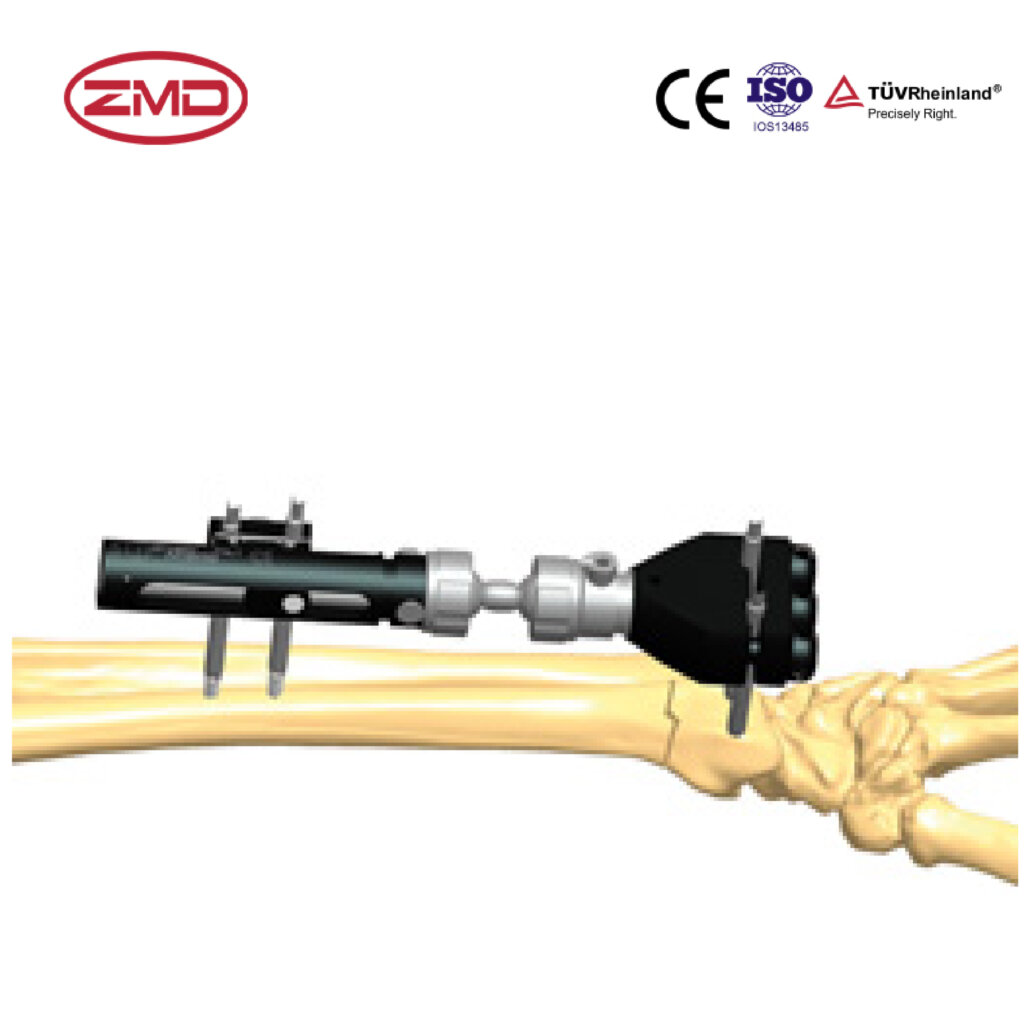
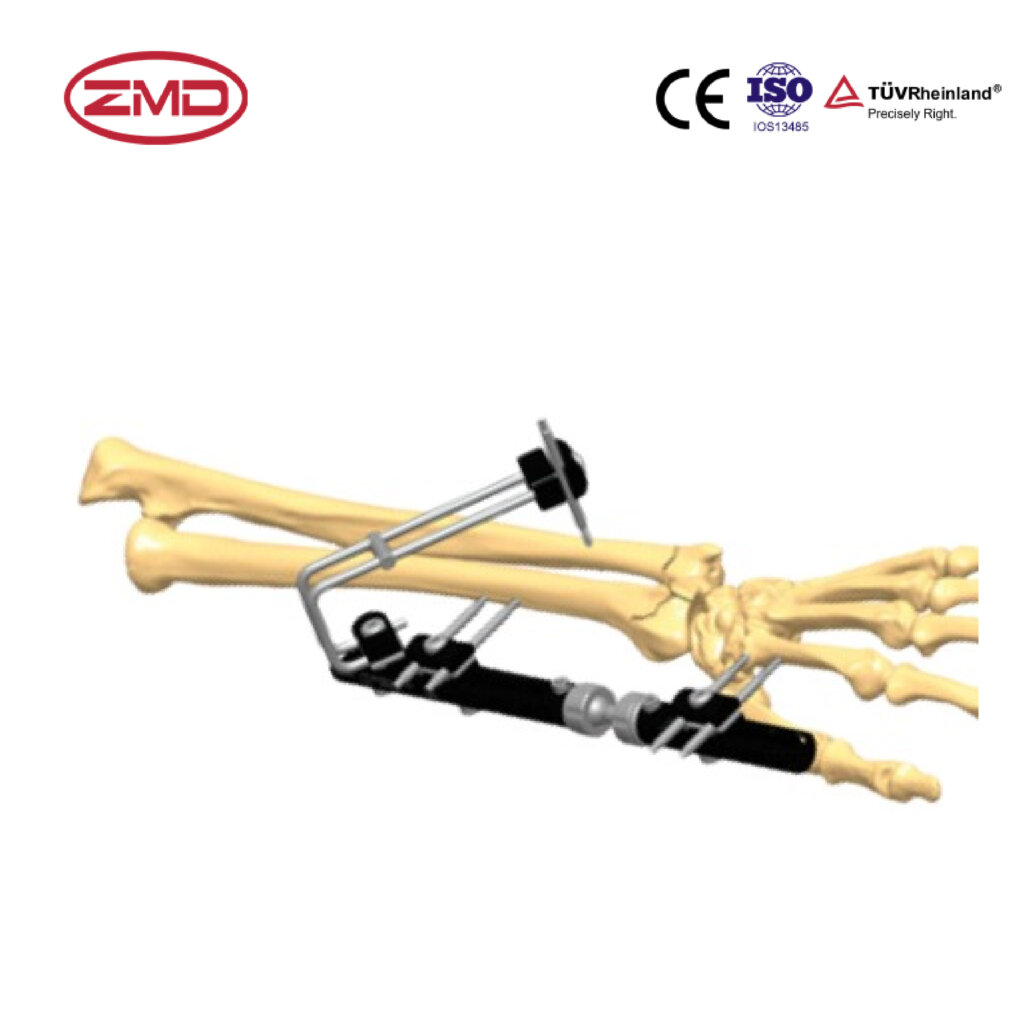
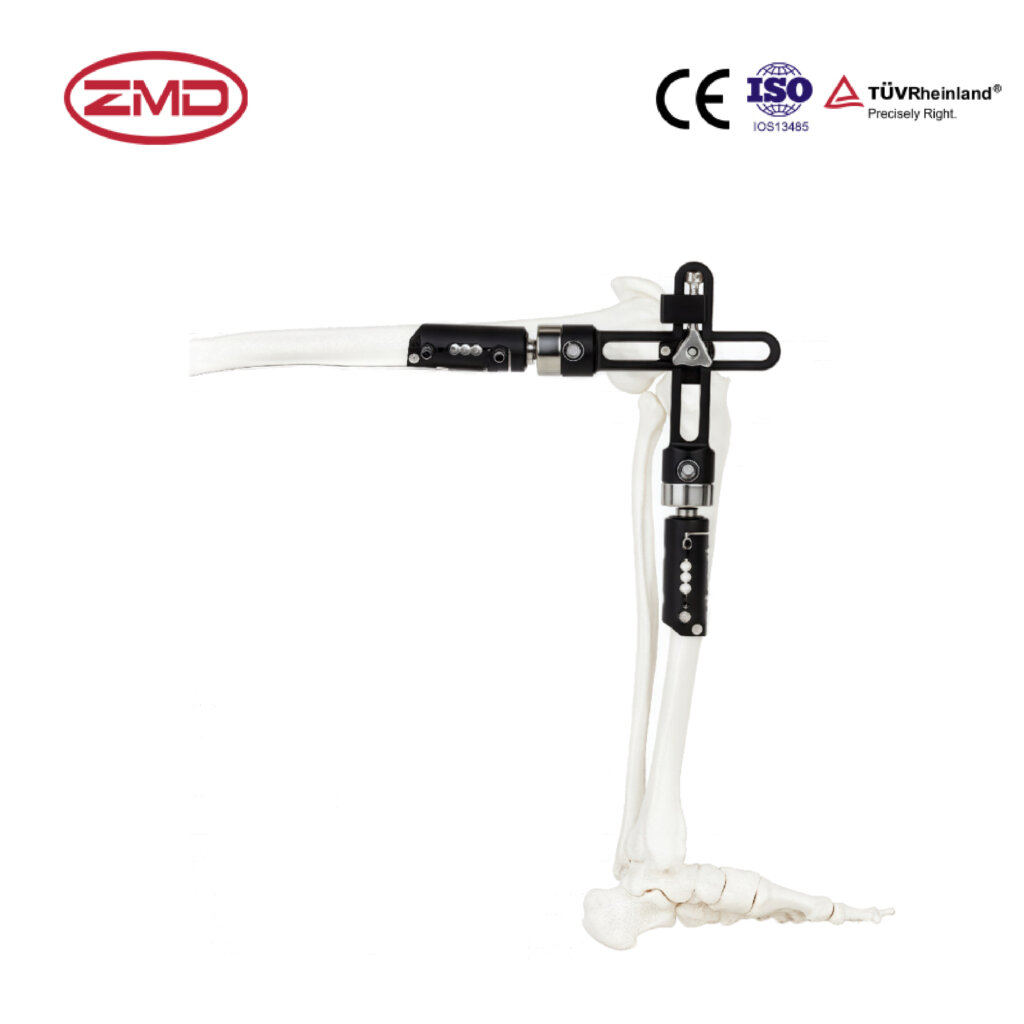
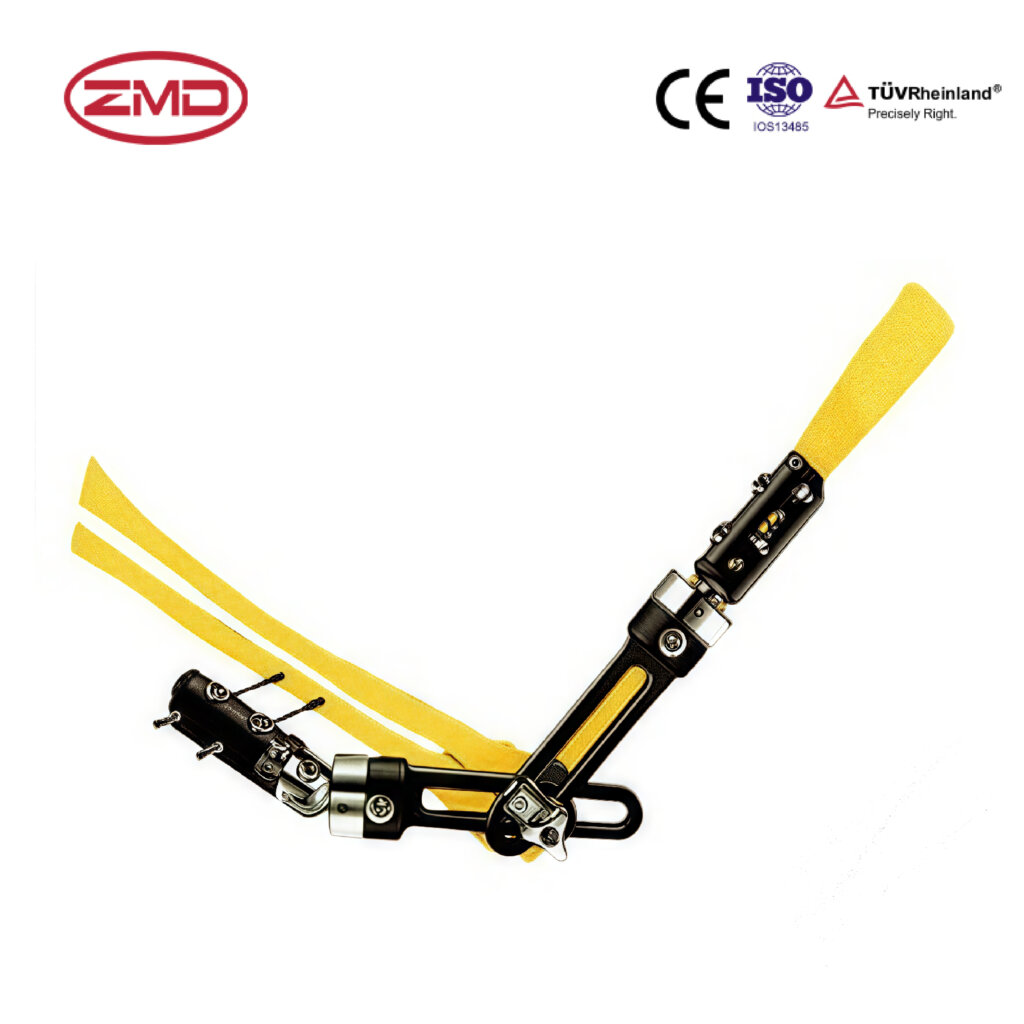
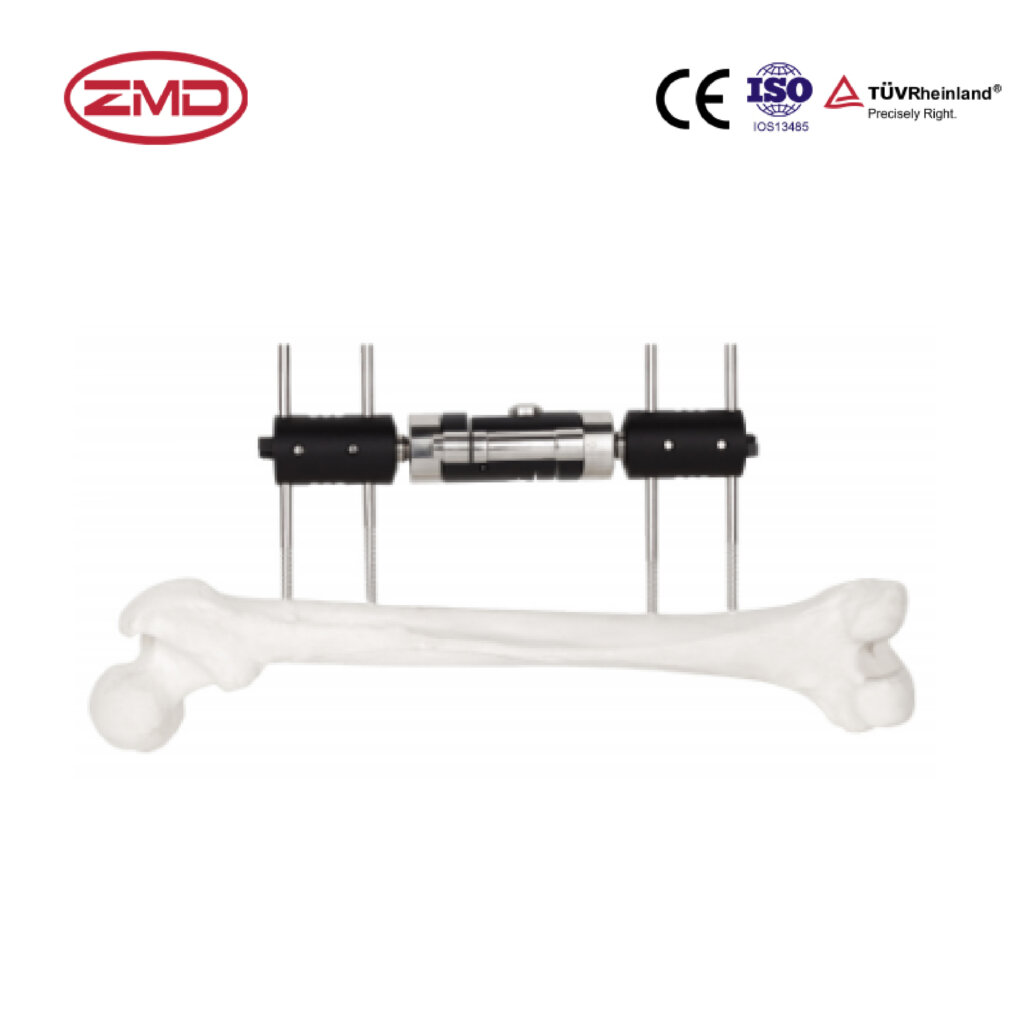
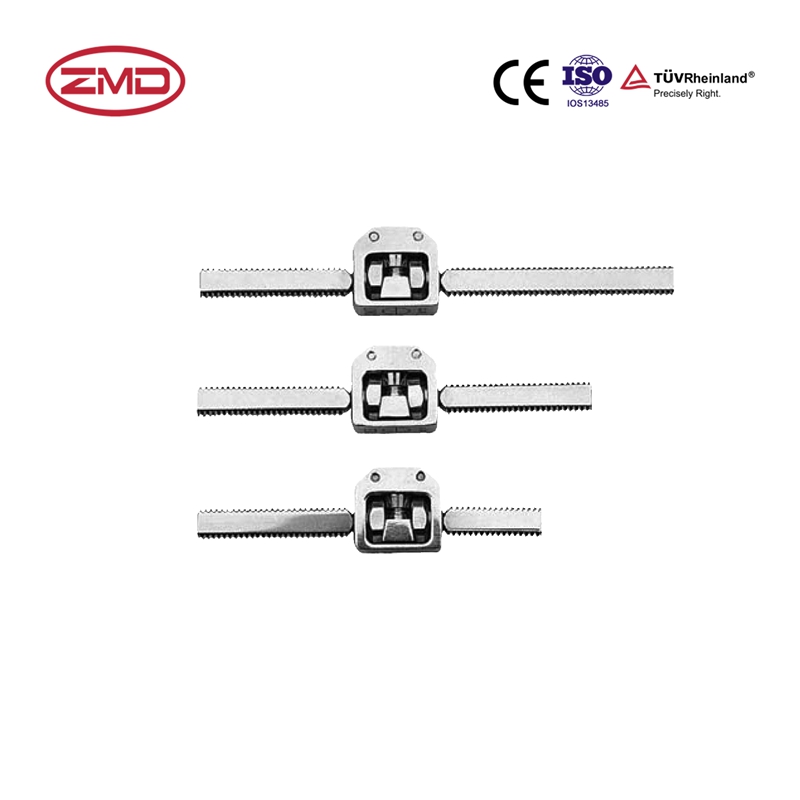
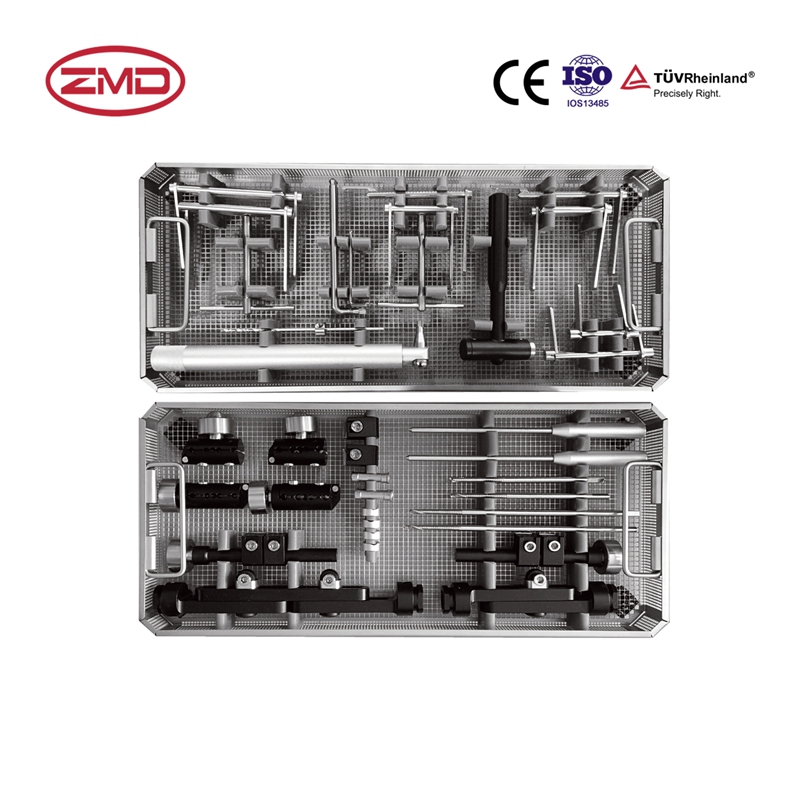
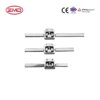
Pennig Minifixator Long/Standard/Short Body

  • Compact Design: Features a smaller and more portable design, ideal for use in confined spaces or for patients with limited mobility.
  • Versatile Applications: Suitable for a wide range of medical procedures and applications, including fracture fixation, joint stabilization, and orthopedic surgery.
  • Adjustable Design: Allows for customization to accommodate different patient anatomies and surgical requirements.
  • Durable Construction: Made from high-quality materials, ensuring long-lasting durability and resistance to wear and tear.
  • Easy Installation and Removal: Designed for easy installation and removal, minimizing discomfort for the patient.
CODEPRODUCTIONDESCRIPTIONMATERIAL
ZJ101Mini Fixator LongWhole setAluminum
ZJ102Mini Fixator StandardWhole setAluminum
ZJ103Mini Fixator ShortWhole setAluminum


Key Features of the Pennig Minifixator Long/Standard/Short Body

1. Sturdy Construction and Quality Materials

The Pennig Minifixator, whether in its long, standard, or short body form, is built with a sturdy construction. It is made from high – quality materials that are carefully selected to ensure durability. This robust build allows the device to withstand the mechanical stresses and strains associated with orthopedic applications. The materials used are also biocompatible, minimizing the risk of adverse reactions within the body and ensuring the long – term integrity of the device during the treatment period.

2. Adjustable Components for Customized Fit

One of the key features is the presence of adjustable components. These components enable healthcare providers to customize the fit of the Minifixator according to the specific needs of the patient’s anatomy and the nature of the orthopedic condition. For example, the length or width of the device can be adjusted to precisely match the size of the affected area. This adjustability provides a more personalized approach to treatment, ensuring that the fixation is as effective as possible.

3. Targeted Support to the Affected Area

The design of the Minifixator body is such that it provides targeted support to the affected area. Depending on whether it’s a long, standard, or short body, it can be positioned to apply pressure and support exactly where it’s needed. This targeted support is crucial for maintaining the correct alignment of bones and soft tissues, as well as for distributing the forces evenly across the affected area. By doing so, it helps to prevent any local overloading of tissues and promotes a more favorable environment for healing.

Benefits of the Pennig Minifixator Long/Standard/Short Body

1. Reliable Fixation and Alignment

In the context of orthopedic conditions, the Minifixator offers reliable fixation and alignment. Whether dealing with fractures, bone deformities, or other musculoskeletal issues, it holds the bones or affected structures firmly in place. This reliable fixation is essential for preventing unwanted movement that could disrupt the healing process. The device also ensures that the bones are in the correct alignment, which is a fundamental factor in promoting proper bone healing and reducing the risk of complications such as malunion or non – union.

2. Ease of Use

The Minifixator is designed to be easy to use. Its components are intuitive and straightforward to operate, even for medical personnel who may be less experienced with the device. The adjustability features, for example, can be easily manipulated without the need for complex tools or extensive training. This ease of use saves valuable time during surgical procedures and also simplifies the process of making adjustments during the rehabilitation phase.

3. Adjustability as the Patient’s Condition Improves

As the patient’s condition improves over time, the ability to adjust the Minifixator becomes a significant benefit. For example, as the bones begin to heal and the need for a more rigid fixation decreases, the device can be modified to provide a more flexible support. This adaptability allows for a seamless transition through different stages of the healing process and ensures that the device continues to provide the most appropriate level of support as the patient recovers.

4. Valuable Tool in Treatment and Rehabilitation

Overall, the Pennig Minifixator is a valuable tool in the treatment and rehabilitation process. By providing reliable fixation, targeted support, and adjustability, it enhances the chances of a successful recovery. It can be used in a variety of orthopedic settings, from initial trauma management to long – term rehabilitation, and plays a crucial role in helping patients regain normal function and mobility

Structural Components and Adjustment

The Minifixator, regardless of whether it’s the long, standard, or short body variant, is composed of rods and clamps. These components are crucial for its functionality. The rods form the main structural framework, providing a base for the attachment of other elements. The clamps, on the other hand, are designed to grip the rods and can be adjusted precisely. Through this adjustability, healthcare professionals can configure the Minifixator to fit the specific anatomy of the patient. They can modify the position, angle, and tightness of the clamps along the rods to ensure that the device snugly conforms to the injured area, whether it’s around bones or soft tissues.

Alignment and Immobilization in Orthopedic Conditions

In the case of fractures or various orthopedic conditions, the primary function of the Minifixator is to hold the bones or tissues in proper alignment. For fractures, it keeps the bone fragments in their correct position relative to each other. In other orthopedic issues like soft tissue injuries or bone deformities, it maintains the appropriate anatomical arrangement. By doing so, it significantly reduces movement at the injury site. Minimizing this movement is essential because excessive motion can disrupt the body’s natural healing processes, such as interfering with the formation of new bone tissue in fractures or delaying the repair of soft tissues.

Facilitating Controlled Movement

While the Minifixator’s main role is to provide stability and reduce unwanted movement, the standard body design also allows for some controlled movement. This is a crucial aspect as it helps prevent stiffness in the affected area. Complete immobilization for an extended period can lead to joint stiffness and limited range of motion once the fixator is removed. By permitting a controlled amount of movement, the device encourages the maintenance of joint flexibility and muscle function during the healing process. This controlled movement is carefully calibrated to balance the need for stability with the prevention of long-term functional impairments.

Adaptability During the Healing Process

As the patient heals, the Minifixator can be adjusted to accommodate the changes in the injury site. For instance, as bone fragments start to knit together in a fracture, the level of fixation required might decrease. Medical staff can then loosen or reposition the clamps and rods accordingly. This adaptability ensures that the device continues to provide the most appropriate level of support throughout the different stages of recovery. It allows for a gradual transition from a more rigid fixation in the initial healing phase to a less restrictive support as the tissues regain strength and stability.

Contribution to Successful Recovery

Over time, the body adapts to the fixator, and with proper care and treatment, a successful recovery can be achieved. The Minifixator plays a vital role in creating an optimal environment for healing by maintaining alignment, allowing controlled movement, and being adjustable as needed. Alongside other aspects of medical care, such as appropriate medication, physical therapy, and patient compliance with post-treatment instructions, the Minifixator helps the patient progress towards full recovery, enabling them to regain normal function and mobility in the affected area.
In summary, the Pennig Minifixator Long/Standard/Short Body functions as an essential orthopedic tool by providing structural support, ensuring proper alignment, facilitating controlled movement, adapting to the healing process, and ultimately contributing to a successful recovery for patients with orthopedic injuries or conditions

Frequently Asked Questions

Q1: How durable is the Pennig Minifixator Standard Body?

The Pennig Minifixator Standard Body is made of high-quality materials. These materials are carefully chosen for their strength and ability to endure the mechanical forces and demands that come with orthopedic treatment. It is designed to withstand the pressures exerted on it during normal use, such as when holding bones in place or accommodating patient movement. This durability ensures that it can function effectively throughout the entire treatment period without breaking down or losing its structural integrity

Q2: Is it comfortable to wear?

It is designed with patient comfort in mind. The device often incorporates padding in areas that come into contact with the body to reduce friction and pressure points. Additionally, its adjustable components allow for a customized fit. By being able to modify aspects like the tightness and position of the fixator, healthcare providers can minimize discomfort for the patient, making it as comfortable as possible during the healing process.

Q3: Can it be adjusted easily?

Yes, it can be adjusted by healthcare professionals. The design of the Minifixator includes features that enable straightforward manipulation of its components. For example, the clamps and rods can be loosened, tightened, or repositioned with relative ease. This adjustability allows for fitting the device to the patient's specific anatomy initially and also for making changes as the healing progresses and the patient's condition evolves.

Q4: How long should it be worn?

The duration for which the Pennig Minifixator Standard Body should be worn varies from one individual case to another. It depends on multiple factors such as the type and severity of the orthopedic condition, the rate of healing, and the advice of the healthcare provider. In general, it can range from several weeks to months. The healthcare provider will closely monitor the patient's progress and determine when it is appropriate to remove the device based on signs of sufficient healing

Q5: Does it interfere with daily activities?

While wearing the Pennig Minifixator Standard Body may limit some activities to an extent, it is designed to allow for as much functionality as possible during the healing process. Depending on the location of the injury and the specific design of the fixator, patients may still be able to perform many basic daily tasks like walking, sitting, and using their hands (if the affected area allows). However, more strenuous or high-impact activities may need to be avoided or modified to ensure the device remains in place and the healing process is not disrupted.

Q6: Is it waterproof?

Generally, the Pennig Minifixator Standard Body is not waterproof. Since it is mainly composed of metals and plastics that are not designed to be fully submerged or exposed to excessive moisture without protection. However, proper care can be taken to protect it from getting wet. For example, covering it with waterproof materials during activities like bathing or using special waterproof sleeves if available.

Q7: Can it be removed temporarily?

It can only be removed temporarily under the guidance of a healthcare professional and for specific reasons. For instance, if there is a need for cleaning the area around the device, for certain medical examinations that require its removal, or if adjustments are better made with it off for a short period. However, any removal and reapplication should be done carefully to avoid disrupting the alignment and fixation that the device is providing

Q8: Does it help with pain relief?

By providing stability and proper alignment, the Pennig Minifixator Standard Body can often help reduce pain associated with orthopedic injuries. When the bones or tissues are held in the correct position, it minimizes abnormal movement and stress on the injured area, which in turn can alleviate pain. Additionally, the reduction in movement helps the body's natural healing mechanisms work more effectively, further contributing to pain relief as the injury heals

Q9: What materials is it made of?

It is typically made of metals and plastics that are strong and durable. The metals are usually used for the structural components like the rods and clamps to provide the necessary strength for fixation. Plastics may be incorporated in parts that require flexibility, ease of adjustment, or to provide a more comfortable interface with the patient's body. These materials work together to create a device that is both functional and long-lasting.

Q10: Can it be used for all types of orthopedic conditions?

It is designed for a variety of orthopedic conditions. However, a healthcare provider will determine its suitability for each specific case. While it is versatile and useful in many scenarios such as fractures, bone deformities, and some soft tissue injuries, there may be certain complex or specialized orthopedic situations where alternative fixation methods or devices might be more appropriate. The healthcare provider considers factors like the nature of the injury, the patient's overall health, and the expected course of treatment when deciding whether to use the Pennig Minifixator Standard Body.
Related Articles

Request A Free Quote

Oh yeah! I have to mention their payment options and discount offers, which are awesome! Those payment methods are as flexible as moving water and can be chosen freely according to our cash flow situation. And the frequent discounts, like a timely rain, have been moisturizing our financial statements time and again, and have had a rocket-like positive impact on our profits! With ZMD, I feel relaxed and at ease when it comes to purchasing!

We'd like to work with you

Send us a message if you have any questions or request a quote. Our experts will give you a reply within 24 hours and help you select the right valve you want.

We have an exclusive service of medical products for you, please leave your details and we will contact you as soon as possible.