





- Home
- About Us
- Products
- Trauma Internal Fixation System
- Spinal Internal Fixation System
- External Fixation
- Artificial Implants System
- Sports Medicine
- Power tools
- VSD System
- Instruments
- Medical supplies
- Blog
- Personnel Profile
- Contact Us
Phone line
The compression-distraction unit has a precise adjustment mechanism. It allows for fine-tuning of the compression and distraction forces. This mechanism can be operated manually or in some cases, electronically with digital controls for accurate settings. For example, in orthopedic surgery, the ability to set the exact amount of force is crucial for proper bone alignment.
It is constructed from high-quality materials such as medical-grade metals and strong polymers. The materials are chosen for their durability and resistance to wear and corrosion. In a hospital setting where it may be used frequently, it needs to withstand the rigors of repeated use without compromising its functionality. This ensures a long service life and reliable performance.
There are built-in safety features. For instance, it has limits on the maximum and minimum forces that can be applied to prevent over-compression or excessive distraction that could damage tissues or bones. It may also have locking mechanisms to hold the set position securely. In case of power failure or malfunction, there are backup systems to maintain the current setting.
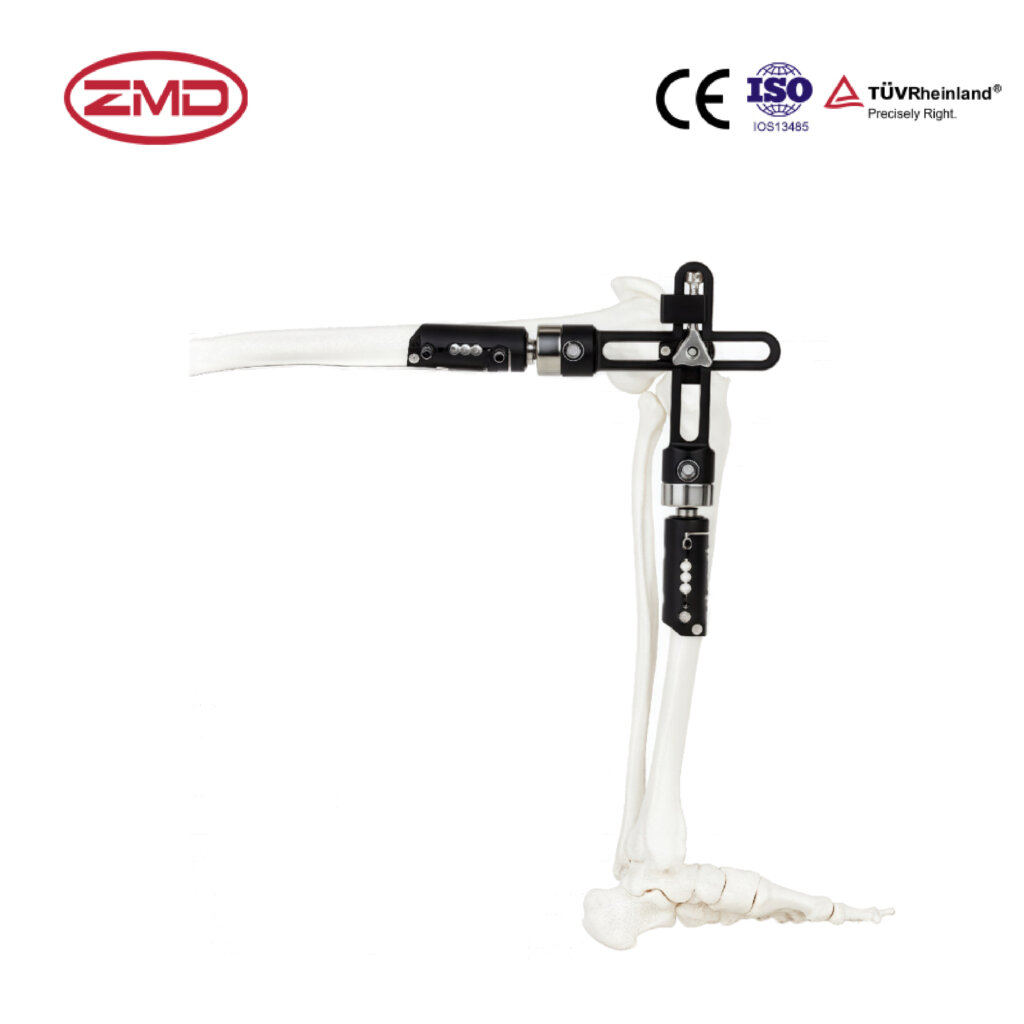
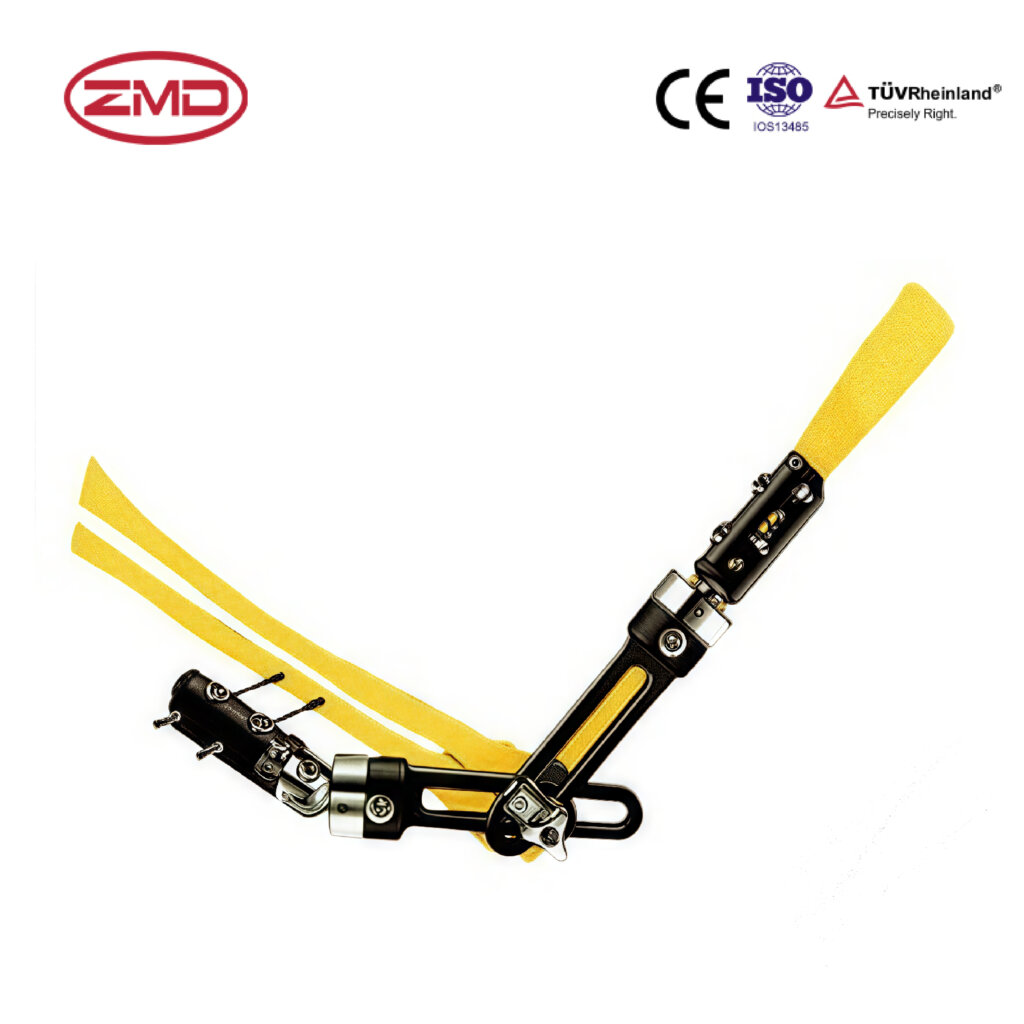
The unit is designed to be compatible with a variety of small fixators. It can attach easily to different models and sizes of fixators used in orthopedics. This versatility allows it to be used in a wide range of medical procedures. It may come with adapters or connectors that enable seamless integration, facilitating its use in different clinical scenarios.
It has a measurement system to accurately track the amount of compression or distraction applied. This could be a digital display or a scale that shows the values. Some models may also have the ability to connect to monitoring equipment, providing real-time data on the forces being applied. This helps medical professionals make informed decisions during treatment.
| CODE | PRODUCTION | DESCRIPTION | MATERIAL |
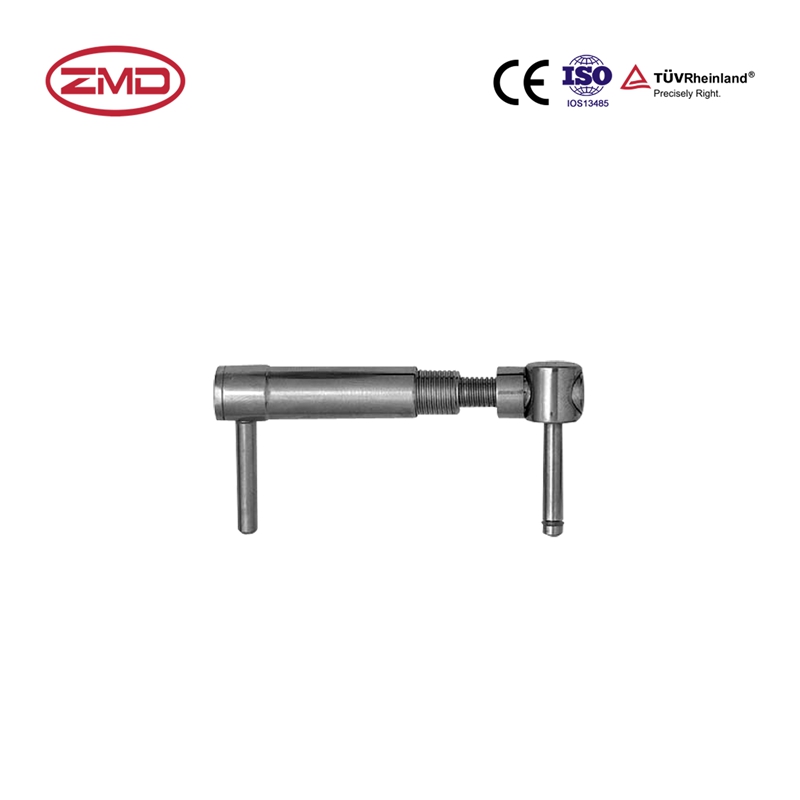
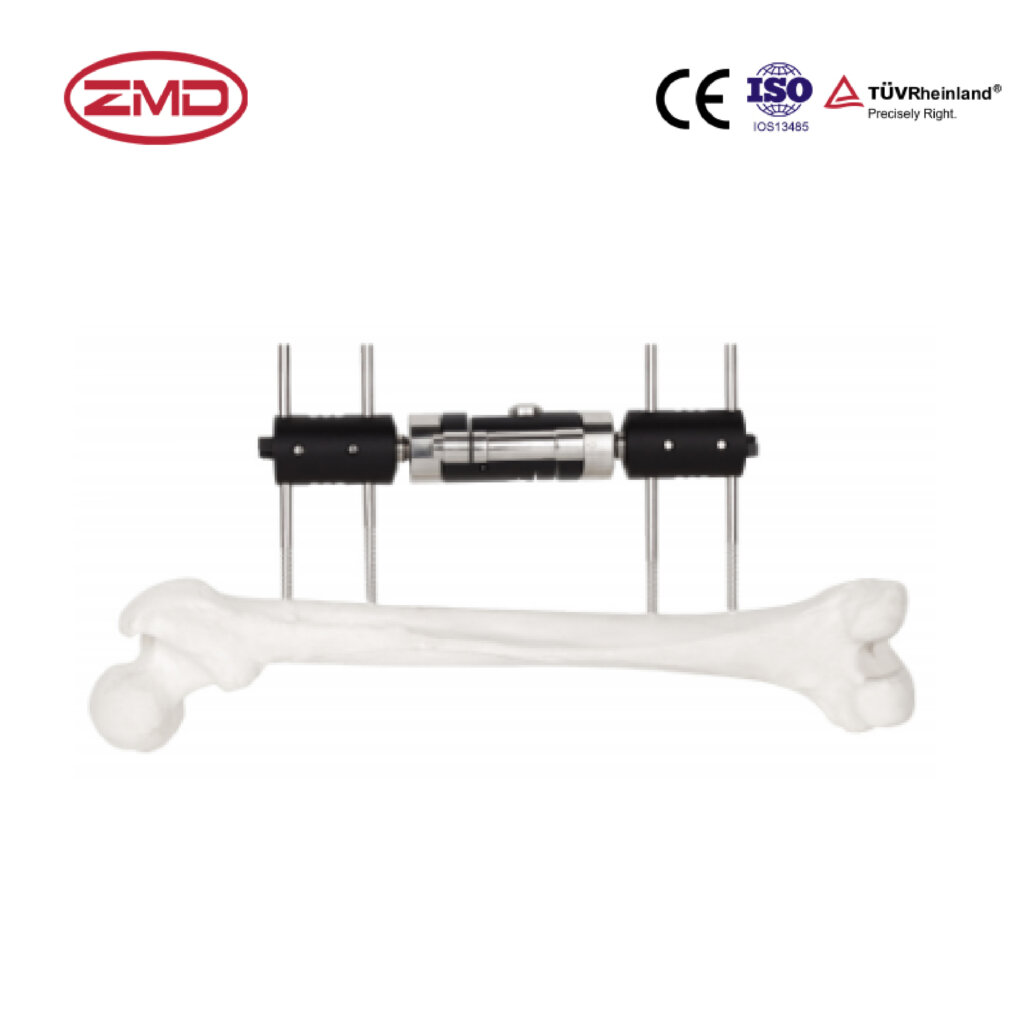
| ZC112 | Compression-Distraction Unit for Small Fixator,extends to 5cm | Extends to 5cm | S.S |
This unit offers precise control over compression and distraction forces. It has an adjustable range that allows for customization based on the specific medical need. The ability to extend up to 5cm provides flexibility in treating various bone and joint conditions.
One key feature is its accuracy. It can apply the right amount of force, which is crucial for proper healing. It is also designed for ease of use, with intuitive controls that medical professionals can operate with minimal training.
The unit helps in promoting bone growth and alignment. By providing the right amount of compression or distraction, it can speed up the recovery process. Additionally, its compatibility with small fixators makes it a versatile tool for orthopedic applications, enhancing the overall treatment options available.
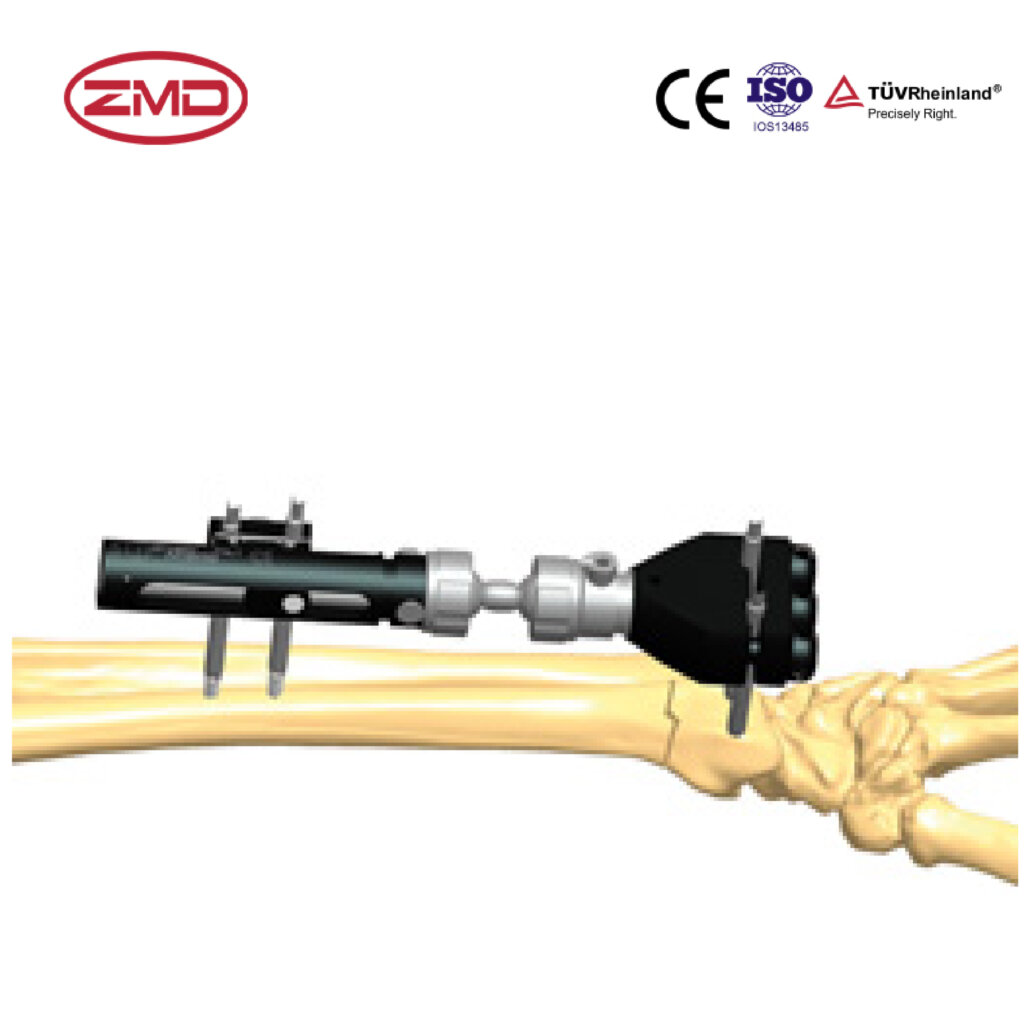
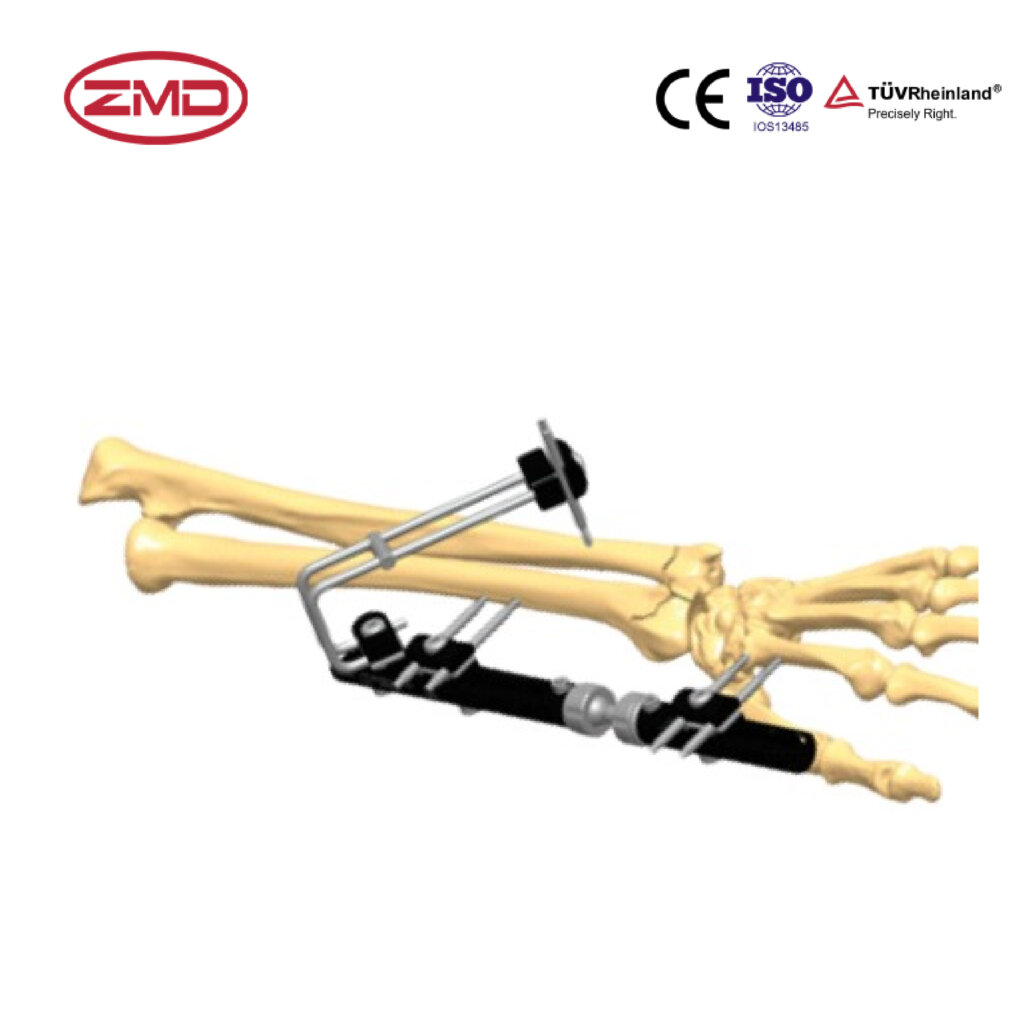
The compression-distraction unit is attached to the small fixator that is secured to the bone or the affected area. It works by using mechanical or in some cases, hydraulic mechanisms.
When in use for compression, it gradually draws two parts of the fixator closer together. This exerts pressure on the bones or tissues, which can help in promoting bone fusion or reducing gaps. For distraction, it creates a separation force between the fixator parts. This is useful for realigning fractured bones or relieving pressure on nerves and soft tissues.
The unit has controls that allow medical staff to set the desired amount of compression or distraction within its 5cm range. Sensors and calibration systems ensure accurate force application. It can be adjusted over time as the patient’s condition changes, facilitating the healing and rehabilitation process.
FAQ
Q1: What is the accuracy of the force measurement?
A: The force measurement accuracy can vary depending on the model. High-quality units typically have an accuracy within ±[X] Newtons. Advanced sensors and calibration systems ensure that the forces applied for compression and distraction are closely monitored and accurate. This allows for precise treatment and better patient outcomes.
Q2: How is the unit powered?
A: Some units are battery-operated, with rechargeable or replaceable batteries. Others may be plugged into an electrical outlet. Battery-operated ones offer more portability for use in different locations, while plugged-in units may have a more consistent power supply for continuous use. Some models also have backup power options in case of power outages.
Q3: Can it be used for pediatric patients?
A: Yes, it can be used for pediatric patients in many cases. However, there are usually specific considerations. The fixator and unit need to be sized appropriately for smaller bones. The forces applied may need to be adjusted based on the child’s age, bone density, and growth potential. Specialized pediatric protocols may be followed to ensure safe and effective treatment.
Q4: What kind of maintenance does it require?
A: Regular maintenance is important. This includes cleaning the unit to remove dirt and debris, checking for any loose parts or wear on the mechanical components. The sensors and controls should also be calibrated periodically. Lubrication of moving parts may be needed. Additionally, any batteries or power supplies need to be maintained or replaced as necessary.
Q5: How does it interface with other medical equipment?
A: Some units can interface with imaging devices such as X-ray or CT scanners. This allows for real-time monitoring of the bone alignment during compression or distraction. It may also connect to patient monitoring systems to track vital signs. Data transfer capabilities enable sharing of treatment information with electronic medical records for better coordination of care.
Q6: What is the maximum weight it can handle?
A: The maximum weight capacity depends on the design and materials. Generally, it is engineered to handle the forces associated with the size and weight of the body parts it is intended for. For small fixators, it is usually designed to handle the forces required for typical orthopedic procedures on limbs and small joints, which can vary but is typically within a certain range to ensure stability and effectiveness.
Q7: Can it be used in minimally invasive surgeries?
A: In some cases, it can be used in minimally invasive surgeries. The small size and adjustable features make it suitable for certain procedures where access is limited. However, the surgeon’s skill and the specific requirements of the surgery need to be considered. It may require specialized instruments and techniques to properly use the unit in a minimally invasive setting.
Q8: How long does it take to set up and start using?
A: The setup time can vary. On average, it may take about [X] minutes to attach the unit to the fixator and perform initial calibrations. However, with more experience and proper training, this time can be reduced. Quick-release attachments and intuitive setup procedures can also help speed up the process, allowing for faster treatment initiation.
Q9: Are there different modes of operation?
A: There can be different modes. For example, there may be a continuous mode for slow and steady compression or distraction over a period. There could also be a pulsed mode that applies forces in intervals. Some units have programmable modes where the medical team can set specific force profiles and time intervals according to the patient’s needs.
Q10: What training is required to use the unit?
A: Medical staff such as orthopedic surgeons and technicians need training. This includes understanding the operation manual, learning about the safety features, and practicing setting up and using the unit on models or in simulation scenarios. Training courses are often provided by the manufacturer or in medical institutions. Certification may be required in some cases to ensure proper and safe use.

Oh yeah! I have to mention their payment options and discount offers, which are awesome! Those payment methods are as flexible as moving water and can be chosen freely according to our cash flow situation. And the frequent discounts, like a timely rain, have been moisturizing our financial statements time and again, and have had a rocket-like positive impact on our profits! With ZMD, I feel relaxed and at ease when it comes to purchasing!
Send us a message if you have any questions or request a quote. Our experts will give you a reply within 24 hours and help you select the right valve you want.
Book Now
If you are looking for professional orthopedic medical product solutions, don’t hesitate to contact us now!

We are an integrated manufacturer specializing in orthopedic medical industry, providing high quality and reliable orthopedic medical products to customers worldwide.
Copyright © 2024 ASK Project