
+86-0512-6913892

Phone line

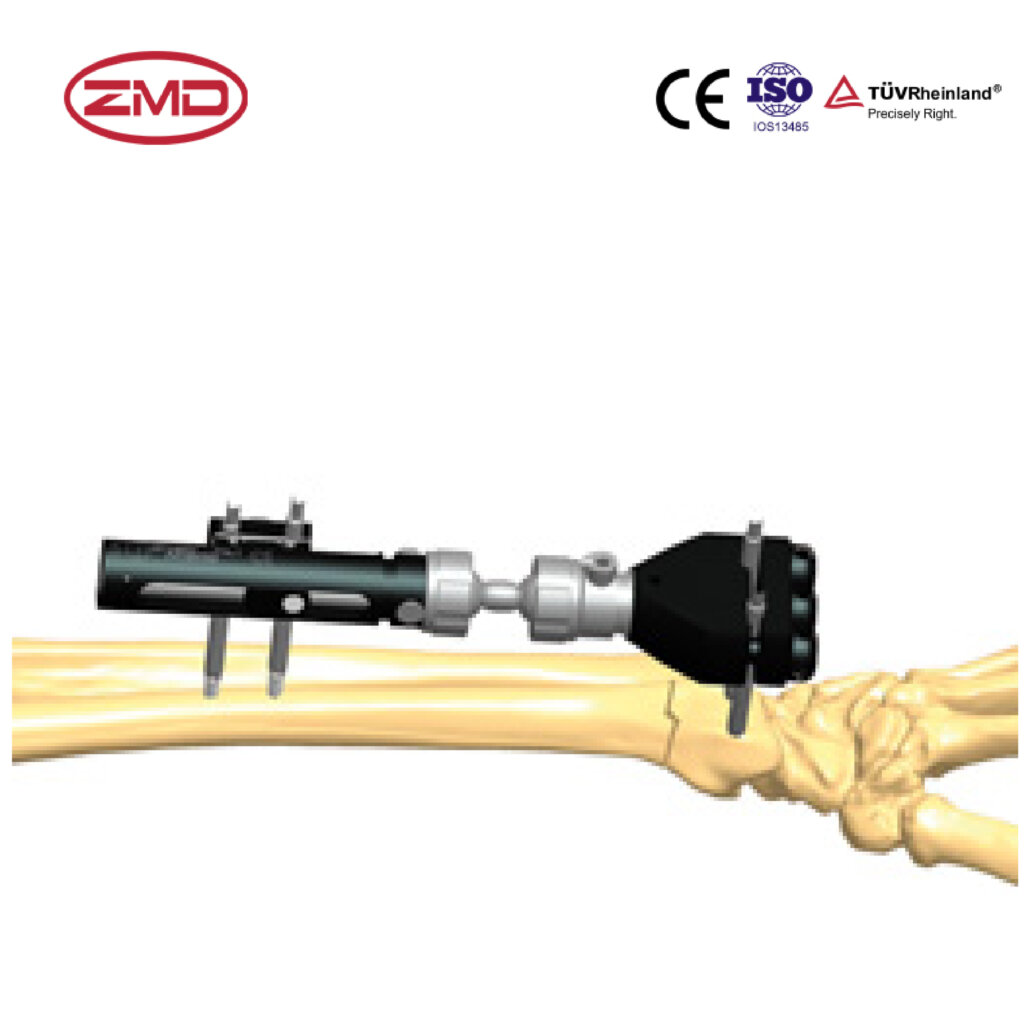
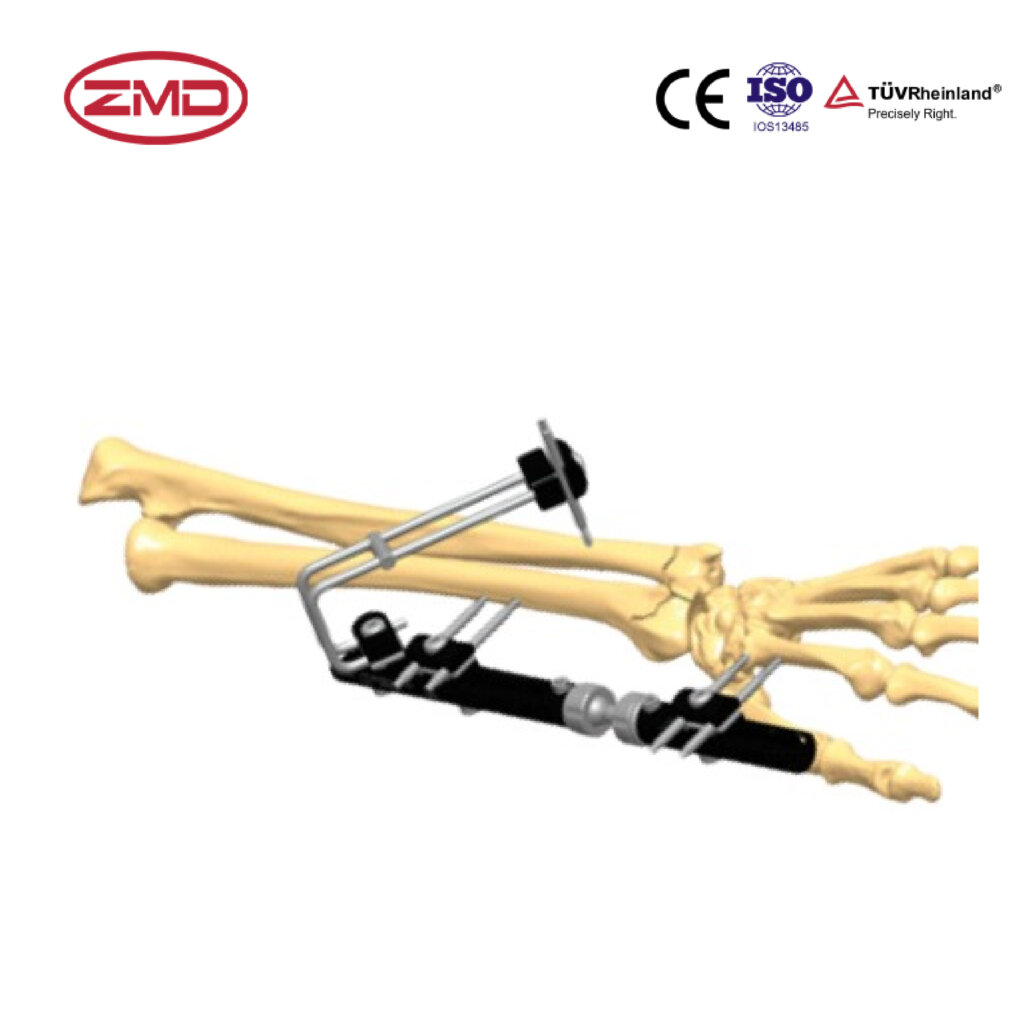
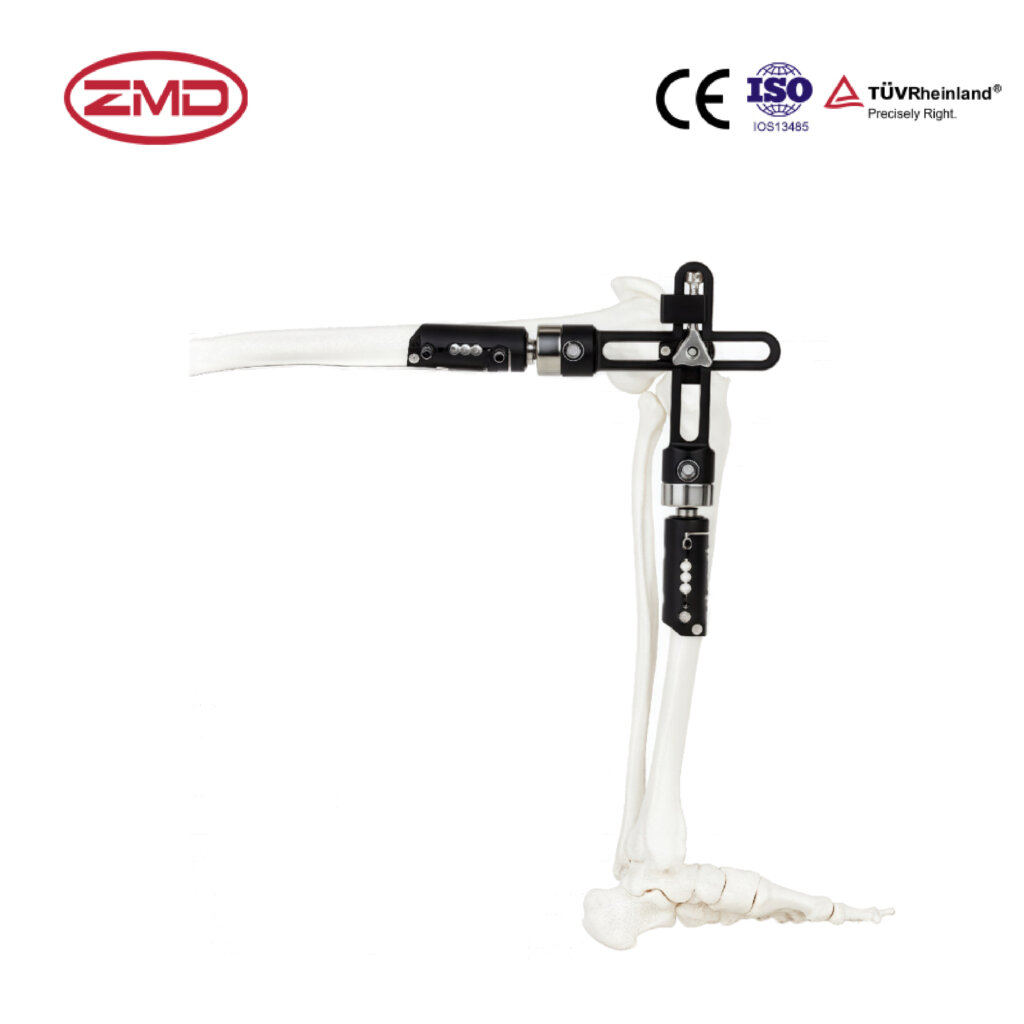
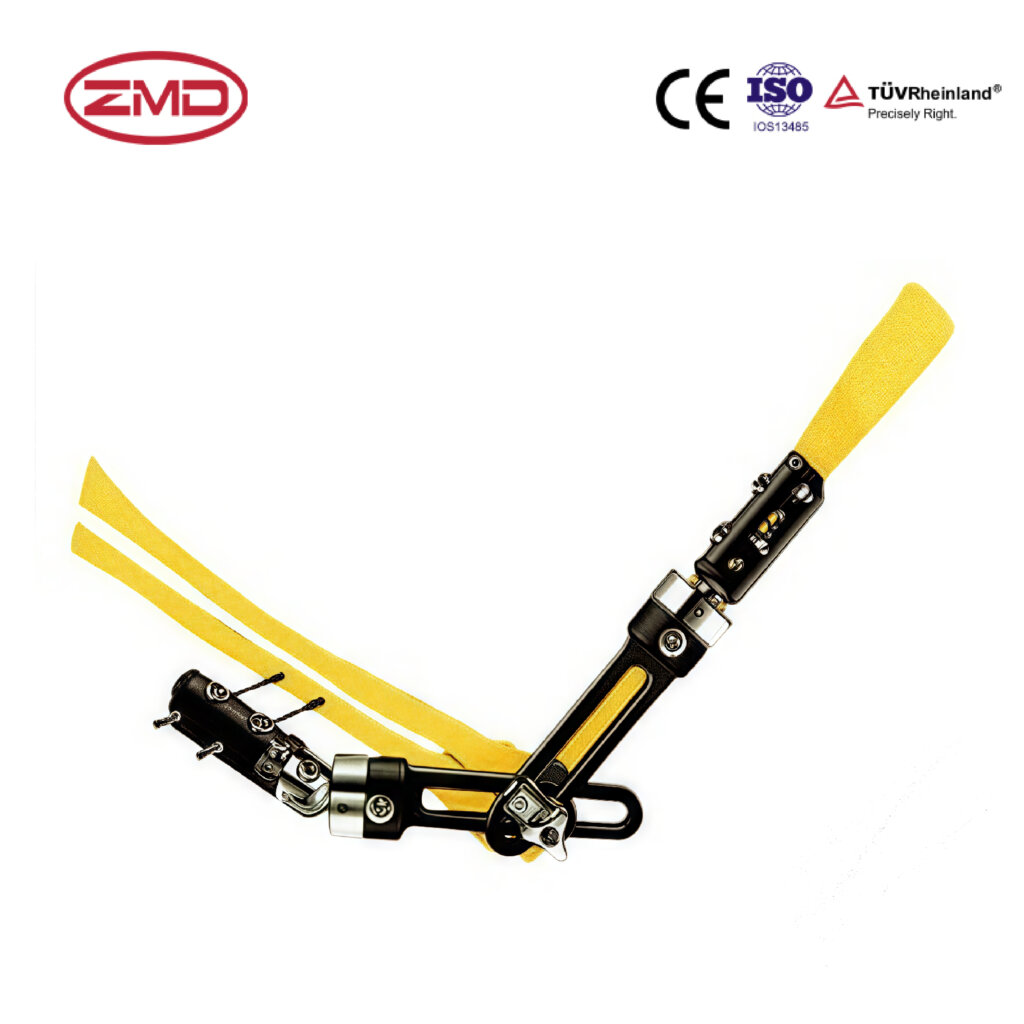
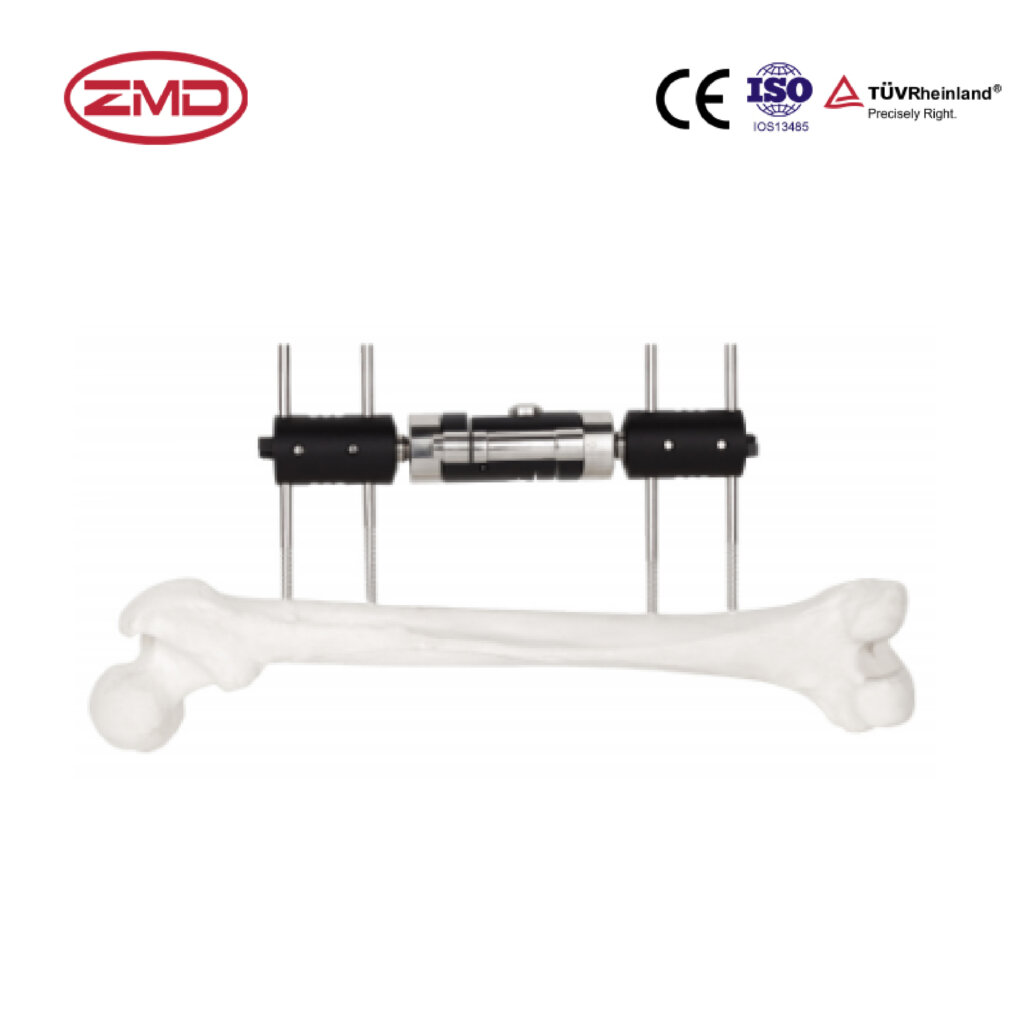
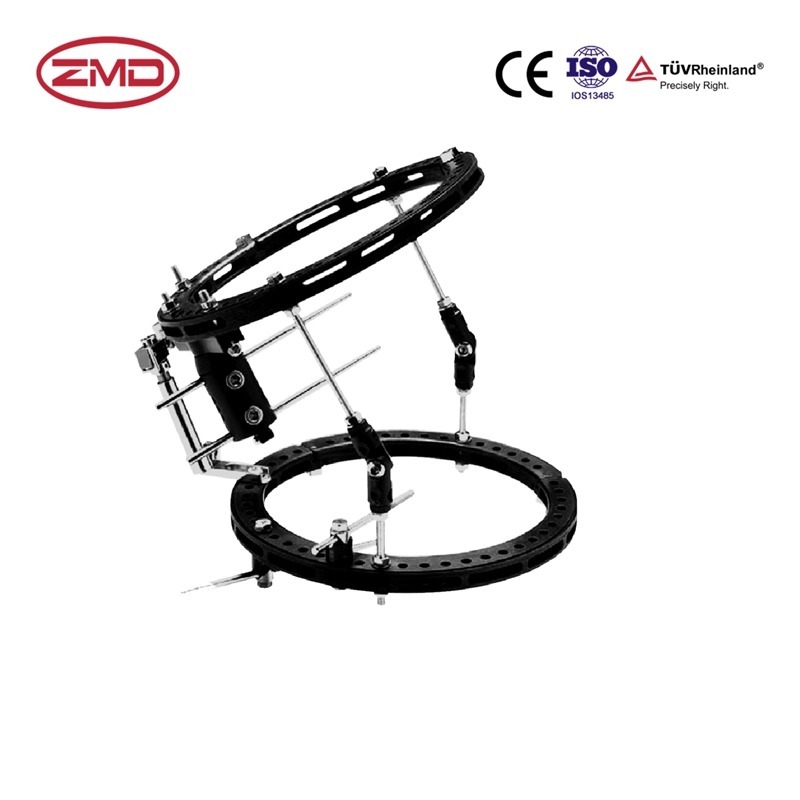
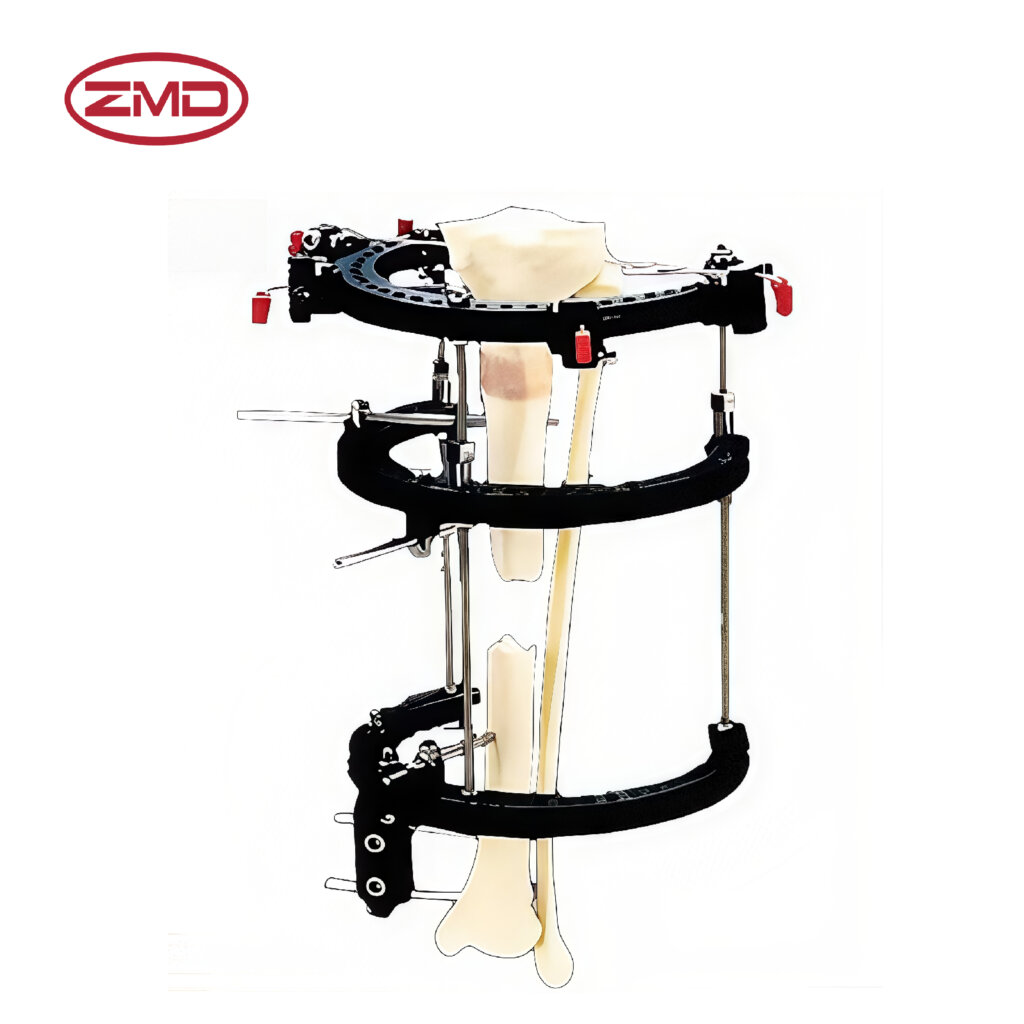
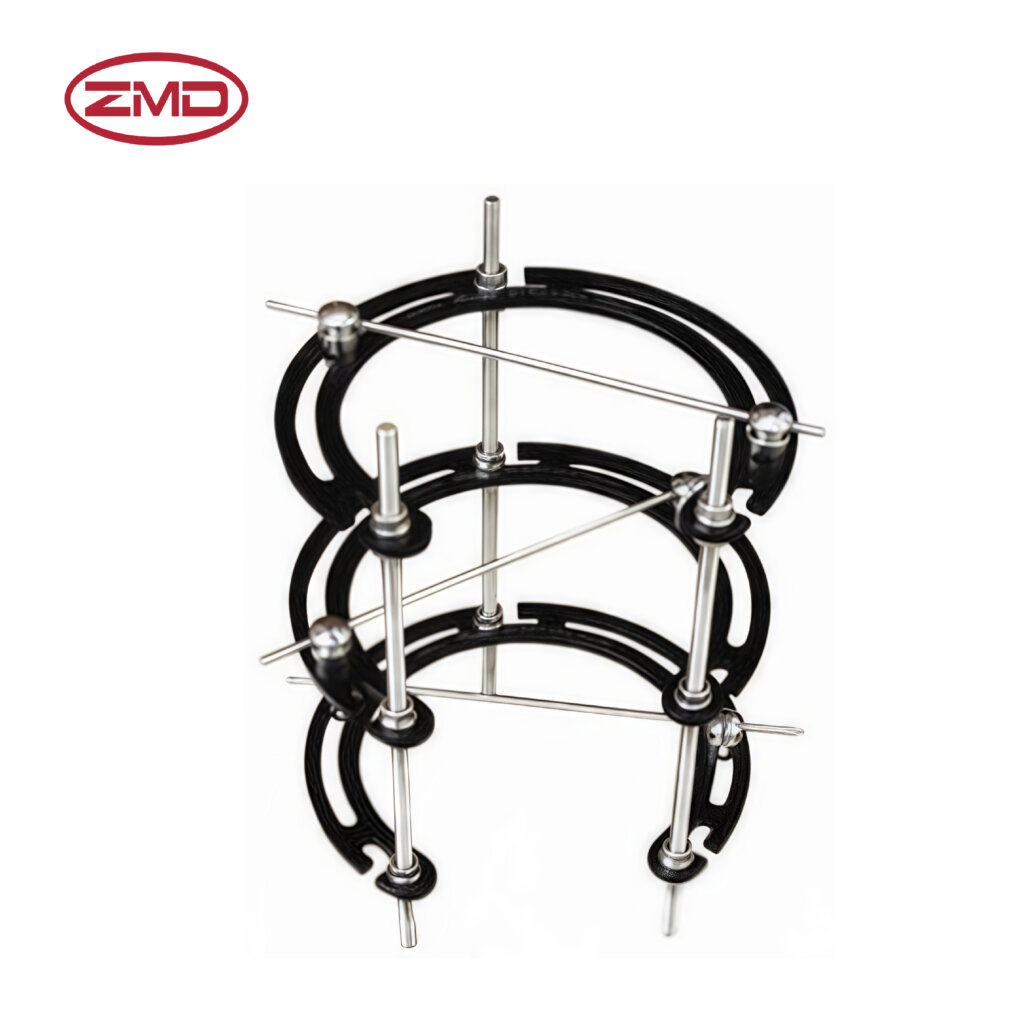
Sheffield Ring Fixator Assembly for Recostruction

Versatile Application

It is applicable to a broad range of reconstructive surgeries, such as limb salvage and joint reconstruction, demonstrating its wide usability in different surgical scenarios.

Modular Design

This design feature permits customization. It can be adjusted to fit various anatomical structures and meet diverse surgical requirements, offering flexibility for different patient cases.

Enhanced Stability

It offers superior stability and support, which plays a crucial role in promoting the best possible healing and facilitating functional recovery for patients.

Precise Adjustment

The fixator components can be precisely adjusted to attain the desired alignment and correction, ensuring accurate positioning during the surgical process and throughout the recovery period.

Durable Construction

Constructed from high-quality biocompatible materials, it guarantees long-term durability and is resistant to wear and tear, enabling reliable performance over an extended period of use.
CODE PRODUCTION DESCRIPTION MATERIAL
ZM003 Sheffield Ring Fixator Assembly for Recostruction Whole set Aluminum

Key Features of the Sheffield Ring Fixator Assembly for Reconstruction

  • Ring-based Architecture: It features a ring design constructed from high-quality, biocompatible medical-grade titanium alloy. This not only ensures durability but also guarantees patient safety. The ring-based structure provides a stable and three-dimensional framework for effective support.
  • Precisely Engineered Connection Points: These connection points are designed with precision to allow for accurate assembly and secure attachment to the bone, ensuring the fixator functions properly during the reconstruction process.

Benefits of the Sheffield Ring Fixator Assembly for Reconstruction

  • Excellent Support: During bone deformity correction or post-trauma restoration in the reconstruction process, it offers outstanding support. This helps maintain the proper alignment of bones, which is crucial for successful reconstruction.
  • Facilitates Graft Integration: If bone grafts are required, the stable fixation provided by the fixator enables the grafts to integrate properly into the existing bone structure, promoting better healing.
  • Allows for Early Mobilization: To some extent, it permits the patient to start moving earlier than with some other fixators. This helps reduce the risk of joint stiffness that can occur with prolonged immobility.
  • Minimizes Impact on Soft Tissues: Its design is such that it lessens the impact on the surrounding soft tissues. This is beneficial as it can enhance the overall success rate of the reconstruction procedure by reducing potential complications related to soft tissue damage.

Indications for Sheffield Ring Fixator Assembly for Reconstruction


  • Complex Bone Deformities: Ideal for both congenital and acquired complex bone deformities, especially those involving long bones such as the femur or tibia. The ring fixator’s stable fixation allows for the gradual correction of alignment during reconstruction, enabling the restoration of proper bone structure and function.
  • Post-Traumatic Bone Damage: In cases where there has been significant loss of bone structure or improper healing due to trauma, this assembly is highly beneficial. It helps in realigning and providing stable support to the bone fragments, facilitating the healing process and improving the chances of a successful recovery.
  • Bone Graft Procedures: Plays a crucial role in bone graft surgeries. It effectively maintains the position of the graft, ensuring that it remains in the correct location for optimal integration with the existing bone. This support is essential for the success of the graft and the overall restoration of bone integrity.
  • Joint-Related Reconstructions: For certain joint-related reconstructions where precise bone alignment is vital for proper joint function, the Sheffield Ring Fixator Assembly provides the necessary stability and support. By maintaining accurate alignment, it helps to optimize joint mechanics and enhance the long-term functionality of the joint.

How Does The Sheffield Ring Fixator Assembly for Reconstruction Work


  1. Positioning and Attachment: During the reconstruction procedure, the Sheffield Ring Fixator Assembly is meticulously placed around the affected bone area. Specialized pins or wires are then inserted through small incisions to attach the fixator to the bone. This precise attachment method ensures a secure connection between the fixator and the bone, providing a stable foundation for the reconstruction process.
  2. Stable 3D Framework: The unique ring structure of the fixator creates a stable three-dimensional framework. This framework holds the bone firmly in the desired position, which is crucial for various reconstruction purposes. Whether it is for correcting bone deformities or facilitating the integration of a bone graft, the stable hold helps maintain the correct alignment and position of the bone throughout the healing process.
  3. Even Force Distribution: One of the key functions of the ring fixator is to evenly distribute the forces acting on the bone. By doing so, it significantly reduces the risk of bone displacement. This is especially important during the healing phase when the bone is in a vulnerable state and any excessive force or displacement could disrupt the reconstruction process and impede proper healing.
  4. Facilitating Natural Healing: As the reconstruction progresses, the Sheffield Ring Fixator Assembly plays a vital role in allowing the body’s natural healing processes to occur effectively. It provides the necessary stability and support for processes such as bone remodeling and graft incorporation. The fixator keeps the bone in an optimal position, enabling the body’s natural mechanisms to repair and regenerate the bone tissue, leading to successful reconstruction.
  5. Adjustable Components: The fixator is equipped with adjustable components that can be modified according to the specific needs of the patient and the progress of the healing process. This adjustability ensures that the fixation remains optimal throughout the entire healing period. Medical professionals can make precise adjustments to the fixator to adapt to any changes in the bone’s position or requirements for fixation, until the reconstructed bone regains its strength and proper structure.
 

Frequently Asked Questions

Q1: What materials is the Sheffield Ring Fixator Assembly made of?

Typically, it's crafted from high-quality medical-grade materials such as titanium alloy. This material is biocompatible, meaning it can coexist safely within the body without causing adverse reactions, and it's also strong enough to endure long-term use, providing reliable support throughout the reconstruction period.

Q2: How is the fixator attached to the bone?

During the surgical procedure for reconstruction, the fixator is attached to the bone by carefully inserting pins or wires into the bone. This attachment method is crucial as it creates a stable connection that allows the fixator to perform its functions effectively during the healing and reconstruction process.

Q3: Can the Sheffield Ring Fixator be adjusted during treatment?

Yes, it incorporates adjustable elements. These allow surgeons to modify the fixator as needed, based on the progress of the bone reconstruction. Such adjustability ensures that the fixator can adapt to changes in the bone's position or requirements during different stages of the healing process.

Q4: What types of reconstruction is it suitable for?

It's suitable for a variety of reconstructions, including bone deformity corrections where the goal is to correct abnormal bone shapes, post-trauma reconstructions to repair bones damaged by injuries, and procedures involving bone grafts where the fixator helps maintain the position of the graft and promotes its integration with the existing bone.

Q5: How long does the fixator usually stay in place?

The length of time the fixator remains in place varies depending on the complexity of the reconstruction. In general, it can range from several weeks for less complex cases to several months for more intricate reconstructions that require a longer healing period.

Q6: Does the fixator cause much pain to the patient?

There might be some initial discomfort due to the presence of the fixator and the surgical procedure itself. However, its design takes into account minimizing pain, ensuring that patients experience as little discomfort as possible during the entire reconstruction process.

Q7: Can it be used for both adults and children?

Yes, it can be used for both age groups. Nevertheless, the size and specific design of the fixator may need to be adjusted to suit the patient's age and bone size. This customization ensures that it provides appropriate support and fits properly for optimal results in different patients.

Q8: What are the potential risks associated with using this fixator?

There are several potential risks. Infection can occur at the attachment sites or within the body where the fixator is in contact with tissues. Loosening of the attachment elements, like pins or wires, might happen over time, which could affect the stability of the fixator. Additionally, there could be problems with bone healing, such as delayed union or improper alignment if certain aspects of the reconstruction don't progress as expected.

Q9: How does the ring design help in the reconstruction process?

The ring design offers stable and even-force fixation. This means it can hold the bone in the correct position firmly and distribute forces evenly across the bone surface. Such stability and even force distribution are essential for maintaining proper bone alignment and facilitating the natural healing processes that lead to successful reconstruction.

Q10: Is there special post-operative care for patients with this fixator?

Yes, patients usually need to attend regular check-ups so that medical professionals can monitor the progress of the reconstruction, check for any potential issues like infection or loosening of the fixator. They may also have activity restrictions to prevent excessive stress on the fixator and the healing bone. Additionally, specific wound care instructions are provided to keep the surgical area clean and promote proper healing.
Related Articles

Request A Free Quote

Oh yeah! I have to mention their payment options and discount offers, which are awesome! Those payment methods are as flexible as moving water and can be chosen freely according to our cash flow situation. And the frequent discounts, like a timely rain, have been moisturizing our financial statements time and again, and have had a rocket-like positive impact on our profits! With ZMD, I feel relaxed and at ease when it comes to purchasing!

We'd like to work with you

Send us a message if you have any questions or request a quote. Our experts will give you a reply within 24 hours and help you select the right valve you want.

We have an exclusive service of medical products for you, please leave your details and we will contact you as soon as possible.