

+86-0512-6913892

Phone line

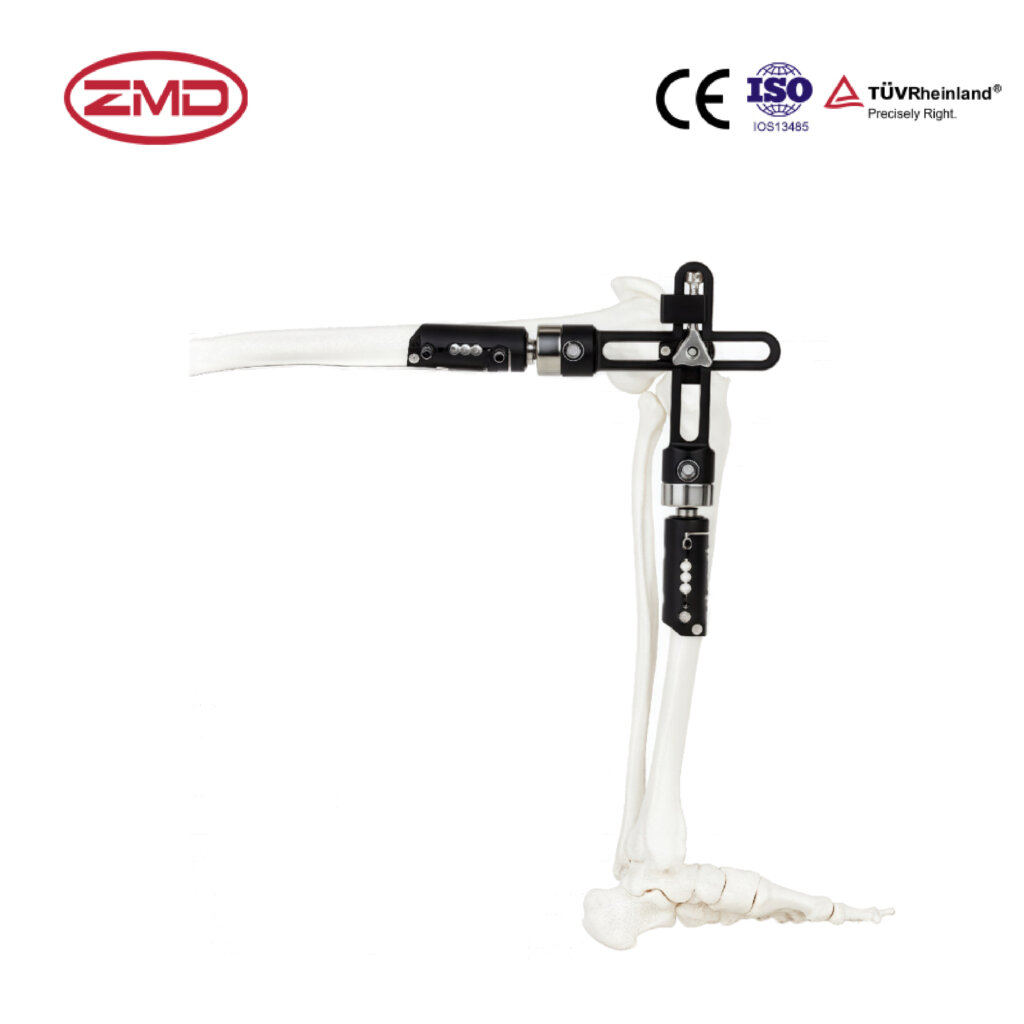
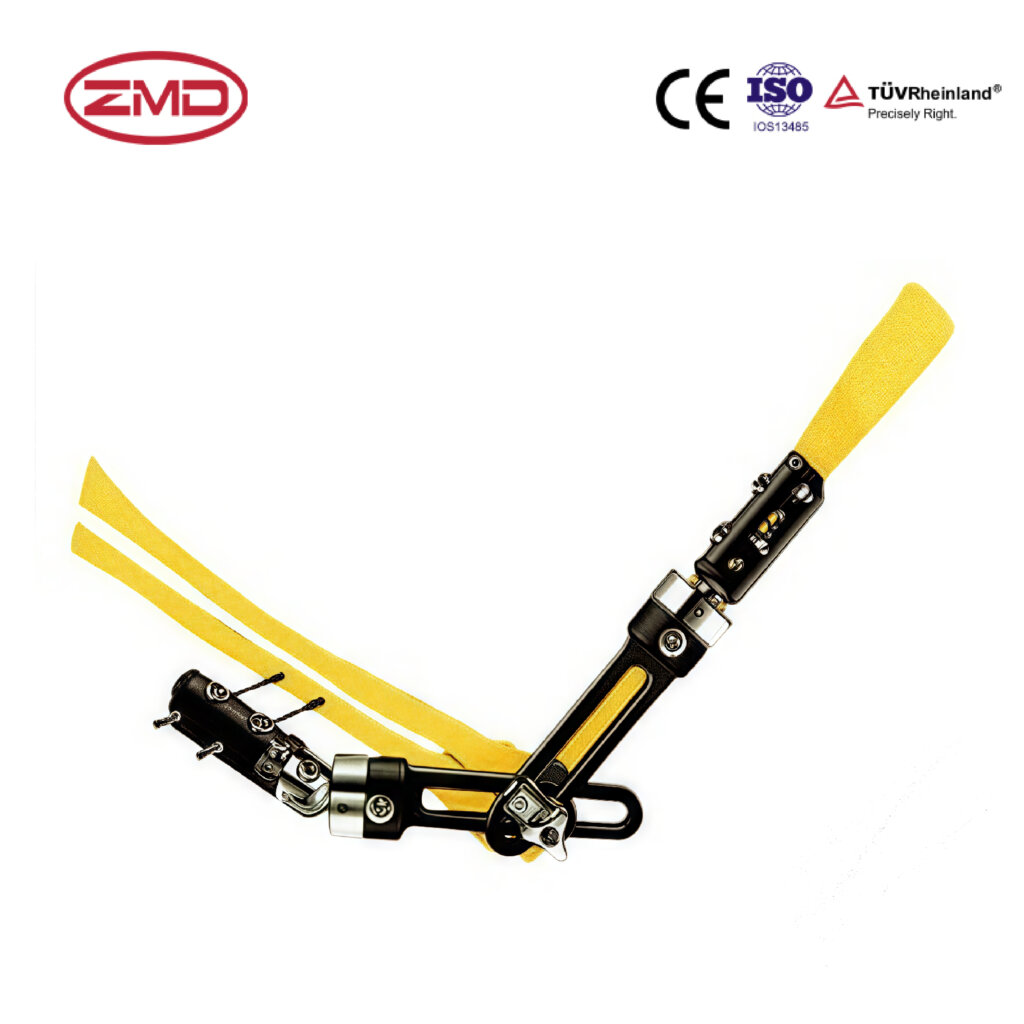
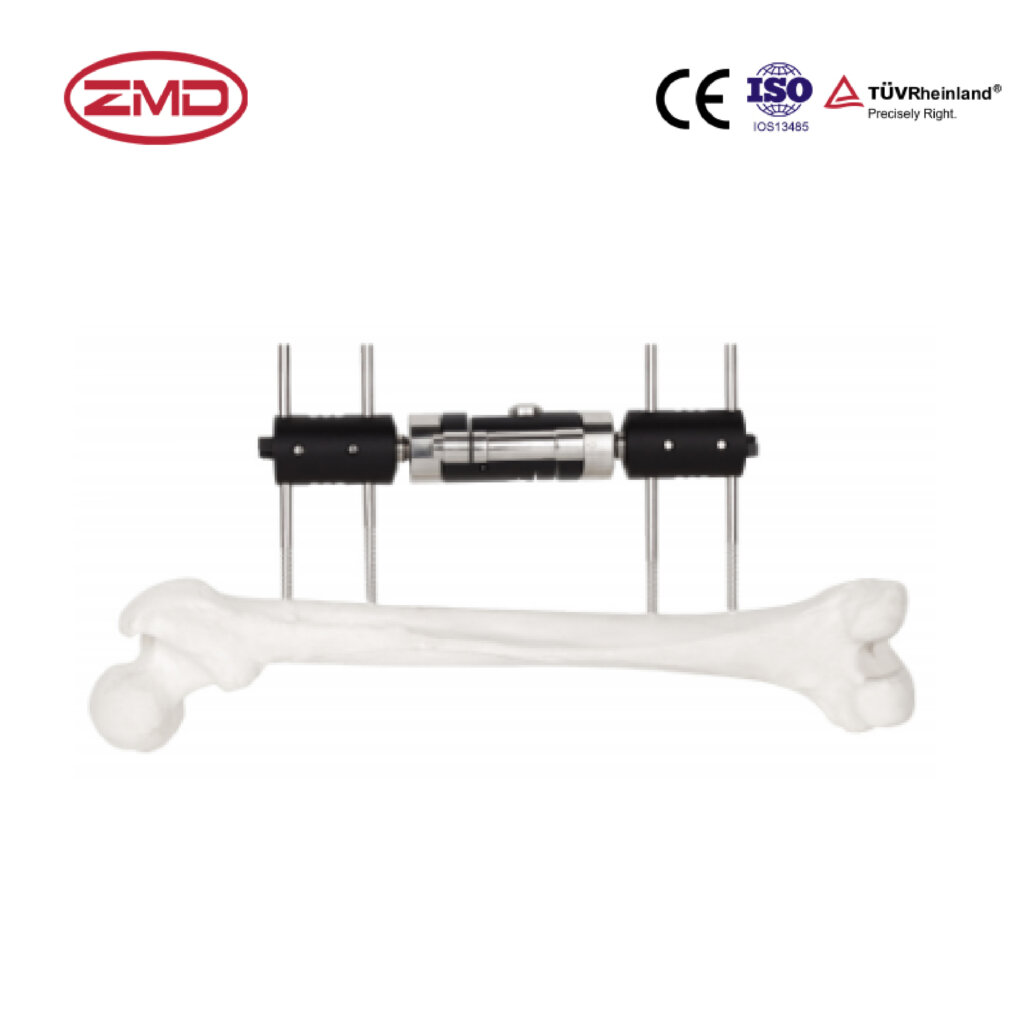
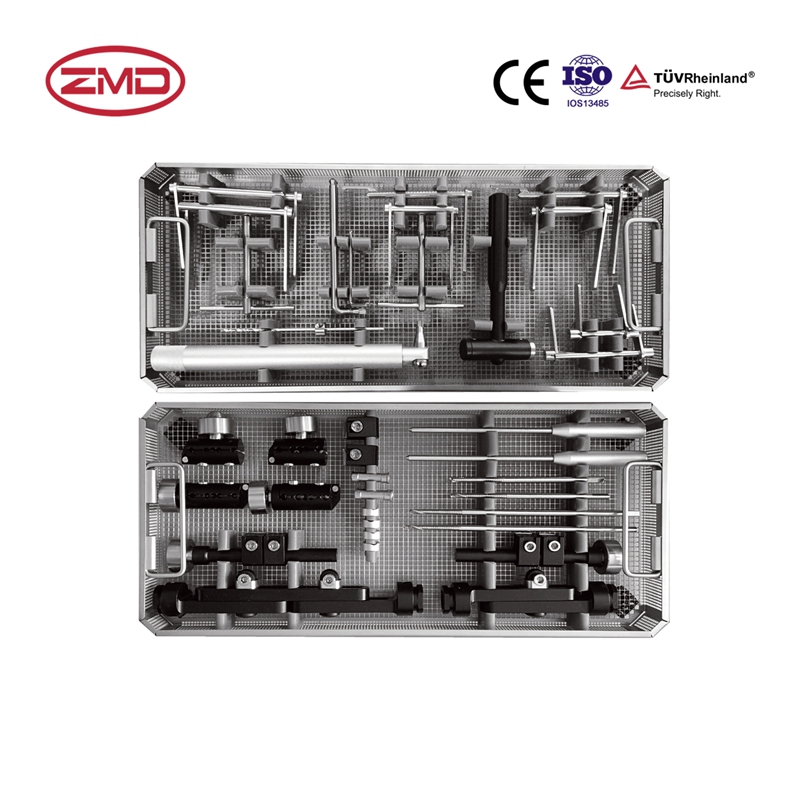
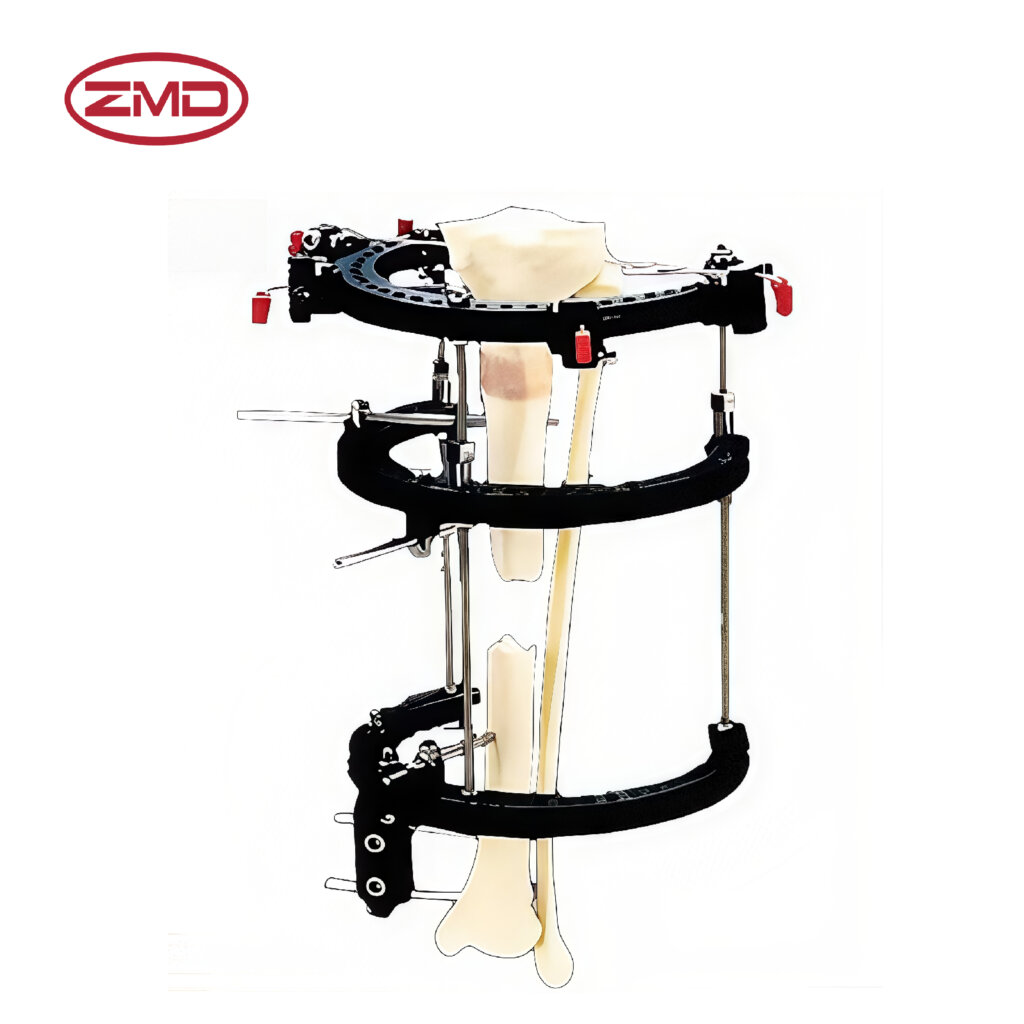
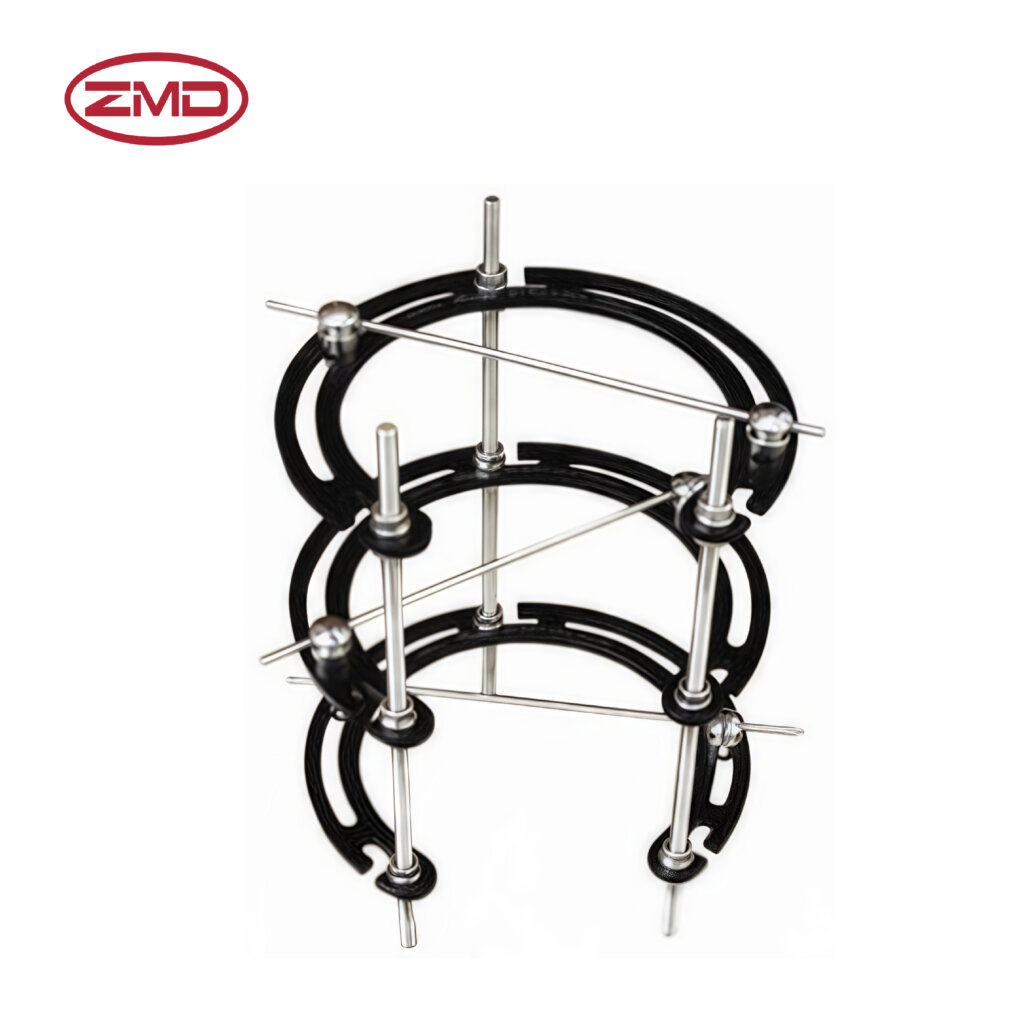
Pelvic Long Fixator with Straight Clamp

  1. Pelvic Focus: Specifically designed for pelvic injuries.
  2. Straight Clamp: Ensures stable fixation.
  3. Durable Material: Long-lasting and reliable.
  4. Easy to Use: Simple for medical professionals.
  5. Accurate Fixation: Helps in proper healing.
CODEPRODUCTIONDESCRIPTIONMATERIAL
ZG002Pelvic Long Fixator with Straight ClampWhole setAluminum


CODEPRODUCTIONDESCRIPTIONMATERIAL
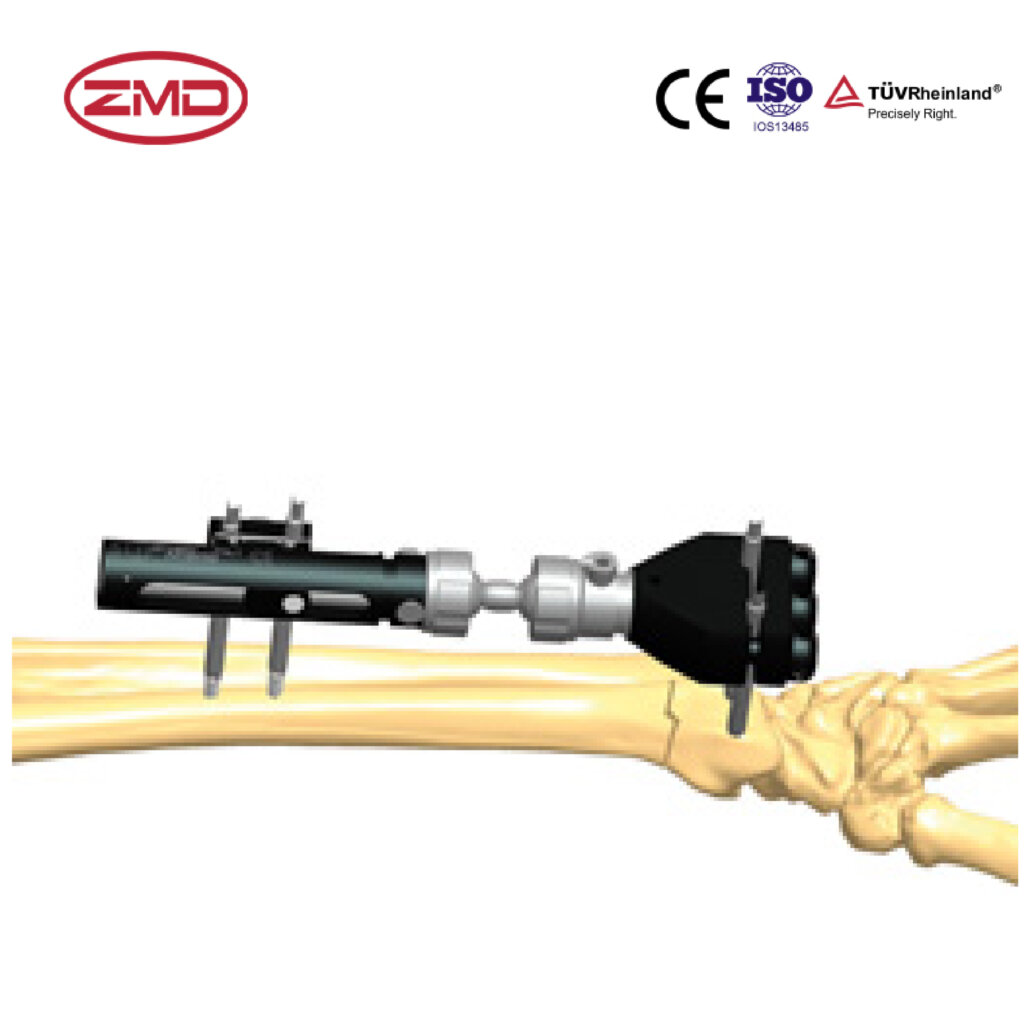
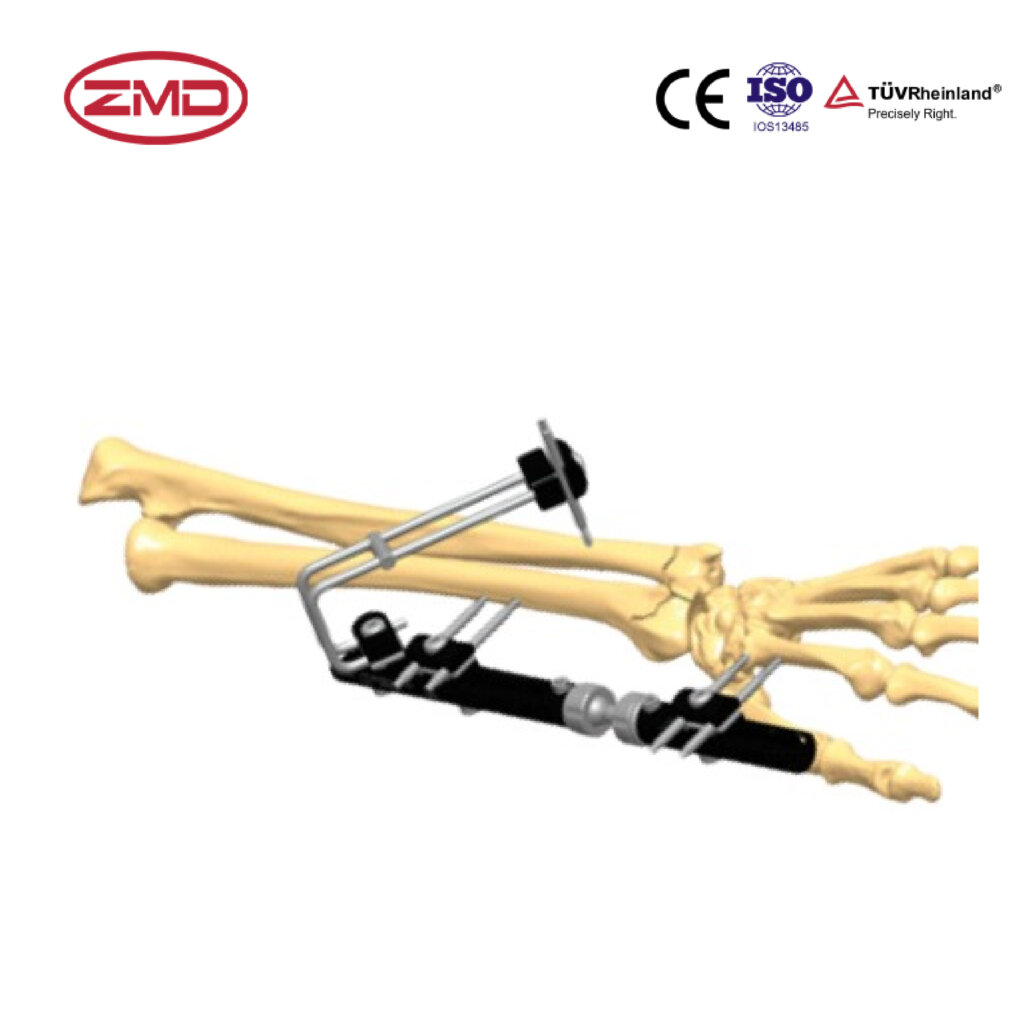
ZI106Pennig Dynamic Wrist Fixator-T-Clamp/Aluminum


Key Features and Benefits of the Pelvic Long Fixator with Straight Clamp

Key Features

  • Straight Clamp for Stable Fixation: The incorporation of a straight clamp is a significant feature of this device. The straight clamp is designed to offer a secure and stable hold on the pelvic bones. Its design ensures that it can firmly grip the relevant parts of the pelvis, preventing any unwanted movement. Unlike some other fixation methods that might allow for slight shifts or rotations, the straight clamp provides a consistent and steady fixation. For example, in cases of pelvic fractures where maintaining the correct alignment of bone fragments is crucial, the straight clamp holds them precisely in place, creating an optimal environment for the bones to heal.
  • High-Quality Materials for Durability: Constructed from high-quality materials, this pelvic fixator is built to last. Materials such as medical-grade stainless steel or titanium alloys are often used, which possess excellent strength and resistance to corrosion. These properties are essential as the fixator remains inside the body for an extended period during the healing process. The durable materials ensure that the device can withstand the forces exerted by the body’s movements and the natural stresses associated with bone healing without deforming or failing, thus providing reliable support throughout the treatment.
  • Ease of Application and Adjustability: The Pelvic Long Fixator with Straight Clamp is designed with user-friendliness in mind. Medical professionals can apply it relatively easily during surgical procedures. Moreover, it offers the advantage of adjustability. Depending on the specific needs of the patient’s pelvic injury and the progress of healing, the fixator can be adjusted as necessary. For instance, if there is a need to slightly modify the tension or position of the clamp to better accommodate changes in the pelvic structure during the recovery phase, this can be done without significant complications, allowing for personalized treatment.

Benefits

  • Effective Immobilization for Healing: One of the primary benefits is its ability to effectively immobilize the pelvis. By firmly fixing the pelvic bones in place, it minimizes movement that could disrupt the healing process. This is especially important in complex pelvic injuries where proper alignment and stability are key factors for successful bone regeneration. When the pelvis is kept still, the body’s natural healing mechanisms can work more efficiently, promoting the formation of new bone tissue and ensuring that the bones heal in the correct position, reducing the risk of long-term deformities or functional impairments.
  • Pain Reduction: The stable fixation provided by the device helps in reducing pain for the patient. Unstable pelvic injuries can cause significant discomfort due to the bones moving and irritating surrounding tissues, nerves, and blood vessels. By immobilizing the pelvis and preventing these painful movements, the fixator alleviates the source of much of the pain. Patients can experience a more comfortable recovery period, which also encourages them to comply with post-operative care instructions and rehabilitation regimens.
  • Risk Reduction of Further Damage: Keeping the pelvis securely fixed minimizes the risk of further damage to the already injured area. Any additional movement or misalignment of the pelvic bones could lead to complications such as worsening of the fracture, damage to nearby organs, or interference with blood supply to the healing bones. The Pelvic Long Fixator with Straight Clamp acts as a safeguard, protecting the injured pelvis from these potential risks and ensuring a smoother healing process overall.
  • Essential for Complex Pelvic Injuries: Overall, this device proves to be an essential tool in the treatment of complex pelvic injuries. Whether it’s dealing with multiple fractures, severe trauma-induced instability, or other challenging pelvic conditions, its combination of stable fixation, durability, and ease of use makes it a valuable asset for medical professionals. It helps to improve the prognosis for patients with such injuries, increasing the likelihood of a successful recovery and restoration of normal pelvic function

Indications for Pelvic Long Fixator with Straight Clamp

  1. Severe Pelvic Fractures
    • In cases where the pelvis has suffered a major fracture, such as a comminuted fracture (where the bone is broken into multiple fragments), the Pelvic Long Fixator with Straight Clamp is highly indicated. The straight clamp provides the necessary force to hold the fragmented bones together in the correct anatomical position. For example, in a motor vehicle accident where the pelvis is crushed, the fixator can be used to realign and immobilize the bone fragments, allowing for proper healing. This is crucial because misaligned bone fragments can lead to improper healing, chronic pain, and functional limitations.
  2. Pelvic Instability
    • When the pelvis is unstable due to ligament tears, congenital disorders, or other factors that affect its structural integrity, this fixator can be a life – saving device. The straight clamp offers stability by firmly gripping the relevant pelvic structures. For instance, in patients with pelvic instability caused by a sports – related injury that has damaged the ligaments supporting the pelvis, the fixator can prevent further displacement and provide the support needed for the ligaments to heal and the pelvis to regain its stability.
  3. High – Energy Trauma Cases
    • High – energy trauma, such as falls from a great height or severe crush injuries, often result in significant damage to the pelvis. The Pelvic Long Fixator with Straight Clamp is designed to address such complex and severe injuries. It helps to hold the pelvic bones in place during the critical initial healing period. In these cases, the body’s natural healing mechanisms need a stable environment to function properly. The fixator provides this stability, reducing the risk of complications like bleeding from damaged blood vessels (due to bone movement) and internal organ damage that can occur as a result of an unstable pelvis.
  4. Complex Pelvic Injuries in Orthopedic Surgeries
    • In orthopedic surgeries that focus on complex pelvic injuries, this fixator is an essential tool. It allows surgeons to manipulate and position the pelvic bones accurately and then maintain that position throughout the healing process. For example, during reconstructive pelvic surgery for a congenital deformity or after tumor resection in the pelvic area, the fixator with its straight clamp provides the necessary support to ensure that the reconstructed pelvis heals in the desired configuration. Overall, it is a crucial device for treating the full spectrum of severe pelvic trauma and ensuring the best possible outcome for patients

How Does The Pelvic Long Fixator with Straight Clamp Work

  1. Surgical Placement and Positioning
    • The first step in using the Pelvic Long Fixator with Straight Clamp is its surgical placement around the injured area of the pelvis. Surgeons carefully assess the extent and nature of the pelvic injury through preoperative imaging such as X – rays, CT scans, or MRIs. Based on this information, they position the fixator to target the specific bones or regions that require stabilization. The length and design of the fixator are such that it can cover the relevant parts of the pelvis effectively. The process requires precision to ensure that the fixator is placed in a way that will provide the most beneficial support for the healing process.
  2. Attachment of the Straight Clamp
    • The straight clamp is then attached to the pelvic bones. This attachment is a crucial step as it is what provides the stability. The clamp is designed to exert a controlled amount of pressure on the bones. Surgeons use appropriate surgical techniques to secure the clamp in place. The clamp’s jaws are carefully positioned to grip the pelvic bones firmly. The contact points between the clamp and the bones are designed to distribute the force evenly, minimizing the risk of damage to the bone surface. This even distribution of force helps to hold the bones in a stable position and prevents any unwanted movement.
  3. Stabilization and Prevention of Further Damage
    • Once the clamp is attached, it holds the pelvic bones firmly in place. This is of utmost importance, especially in cases of severe fractures or instabilities. By immobilizing the bones, the fixator prevents any further displacement or damage to the injured area. For example, in a pelvic fracture, any movement of the bone fragments can lead to additional trauma to the surrounding soft tissues, blood vessels, and nerves. The fixator’s stability also reduces the risk of internal bleeding, which can be a serious complication in pelvic injuries. It creates a stable environment that allows the body’s natural healing mechanisms to take over.
  4. Promotion of Proper Alignment and Healing
    • The Pelvic Long Fixator with Straight Clamp plays a key role in ensuring the proper alignment of the pelvic structure. In cases of fractures, the clamp helps to realign the bone fragments to their correct anatomical positions. This alignment is essential for proper bone healing. When the bones are in the correct position, new bone tissue can form more effectively, leading to a better – quality union. The fixator maintains this alignment throughout the healing process, which can range from several weeks to months depending on the severity of the injury. It provides the necessary support for the bones to heal in a way that restores the normal function of the pelvis as much as possible.
  5. Support during the Healing Process
    • As the body heals, the fixator remains in place to ensure continued stability. The pelvis is a weight – bearing structure, and even during the healing process, it is subjected to some degree of stress from normal body movements such as sitting, standing, or limited walking (depending on the patient’s condition and the doctor’s advice). The fixator with its straight clamp absorbs and distributes these forces, protecting the healing bones. It acts as a safeguard, allowing the healing process to progress without interruption due to external forces or movement of the bones.
  6. Removal after Healing
    • Once the healing process is complete, as determined by the medical team through a combination of physical examination, imaging studies, and assessment of the patient’s symptoms, the fixator can be removed. The removal is usually a surgical procedure, although it is generally less complex than the initial implantation. Surgeons carefully detach the fixator and the straight clamp from the pelvic bones, taking care to avoid any damage to the newly healed bone or surrounding tissues. After removal, the patient may require rehabilitation to regain full strength and function of the pelvis. The use of this fixator throughout the healing process is a crucial part of the treatment for severe pelvic fractures and instabilities, significantly improving the chances of a successful recovery

Frequently Asked Questions

Q1: What is it made of?

A:
The Pelvic Long Fixator with Straight Clamp is typically constructed from medical - grade materials. These materials are carefully chosen to ensure both durability and biocompatibility. Durability is essential as the fixator must withstand the forces exerted during the healing process and normal body movements. Biocompatibility means that the body's immune system is less likely to react negatively to the fixator, reducing the risk of complications such as infection or rejection. Commonly used materials may include high - quality stainless steel or titanium alloys, which have excellent mechanical properties and are well - tolerated by the body

Q2: How effective is it in stabilizing pelvic injuries?

A:
It provides strong and stable fixation. The straight clamp design allows it to grip the pelvic bones firmly, preventing any significant movement. In cases of pelvic fractures, it holds the bone fragments in the correct position, minimizing the risk of misalignment during the healing process. This stability is crucial for proper bone healing and reducing the chances of further damage to the pelvis or surrounding tissues. It creates a controlled environment that enables the body's natural healing mechanisms to function optimally.

Q3: Is it easy to apply?

A:
The fixator is designed to be user - friendly for medical professionals. The design and components are engineered to simplify the application process during surgery. However, like any medical device, its application requires a certain level of skill and knowledge. The ease of use also depends on the experience and training of the medical staff using it.

Q4: Can it be adjusted?

A:
Some models may have adjustable features. These adjustments can be beneficial during the initial application to ensure a proper fit around the pelvis or during the healing process if necessary. For example, the tension of the straight clamp or the position of the fixator might be adjustable in some cases. However, any adjustments would be carefully carried out by medical professionals to avoid disrupting the healing process or causing harm to the patient

Q5: Does it come in different sizes?

A:
It may be available in various sizes to fit different patients. The size of the fixator is an important consideration as the pelvis varies in size and shape among individuals. Medical staff can select the most appropriate size based on pre - operative assessments such as X - rays or CT scans that show the size and structure of the patient's pelvis. This ensures that the fixator provides effective support and fixation regardless of the patient's body dimensions.

Q6: How long does it need to stay in place?

A:
The duration it needs to stay in place depends on the severity of the injury and the progress of the healing process. In less severe cases, it may be removed after a few weeks, while in more complex or severe pelvic injuries, it could remain in place for several months. The medical team monitors the patient's healing through regular check - ups, including physical examinations and imaging studies, to determine the appropriate time for removal.

Q7: Can it be removed easily?

A:
Removal is usually done by a medical professional. While the process is generally less complex than the initial implantation, it still requires surgical expertise. The medical team carefully detaches the fixator and the straight clamp from the pelvic bones, taking precautions to avoid damage to the newly healed bone or surrounding tissues. After removal, the patient may need to follow a rehabilitation program to regain full function of the pelvis.

Q8: What procedures is it used in?

A:
It is used in pelvic fracture fixation surgeries. It is also valuable in procedures for pelvic instability, such as those caused by ligament damage or congenital disorders. In these surgeries, the fixator helps to stabilize the pelvis, allowing for proper healing and restoration of normal pelvic function.

Q9: How comfortable is it for the patient?

A:
The fixator is designed to minimize discomfort while providing fixation. The straight clamp is designed to apply the necessary force to stabilize the pelvis without causing excessive pressure or irritation to the bones or surrounding tissues. However, some level of discomfort may still be experienced due to the presence of a foreign object in the body. The medical team usually takes steps to manage any discomfort through appropriate pain management strategies and patient education.

Q10: Does it require special training to use?

A:
Some training may be beneficial for the proper application of the Pelvic Long Fixator with Straight Clamp. Medical professionals need to understand its features, such as the operation of the straight clamp and the correct positioning around the pelvis. Training programs typically cover the surgical techniques for implantation, adjustment, and removal of the fixator, as well as knowledge about the biomechanics of pelvic fixation to ensure safe and effective treatment.
Related Articles

Request A Free Quote

Oh yeah! I have to mention their payment options and discount offers, which are awesome! Those payment methods are as flexible as moving water and can be chosen freely according to our cash flow situation. And the frequent discounts, like a timely rain, have been moisturizing our financial statements time and again, and have had a rocket-like positive impact on our profits! With ZMD, I feel relaxed and at ease when it comes to purchasing!

We'd like to work with you

Send us a message if you have any questions or request a quote. Our experts will give you a reply within 24 hours and help you select the right valve you want.

We have an exclusive service of medical products for you, please leave your details and we will contact you as soon as possible.