

+86-0512-6913892

Phone line

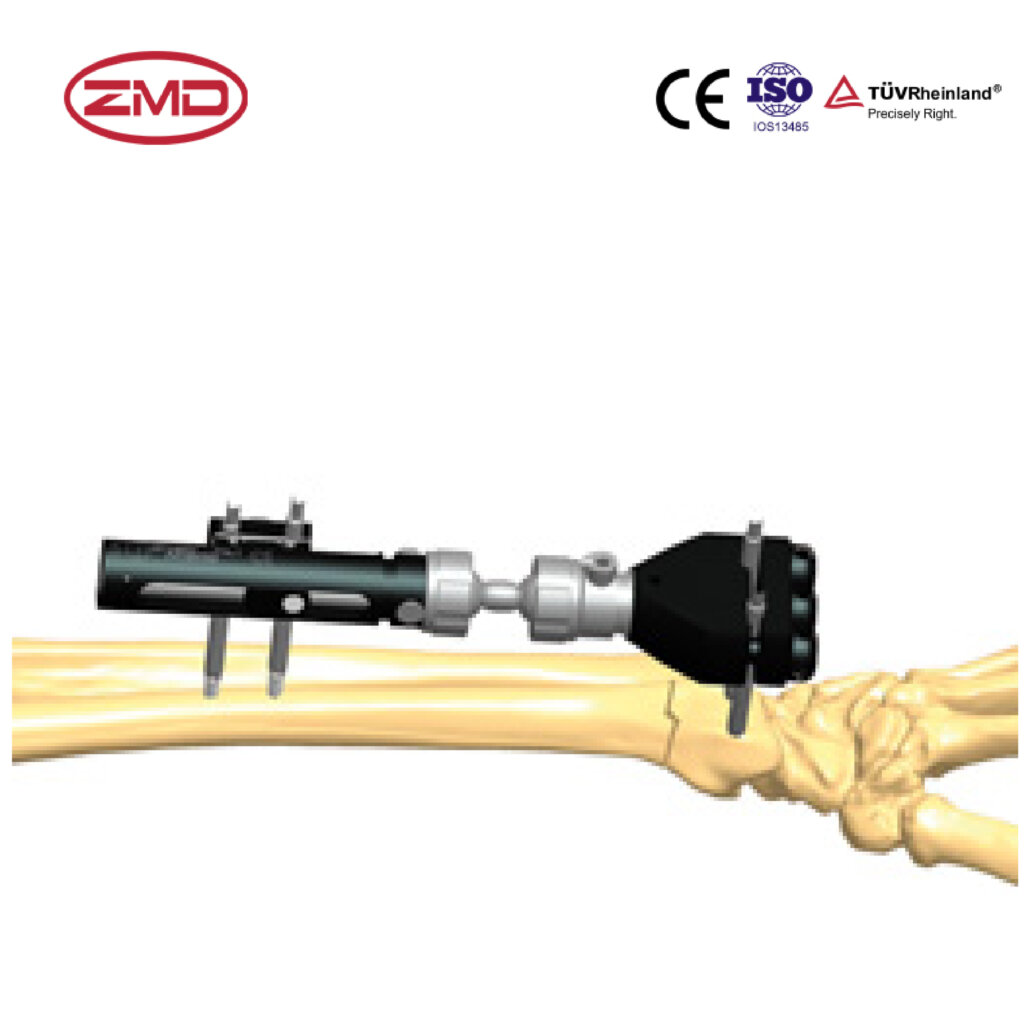
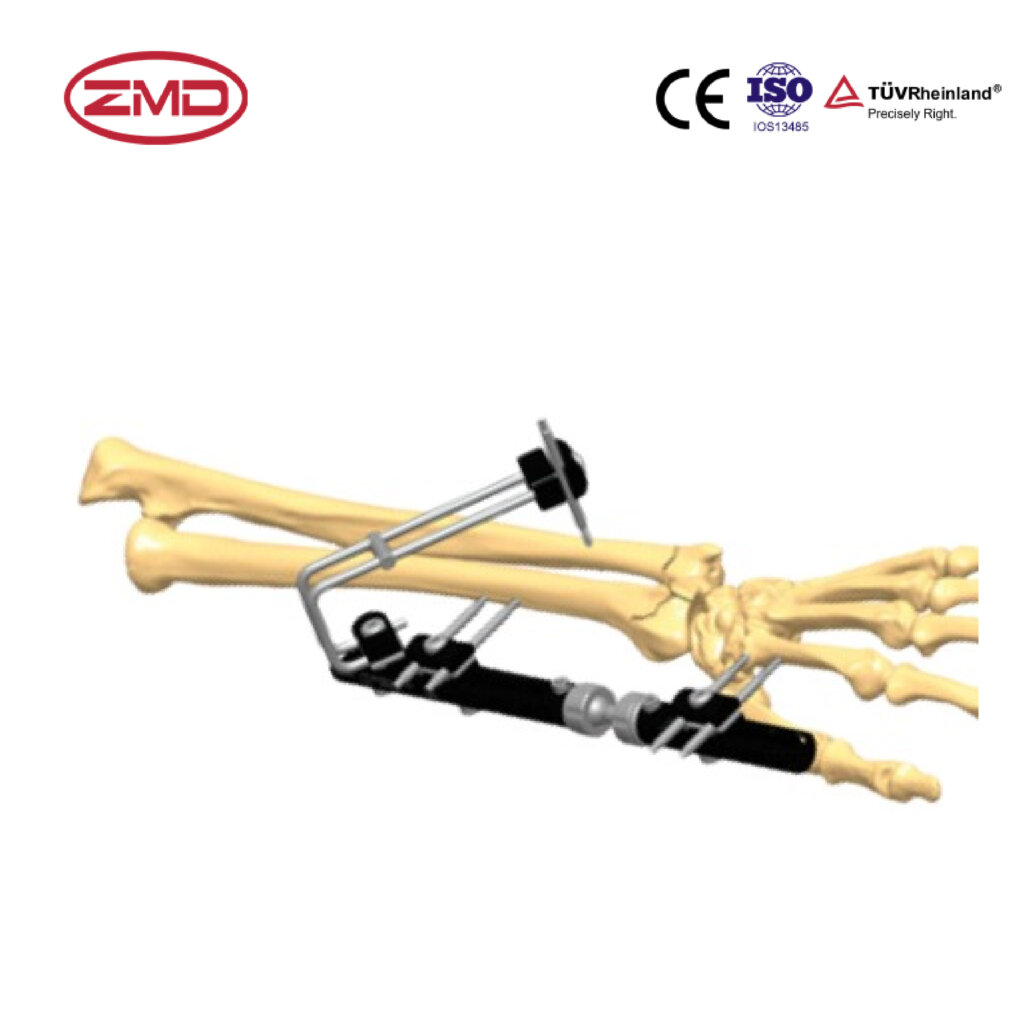
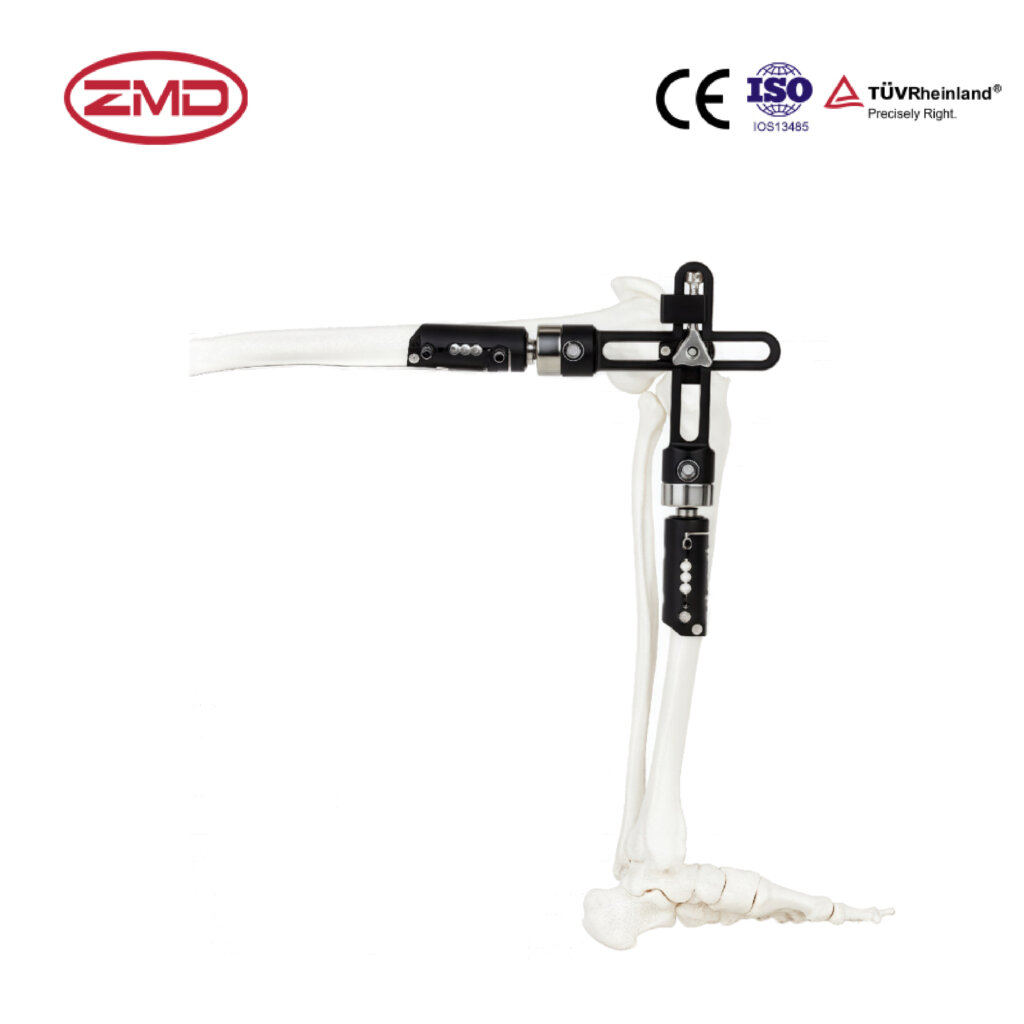
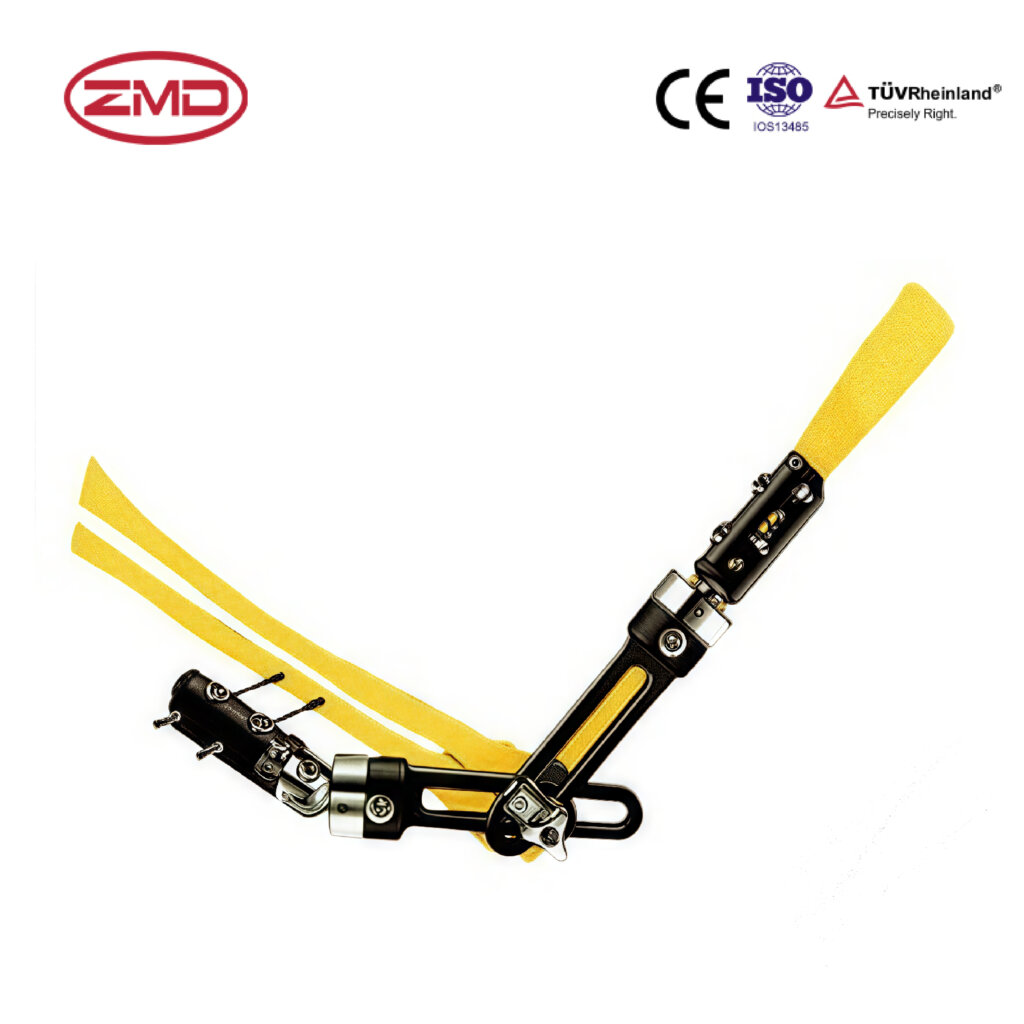
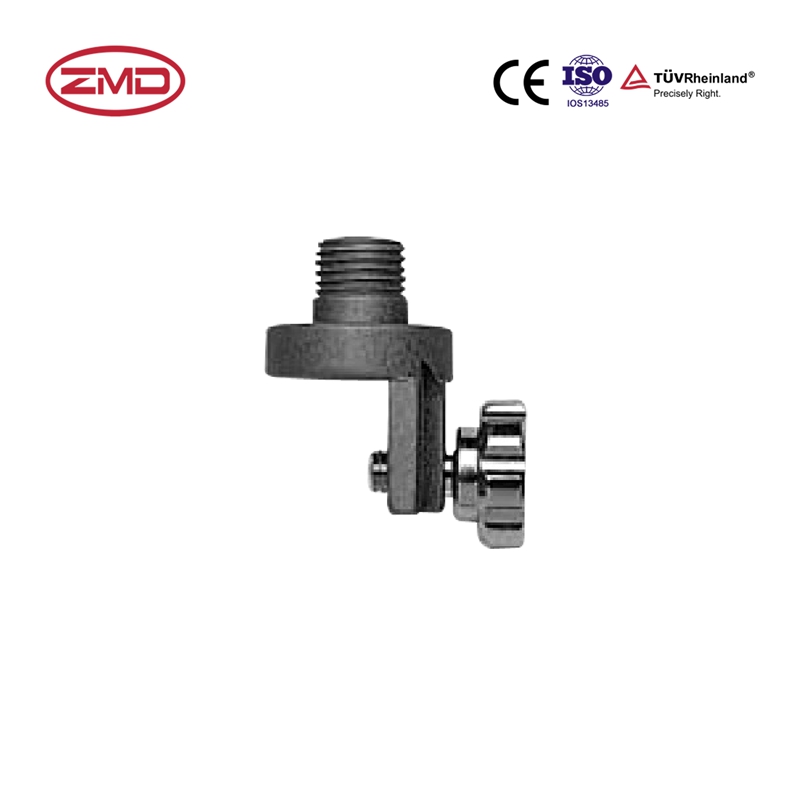
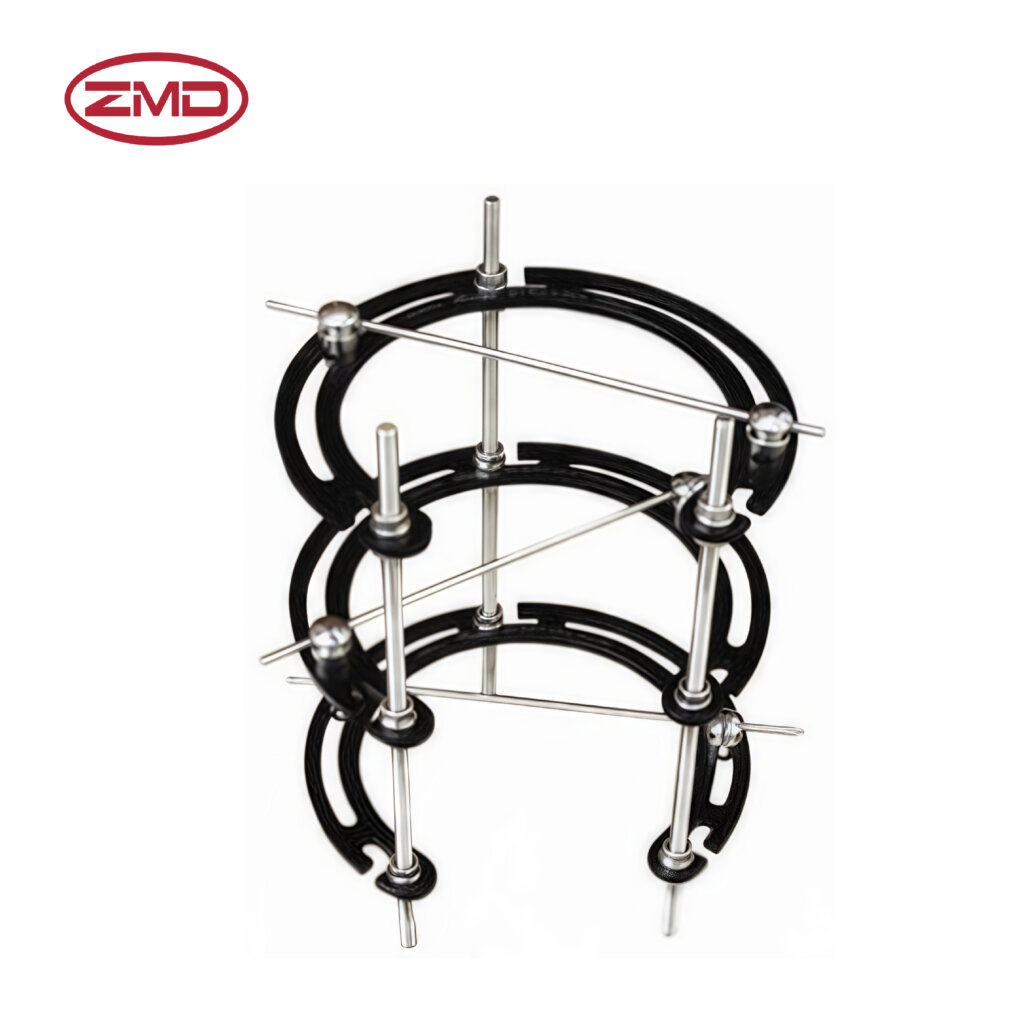
Peadistric L.R.S. Ball-Joint Coulping Template

  1. Pediatric Focus: Specifically designed for pediatric cases.
  2. Ball-Joint Design: Offers flexibility and stability.
  3. Durable Material: Long-lasting and reliable.
  4. Easy to Use: Simple for medical professionals.
  5. Precise Template: Ensures accurate coupling
CODEPRODUCTIONDESCRIPTIONMATERIAL
ZF204Peadistric L.R.S. Ball-Joint Coulping Template/Aluminum


Key Features and Benefits of the Pediatric L.R.S. Ball – Joint Coupling Template

Key Features

  • Ball – Joint Design for Flexibility and Stability
    • The ball – joint design of the Pediatric L.R.S. Ball – Joint Coupling Template is a remarkable feature. The ball – joint allows for a wide range of movement and adjustment. This flexibility is crucial in pediatric orthopedic procedures as it enables the template to conform to the unique and often more delicate anatomical structures of children. For example, in cases where a child’s bone has an irregular shape due to a congenital defect or a previous injury, the ball – joint can adjust to fit precisely around it. At the same time, this design also provides stability. The ball – joint is engineered to hold its position once adjusted, ensuring that the template remains in the correct alignment during the procedure. It can withstand the forces exerted during the surgical process and any subsequent movement of the child’s body without losing its position, which is essential for accurate and effective treatment.
  • High – Quality Materials for Durability and Safety
    • Constructed from high – quality materials, this coupling template is built to last and is safe for use on children. The materials are carefully selected to meet the strict requirements of pediatric medical devices. They are typically biocompatible, meaning they are well – tolerated by a child’s body and have a low risk of causing allergic reactions or other adverse effects. The durability of the materials is also a key factor. They are able to withstand the rigors of surgical procedures, including sterilization processes, handling by medical staff, and the mechanical stresses that occur during use. This ensures that the template can be used multiple times (if it’s a reusable device) without losing its functionality or structural integrity.

Benefits

  • Precise Coupling for Pediatric Orthopedic Procedures
    • The template offers precise coupling, which is of utmost importance in pediatric orthopedic procedures. It allows medical professionals to accurately align and connect different orthopedic components, such as implants, screws, or other fixation devices. In corrective surgeries for limb deformities in children, for example, the precise coupling provided by the template helps in ensuring that the implants are placed at the correct angles and positions relative to the bone. This precision is crucial for promoting proper bone growth and healing, as well as for achieving the best possible functional and cosmetic outcomes.
  • Ease of Handling and Use by Medical Professionals
    • The Pediatric L.R.S. Ball – Joint Coupling Template is designed to be user – friendly for medical professionals. Its intuitive design and the flexibility offered by the ball – joint make it easy to handle during surgeries. Medical staff can quickly adjust the template to the desired position and use it to guide the placement of other orthopedic elements. This ease of use saves valuable time during procedures and reduces the likelihood of errors that could occur due to difficulties in handling the device. It also allows surgeons to focus more on the surgical task at hand, such as accurately placing implants or correcting bone deformities, rather than struggling with a complicated tool.
  • Achieving Optimal Results in Pediatric Surgeries and Treatments
    • By providing a combination of flexibility, stability, and precise coupling, the template helps in achieving optimal results in pediatric surgeries and treatments. In procedures such as fracture fixation or deformity correction, it ensures that the bones are properly aligned and the necessary fixation devices are accurately placed. This, in turn, promotes better healing, reduces the risk of complications such as malunion (improper healing of a fracture resulting in a misaligned bone) or infection, and improves the overall long – term function and appearance of the affected limb. It is an essential tool that contributes to the success of pediatric orthopedic care and the well – being of the child patients.
  • Essential Tool for Pediatric Healthcare
    • Overall, the Pediatric L.R.S. Ball – Joint Coupling Template is an indispensable tool for pediatric healthcare. It caters specifically to the unique needs of children’s orthopedic procedures, where accuracy, flexibility, and safety are of the highest importance. Whether it’s for routine fracture repairs or more complex congenital deformity corrections, its features and benefits make it a valuable asset for medical professionals working in the field of pediatric orthopedics. It helps to ensure that children receive the best possible care and have the greatest chance of a successful recovery and normal skeletal development

Indications for Pediatric L.R.S. Ball – Joint Coupling Template

  1. Pediatric Limb Deformity Corrections
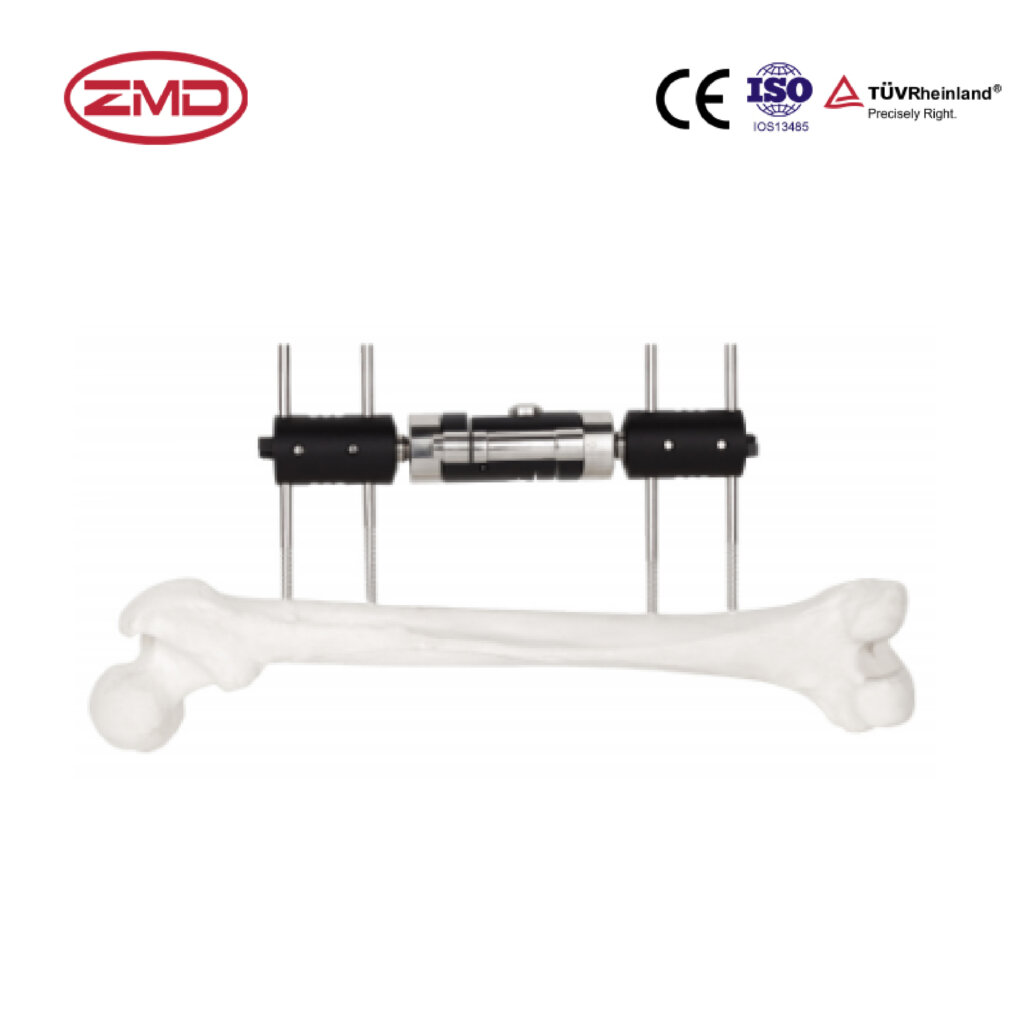
    In cases where children have limb deformities, whether congenital or acquired, the Pediatric L.R.S. Ball – Joint Coupling Template is highly indicated. For congenital limb deformities like clubfoot, bowing of the long bones (such as tibial or femoral bowing), or limb length discrepancies, corrective surgeries are often required. During these procedures, precise alignment of the bones and proper coupling of any implants or fixation devices are crucial. The ball – joint coupling template comes into play as it allows surgeons to accurately position the coupling elements. For example, when using external fixation devices to gradually correct a limb deformity, the template helps ensure that the ball – joint couplings connecting the different rods or frames are placed precisely. This precision in placement enables the controlled correction of the deformity over time by allowing for the appropriate range of movement and stability at the coupling points. It helps in achieving the desired anatomical alignment of the limb and promotes proper bone growth and remodeling during the healing process.
  2. Pediatric Joint Surgeries
    In various pediatric joint surgeries, the use of the ball – joint coupling template is beneficial. This includes surgeries for joint dislocations, ligament reconstructions around joints, or corrective procedures for joint deformities caused by trauma or developmental issues. For instance, in a pediatric knee reconstruction surgery where there has been damage to the ligaments or an abnormal joint alignment, the template can assist in positioning the ball – joint couplings for any prosthetic or fixation components. The ball – joint design of the template allows for the necessary flexibility to mimic the natural range of motion of the joint while providing stability at the same time. It ensures that the coupling between different parts of the joint reconstruction apparatus is accurate, reducing the risk of improper joint function after the surgery. This accurate coupling helps in maintaining the correct anatomical relationships within the joint, facilitating better recovery and restoration of normal joint movement for the child.
  3. Complex Pediatric Orthopedic Interventions Requiring Precise Alignment and Stability
    There are many other complex pediatric orthopedic interventions where accurate alignment and stable coupling are essential. This could involve procedures for complex fractures near joints, corrective surgeries for skeletal dysplasias affecting multiple bones and joints, or surgeries for children with neuromuscular disorders that require precise orthopedic management. In all these cases, the Pediatric L.R.S. Ball – Joint Coupling Template serves as a specialized tool. It helps surgeons ensure that the ball – joint couplings are placed correctly, which is vital for the overall success of the procedure. By providing a reliable means of achieving accurate alignment and stability at the coupling points, it contributes to better surgical outcomes, including improved bone healing, enhanced joint function, and a higher likelihood of the child achieving a good quality of life with normal limb and joint usage in the long term. Overall, it is a key component in many pediatric orthopedic scenarios where precision and stability are of utmost importance for optimal results

How Does The Pediatric L.R.S. Ball – Joint Coupling Template Work

  1. Initial Positioning in Surgery
    During a pediatric orthopedic procedure, the first step involving the Pediatric L.R.S. Ball – Joint Coupling Template is its careful positioning. Surgeons rely on their preoperative assessment of the child’s anatomy, which may include information from X-rays, CT scans, or MRIs. Based on this understanding of the specific orthopedic condition and the intended surgical plan, they place the template at the relevant site. For example, in a limb deformity correction surgery, the template is positioned around the area where the ball – joint coupling will be installed, ensuring it aligns precisely with the bones and the planned trajectory of the correction. This initial positioning is crucial as it sets the foundation for accurate placement of the subsequent coupling device.
  2. Utilizing the Ball – Joint Design for Alignment and Flexibility
    The ball – joint design of the template plays a vital role in the process. Once positioned, the ball – joint allows for a certain degree of movement and flexibility. This is designed to mimic the natural movement of joints, which is especially important in pediatric orthopedic procedures where maintaining or restoring normal joint function is often a key goal. The ball – joint can adjust to the unique anatomical contours of the child’s bones and soft tissues. For instance, if there are slight variations in the shape or alignment of the bones due to a congenital deformity or previous injury, the ball – joint can adapt to these differences. This flexibility helps in achieving a more accurate and customized alignment for the coupling device that will be installed. It ensures that the coupling can accommodate the natural range of motion that the joint should have after the procedure, promoting better functional outcomes.
  3. Guiding the Placement of the Coupling Device
    Medical professionals then use the template as a guide to install the ball – joint coupling device. The template provides clear visual and physical cues for where the coupling should be positioned and how it should be oriented. Surgeons can use the template’s markings or structural features to precisely align the different components of the coupling, such as the ball and socket parts. For example, in a joint reconstruction surgery, the template helps ensure that the ball – joint coupling is placed at the correct angle and depth relative to the surrounding bones and tissues. This precision in placement is essential because it determines the stability and functionality of the coupling. If the coupling is not installed accurately, it could lead to issues like limited joint movement, instability, or improper load distribution, which can negatively impact the child’s recovery and long – term joint health.
  4. Ensuring Stability and Support
    Once the coupling device is installed following the template’s guidance, it provides stability and support. The correct placement achieved with the help of the template ensures that the coupling can effectively withstand the forces exerted on the joint during normal movement and weight – bearing activities. In pediatric patients, this is particularly important as their bones are still growing and developing. The stability provided by the coupling helps in maintaining the correct alignment of the bones and promotes proper healing. For example, in a corrective surgery for a limb deformity where an external fixation device with ball – joint couplings is used, the accurately placed couplings support the gradual realignment of the limb and prevent any unwanted movement or misalignment during the healing process.
  5. Removal after the Procedure
    After the surgical procedure is completed and the coupling device is properly installed and functioning as intended, the Pediatric L.R.S. Ball – Joint Coupling Template is removed. The removal process is a relatively straightforward surgical step, but it is carried out with care to avoid any disruption to the newly installed coupling or damage to the surrounding tissues. Once removed, the child can progress through the post – operative recovery phase, with the coupling device continuing to provide the necessary support and functionality for the healing and restoration of normal joint or limb function. Overall, the template serves as a valuable tool throughout the surgical process, facilitating the achievement of optimal results in pediatric orthopedic surgeries.

Frequently Asked Questions

Q1: What is it made of?

A:
The Pediatric L.R.S. Ball - Joint Coupling Template is typically crafted from medical - grade materials that are carefully chosen to be suitable for pediatric use. These materials are biocompatible, meaning they are well - tolerated by a child's body and are less likely to cause adverse reactions such as infections, allergic responses, or irritation. Commonly used materials may include high - quality plastics or metal alloys like titanium or stainless steel. High - quality plastics can offer flexibility and ease of manufacturing into the desired shape while maintaining durability. Titanium is known for its excellent biocompatibility and corrosion resistance, and stainless steel provides strength and durability. The specific material or combination of materials depends on factors like the intended function of the template, the need for sterilization, and the expected lifespan of the device

Q2: How accurate is the coupling?

A:
It provides precise coupling for optimal results. The design of the template, especially the ball - joint and its associated components, is engineered with a high level of precision. The markings and structural features on the template guide medical professionals to position the ball - joint coupling device with great accuracy. This precision is crucial in pediatric orthopedic surgeries as even a small deviation in the placement of the coupling can impact the alignment of bones, the functionality of joints, and ultimately the success of the procedure. For example, in limb deformity correction surgeries or joint reconstructions, the accurate coupling achieved with the help of this template ensures that the bones are properly aligned and the joint can move and function as intended, promoting better healing and long - term outcomes for the child.

Q3: Is it easy to use?

A:
Yes, the Pediatric L.R.S. Ball - Joint Coupling Template is designed to be user - friendly for medical professionals. Its design is intuitive, with features that are easy to understand and manipulate during surgical procedures. The ball - joint, for instance, has a natural range of motion that is easy to work with, allowing surgeons to quickly adjust and position the template as needed. Additionally, the template's overall shape and any markings or guides on it are clear and straightforward, enabling medical staff to use it effectively without excessive complexity. However, like any medical device, proper usage does require a certain level of skill and familiarity, which comes with experience in pediatric orthopedic surgeries

Q4: Can it be sterilized?

A:
Yes, it can be sterilized to ensure safety during procedures. Sterilization is an essential step to eliminate any potential pathogens or contaminants that could pose a risk to the child's health. Different sterilization methods can be employed depending on the material of the template. For materials like high - quality plastics, methods such as ethylene oxide gas sterilization or plasma sterilization might be suitable. Metal components like titanium or stainless steel can often withstand autoclaving (steam sterilization under high pressure). Manufacturers usually provide specific guidelines regarding the recommended sterilization procedures to maintain the integrity and functionality of the template

Q5: Does it come in different sizes?

A:
It may come in various sizes to fit different pediatric patients. Since children have different body sizes and anatomical dimensions depending on their age, growth stage, and the specific area of the body being treated, having size options is vital. Smaller templates might be used for younger children or for procedures involving smaller joints or bones, while larger sizes could be appropriate for older children or when dealing with larger skeletal structures. Surgeons can select the appropriate size based on preoperative evaluations, including physical examinations and imaging studies, to ensure that the template fits well and provides the necessary guidance for accurate coupling in each individual case.

Q6: How durable is it?

A:
Made from durable materials, the Pediatric L.R.S. Ball - Joint Coupling Template can withstand multiple uses. The choice of materials, such as robust plastics or strong metal alloys, ensures that it can endure the rigors of surgical handling, repeated sterilization processes (if it's a reusable device), and the mechanical stresses that occur during its use in procedures. For example, the ball - joint mechanism should maintain its smooth movement and structural integrity over time, and the overall template should not warp or break easily. However, the durability also depends on proper storage, handling, and adherence to the recommended sterilization and usage guidelines to maximize its lifespan.

Q7: Can it be reused?

A:
Depending on the material and sterilization process, some Pediatric L.R.S. Ball - Joint Coupling Templates may be reusable. If the template is made of materials that can tolerate repeated sterilization without significant degradation in quality or functionality, and if it passes the necessary quality checks after sterilization, it could potentially be reused. However, many healthcare facilities have strict policies regarding the reuse of medical devices, especially those used in pediatric patients where safety and sterility are of the utmost importance. In some cases, due to concerns about potential damage during use or difficulties in ensuring complete sterilization, these templates may be designated as single - use items.

Q8: What procedures is it used in?

A:
It is used in pediatric orthopedic surgeries. Specifically, it is valuable in procedures where accurate ball - joint coupling is required for proper alignment and stability. This includes surgeries for pediatric limb deformity corrections, such as those for clubfoot, bowing of long bones, or limb length discrepancies. It is also utilized in various joint surgeries, like reconstructions for joint dislocations, ligament repairs around joints, or corrective procedures for joint deformities caused by trauma or developmental issues. Additionally, it can be employed in other complex pediatric orthopedic interventions that involve the use of ball - joint couplings to ensure precise positioning and functionality for optimal surgical outcomes

Q9: How does the ball - joint work?

A:
The ball - joint provides flexibility and stability. The ball portion of the joint is designed to fit snugly into the socket, allowing for a range of movement in multiple directions, similar to how natural joints move. This flexibility enables the template to adapt to the unique anatomical contours of the child's bones and soft tissues during surgery. For example, if there are variations in bone shape or alignment due to a congenital condition or previous injury, the ball - joint can adjust accordingly. At the same time, the design of the ball - joint ensures stability. Once positioned and adjusted, it holds its place firmly, providing a reliable connection point for the coupling device. The combination of flexibility and stability is crucial as it allows for accurate placement of the coupling while also ensuring that it can withstand the forces exerted during normal movement and the healing process after the procedure

Q10: Does it require special training to use?

A:
Some training may be beneficial to ensure proper usage of the Pediatric L.R.S. Ball - Joint Coupling Template. While the device is designed to be relatively intuitive, understanding its specific features, such as the operation of the ball - joint, the correct positioning based on different surgical scenarios, and the proper handling during sterilization and storage, is important. Training programs typically cover aspects like how to select the appropriate size of the template for a particular patient, how to position it accurately during surgery to achieve the best coupling results, and how to ensure its proper removal after the procedure. Additionally, training may also include knowledge about potential risks and how to avoid them, as well as an understanding of the role of the template in different pediatric orthopedic procedures to help medical professionals use it effectively and safely for optimal surgical outcomes.
Related Articles

Request A Free Quote

Oh yeah! I have to mention their payment options and discount offers, which are awesome! Those payment methods are as flexible as moving water and can be chosen freely according to our cash flow situation. And the frequent discounts, like a timely rain, have been moisturizing our financial statements time and again, and have had a rocket-like positive impact on our profits! With ZMD, I feel relaxed and at ease when it comes to purchasing!

We'd like to work with you

Send us a message if you have any questions or request a quote. Our experts will give you a reply within 24 hours and help you select the right valve you want.

We have an exclusive service of medical products for you, please leave your details and we will contact you as soon as possible.