

+86-0512-6913892

Phone line

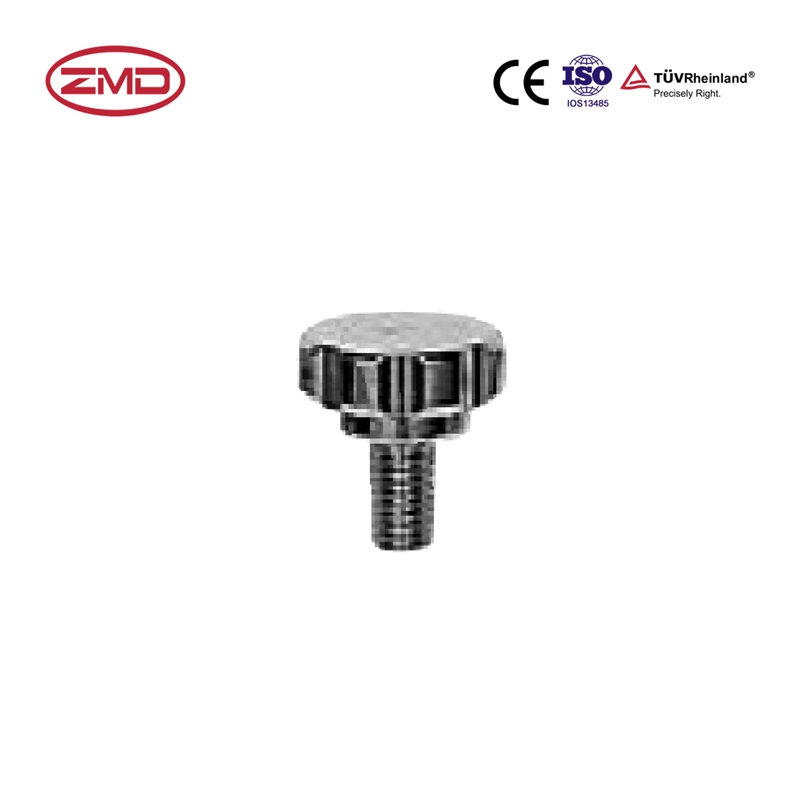
Peadistric L.R.S. Template Locking Screw

  1. Pediatric Specific: Designed for pediatric applications.
  2. Locking Function: Ensures stability.
  3. Durable Material: Long-lasting and reliable.
  4. Easy to Install: Simple for medical professionals.
  5. Precise Fit: For accurate template placement.
CODEPRODUCTIONDESCRIPTIONMATERIAL
ZF205Peadistric L.R.S. Template Locking Screw/S.S


Key Features and Benefits of the Pediatric L.R.S. Template Locking Screw

Key Features

  • Reliable Locking Mechanism for Stability
    • The locking mechanism of the Pediatric L.R.S. Template Locking Screw is a standout feature. It is designed to provide a high level of stability during pediatric orthopedic procedures. This mechanism works to firmly hold the screw in place once it’s inserted. For example, in procedures where a template needs to be fixed in a precise position, such as in corrective surgeries for congenital limb deformities in children, the locking screw ensures that the template doesn’t shift. The design of the locking mechanism is often engineered to withstand the forces that may occur during the procedure and the child’s natural movements, providing a secure and stable fixation.
  • High – Quality Materials for Durability and Safety
    • Constructed from high – quality materials, this locking screw is built to last and is safe for pediatric patients. The materials used are carefully selected to meet the strict requirements of medical devices used in children. They are usually biocompatible, meaning the body’s immune system is less likely to have an adverse reaction. Additionally, the materials have excellent mechanical properties to ensure the screw’s durability. For instance, they can resist corrosion, which is important as the screw may be in the body for an extended period during the healing process. This durability also means that the screw can maintain its structural integrity and perform its locking function effectively throughout the treatment.
  • Precision in Locking for Accurate Placement
    • The screw offers precision in locking, which is crucial for accurate placement of templates. In pediatric orthopedics, where the bones are still growing and the margin for error is relatively small, the ability to precisely lock the template in place is essential. The design of the screw allows for fine – tuned adjustments during insertion to ensure that the template is aligned exactly as needed. This precision helps in achieving better surgical outcomes as it allows for more accurate corrections of bone deformities or other orthopedic conditions.

Benefits

  • Ease of Use for Medical Professionals
    • The Pediatric L.R.S. Template Locking Screw is designed to be user – friendly for medical professionals. Its design and functionality simplify the process of using the screw during procedures. The locking mechanism, for example, may be easy to operate, allowing surgeons to quickly and efficiently secure the template. This ease of use saves valuable time and effort during the often – complex and time – sensitive pediatric orthopedic surgeries. It also reduces the potential for errors that could occur due to difficulties in handling the device, ultimately improving the overall quality of care provided.
  • Essential Tool for Pediatric Orthopedic Procedures
    • Overall, this locking screw is an indispensable tool in pediatric orthopedic procedures. Whether it’s for procedures related to bone fractures, limb deformities, or other orthopedic issues in children, its combination of stability, precision, and ease of use makes it highly valuable. It helps surgeons achieve better control and accuracy during surgeries, which in turn leads to more successful outcomes. By providing a reliable means of fixing templates in place, it contributes to the proper alignment and fixation of bones and other structures, promoting better healing and long – term function in pediatric patients

Indications for Pediatric L.R.S. Template Locking Screw

  1. Pediatric Fracture Fixation Surgeries
    In cases where children have suffered fractures, especially those that require precise alignment of screws or implants for optimal healing, the Pediatric L.R.S. Template Locking Screw plays a vital role. When setting fractures, surgeons often rely on templates to guide the accurate placement of fixation devices. The locking screw can be used to securely hold these templates in place. For example, in a long bone fracture in a child, like a forearm fracture, the template helps determine the correct angle and position for inserting screws. The locking screw ensures that the template doesn’t move during the procedure, allowing for the screws or implants to be placed precisely as planned. This precision is crucial as it helps in achieving proper bone alignment, which in turn promotes faster and more effective healing, reducing the risk of complications such as malunion (healing in an incorrect position) or non-union (failure of the bone to heal).
  2. Congenital Deformity Corrections
    In pediatric orthopedics, dealing with congenital deformities is a common scenario. Whether it’s a deformity of the limbs, such as clubfoot or a skeletal deformity affecting the spine or pelvis, corrective surgeries are often required. The Pediatric L.R.S. Template Locking Screw can be extremely useful in these procedures. For instance, in a corrective surgery for a congenital limb deformity like a bowed tibia, templates are used to plan the realignment and fixation of the bone. The locking screw secures the template, enabling surgeons to accurately position the necessary implants or make precise bone cuts. This helps in gradually correcting the deformity over time and ensuring that the new alignment is maintained during the healing process. By providing stable template fixation, it enhances the overall success of the corrective procedure and improves the long-term functional outcome for the child.
  3. Other Pediatric Orthopedic Interventions Requiring Precision
    There are various other pediatric orthopedic procedures where accurate template placement and stability are essential. This could include surgeries for bone lengthening procedures in children with growth disorders, corrective surgeries for angular deformities of bones due to trauma or genetic factors, or even procedures for the insertion of orthopedic devices in children with neuromuscular conditions. In all these cases, the Pediatric L.R.S. Template Locking Screw can be employed to hold the relevant templates firmly in place. This allows surgeons to carry out the interventions with greater precision, increasing the likelihood of achieving the desired anatomical correction and improving the child’s quality of life by restoring normal limb function or skeletal alignment. Overall, it is a specialized tool that caters specifically to the unique needs of pediatric orthopedic care where precision and stability are of utmost importance for successful outcomes

How Does The Pediatric L.R.S. Template Locking Screw Work

  1. Initial Template Positioning
    During a pediatric orthopedic procedure, the first step is to position the template according to the specific requirements of the surgery. Surgeons rely on preoperative imaging, such as X-rays, CT scans, or MRIs, to determine the exact position that the template should occupy. For example, in a corrective surgery for a congenital limb deformity, the template might be carefully aligned to indicate the ideal placement of screws or implants for achieving the correct bone alignment. The template is positioned precisely over the area of interest on the child’s bone or skeletal structure, serving as a guide for the subsequent steps of the procedure.
  2. Insertion of the Locking Screw
    Once the template is in the correct position, the Pediatric L.R.S. Template Locking Screw is then inserted. The screw has a design that allows it to be threaded into the bone or a fixation structure adjacent to the template. Surgeons use appropriate surgical instruments to drive the screw into place. The screw’s length and diameter are typically chosen based on the specific needs of the patient and the surgical situation. For instance, in a younger child with smaller bones, a smaller-sized screw would be selected to ensure a proper fit without causing excessive damage to the bone tissue. As the screw is inserted, its threads engage with the bone or fixation structure, creating a firm connection.
  3. Securing the Template
    The main function of the locking screw is to firmly attach the template. As the screw is tightened, it exerts pressure on the template, holding it securely in place. The locking mechanism of the screw comes into play here. It is designed to prevent any accidental movement or loosening of the template during the procedure. This is crucial because any shift in the template’s position could lead to inaccurate placement of other instruments, implants, or fixation devices. The locking mechanism might involve features like a specialized thread design or a locking collar that provides additional stability once the screw is fully tightened. For example, in a fracture fixation surgery where the template guides the placement of screws along the fracture line, the locking screw ensures that the template remains stationary as each screw is inserted, allowing for precise and consistent alignment of the fixation elements.
  4. Ensuring Accuracy for Instrument and Implant Placement
    With the template locked in place by the screw, it serves as a reliable reference for the accurate placement of other instruments or implants. Surgeons can then use the template’s markings or guides to precisely position screws, rods, or other orthopedic devices. This precision is vital in pediatric orthopedic surgeries as the bones are still growing, and even a small deviation in placement can have significant consequences for the child’s long-term skeletal development and function. For instance, in a bone lengthening procedure, accurate placement of the distraction rods guided by the template ensures that the bone grows evenly and in the correct alignment.
  5. Removal after the Procedure
    After the surgical procedure is completed and the template is no longer needed, the Pediatric L.R.S. Template Locking Screw can be removed. The removal process is usually a straightforward surgical step, although it requires careful attention to avoid any damage to the newly healed bone or surrounding tissues. Surgeons use appropriate instruments to unscrew it from its position. Once removed, the area can continue to heal, and the child can progress through the post-operative recovery and rehabilitation phase. Overall, the locking screw is a valuable tool throughout the surgical process, facilitating precision and contributing to better outcomes in pediatric orthopedic surgeries

Frequently Asked Questions

Q1: What is it made of?

A:
The Pediatric L.R.S. Template Locking Screw is typically crafted from medical-grade materials that are carefully selected for pediatric use. These materials are biocompatible, meaning they are well-tolerated by a child's body and are less likely to cause adverse reactions such as inflammation or allergic responses. Commonly used materials might include high-quality stainless steel or titanium alloys. Stainless steel offers good strength and durability, while titanium alloys are known for their excellent biocompatibility and corrosion resistance. The choice of material depends on various factors like the specific requirements of the surgical procedure and the expected duration the screw will be in place within the child's body

Q2: How does the locking mechanism work?

A:
The locking mechanism of the screw is designed to provide a secure hold and keep templates firmly in place during pediatric orthopedic procedures. It usually involves a combination of mechanical features. For instance, there could be a specialized thread design that, when tightened, creates a firm grip on the template and the surrounding structure (such as the bone or a fixation plate). Some locking screws may also have additional components like a locking collar or a self-locking nut. Once the screw is inserted and tightened to the appropriate level, these elements work together to prevent any accidental loosening or movement of the template. This ensures that the template remains stationary throughout the procedure, allowing for accurate placement of other instruments or implants based on the template's position.

Q3: Is it easy to install?

A:
Yes, the Pediatric L.R.S. Template Locking Screw is designed with user-friendliness in mind for medical professionals. Its design and construction are such that surgeons can install it relatively easily during a surgical procedure. The screw has a straightforward insertion process, often using standard surgical instruments for driving it into the appropriate position. However, like any medical device, proper installation does require a certain level of skill and knowledge. The ease of use also depends on the surgeon's familiarity with the device and their experience in pediatric orthopedic surgeries.

Q4: Can it be sterilized?

A:
Yes, the locking screw can be sterilized to ensure safety during procedures. Sterilization is a crucial step to eliminate any potential contaminants or microorganisms that could cause infections in the child. Different sterilization methods can be used depending on the material of the screw. For example, if it's made of stainless steel, autoclaving (steam sterilization under high pressure) might be a viable option. Titanium alloy screws can also withstand sterilization processes such as ethylene oxide gas sterilization or plasma sterilization. Manufacturers usually provide guidelines regarding the recommended sterilization methods to maintain the integrity and functionality of the screw.

Q5: Does it come in different sizes?

A:
It may come in various sizes to fit different pediatric cases. Since children have bones of different sizes and shapes depending on their age, body size, and the specific area of the body being treated, having size options is essential. Smaller screws might be used for younger children or for procedures involving smaller bones, while larger sizes could be appropriate for older children or when dealing with larger skeletal structures. Surgeons can select the most suitable size based on preoperative assessments, including imaging studies like X-rays or CT scans, to ensure that the screw provides effective fixation and template holding without causing undue stress on the bone.

Q6: How durable is it?

A:
Made from durable materials, the Pediatric L.R.S. Template Locking Screw can withstand the rigors of surgery. The high-quality materials used, such as stainless steel or titanium alloys, possess excellent mechanical properties. They can endure the forces applied during the insertion process, as well as any stress or movement that might occur during the surgical procedure itself. Additionally, they are resistant to wear and tear, ensuring that the screw maintains its structural integrity and locking functionality throughout the procedure. This durability is important as it allows the screw to perform its role of securing the template reliably, contributing to the success of the pediatric orthopedic surgery

Q7: Can it be reused?

A:
Depending on the material and sterilization process, some Pediatric L.R.S. Template Locking Screws may be reusable. If the screw is made of a material that can withstand repeated sterilization without degradation and if it maintains its mechanical properties and functionality after sterilization, it could potentially be reused. However, many hospitals and surgical facilities have strict policies regarding the reuse of medical devices, especially those used in pediatric patients where safety and sterility are of the utmost importance. In some cases, due to concerns about potential damage during use or the difficulty in ensuring complete sterilization, these screws may be designated as single-use items

Q8: What procedures is it used in?

A:
It is used in pediatric orthopedic surgeries. Specifically, it is valuable in procedures where accurate template placement and stability are crucial. This includes pediatric fracture fixation surgeries, where it helps hold templates in place to guide the correct placement of screws or implants for proper bone alignment. It is also utilized in surgeries for congenital deformity corrections, like those for limb deformities or spinal deformities in children. Additionally, it can be employed in other orthopedic interventions in pediatric patients that require precise positioning of instruments or implants, such as bone lengthening procedures or corrective surgeries for angular deformities of bones

Q9: How accurate is the locking?

A:
It offers precise locking for accurate template placement. The design of the locking mechanism and the screw itself is engineered to minimize any movement or displacement of the template once it's locked in place. This precision is vital in pediatric orthopedics as even a small deviation in the position of the template can lead to incorrect placement of implants or fixation devices, which could have significant implications for the child's skeletal development and long-term function. The screw's ability to hold the template firmly allows surgeons to rely on it as a stable reference for precisely positioning other surgical elements during the procedure

Q10: Does it require special training to use?

A:
Some training may be beneficial to ensure proper usage of the Pediatric L.R.S. Template Locking Screw. While the device is designed to be relatively intuitive for medical professionals, understanding its specific features, such as the locking mechanism and the correct insertion technique, is important. Training programs typically cover aspects like how to select the appropriate size of the screw based on the patient's anatomy, how to properly insert and tighten it to achieve optimal locking, and how to remove it safely after the procedure. Additionally, training may also include knowledge about the potential risks and benefits associated with using the screw in different pediatric orthopedic scenarios to ensure that surgeons can use it effectively and safely to achieve the best possible surgical outcomes
Related Articles

Request A Free Quote

Oh yeah! I have to mention their payment options and discount offers, which are awesome! Those payment methods are as flexible as moving water and can be chosen freely according to our cash flow situation. And the frequent discounts, like a timely rain, have been moisturizing our financial statements time and again, and have had a rocket-like positive impact on our profits! With ZMD, I feel relaxed and at ease when it comes to purchasing!

We'd like to work with you

Send us a message if you have any questions or request a quote. Our experts will give you a reply within 24 hours and help you select the right valve you want.

We have an exclusive service of medical products for you, please leave your details and we will contact you as soon as possible.