

- Home
- About Us
- Products
- Trauma Internal Fixation System
- Spinal Internal Fixation System
- External Fixation
- Artificial Implants System
- Sports Medicine
- Power tools
- VSD System
- Instruments
- Medical supplies
- Blog
- Personnel Profile
- Contact Us
Phone line
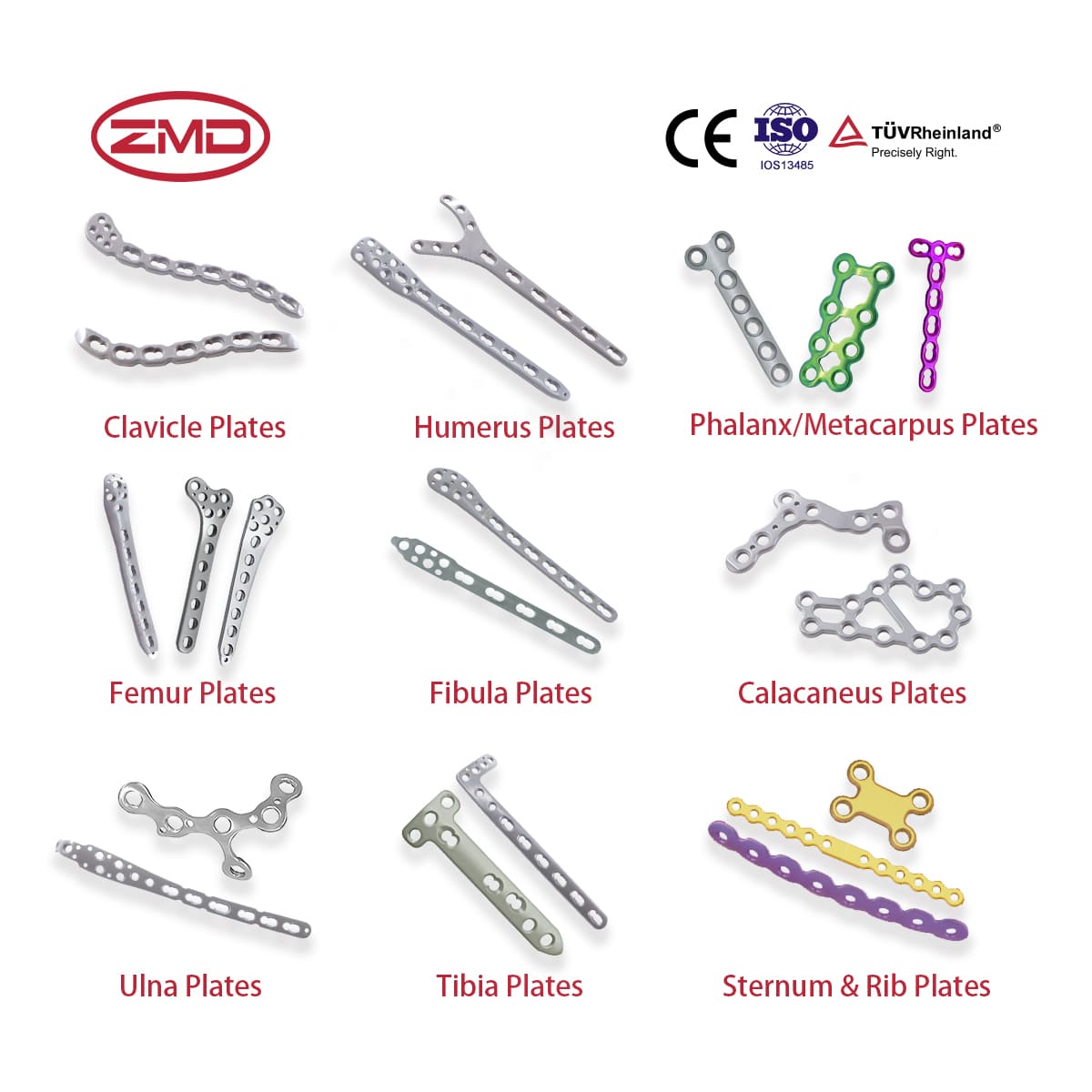
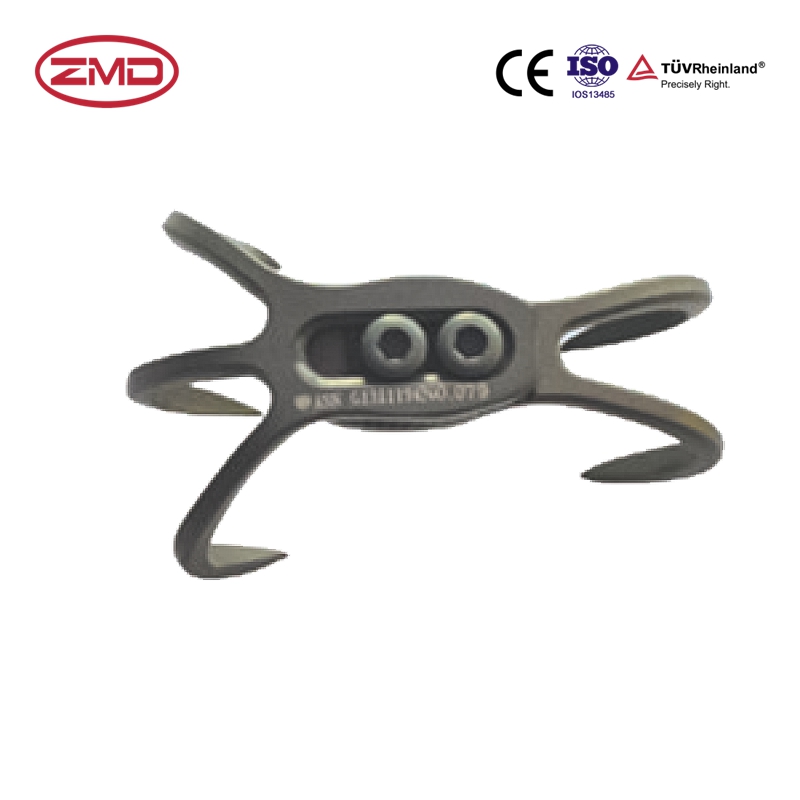
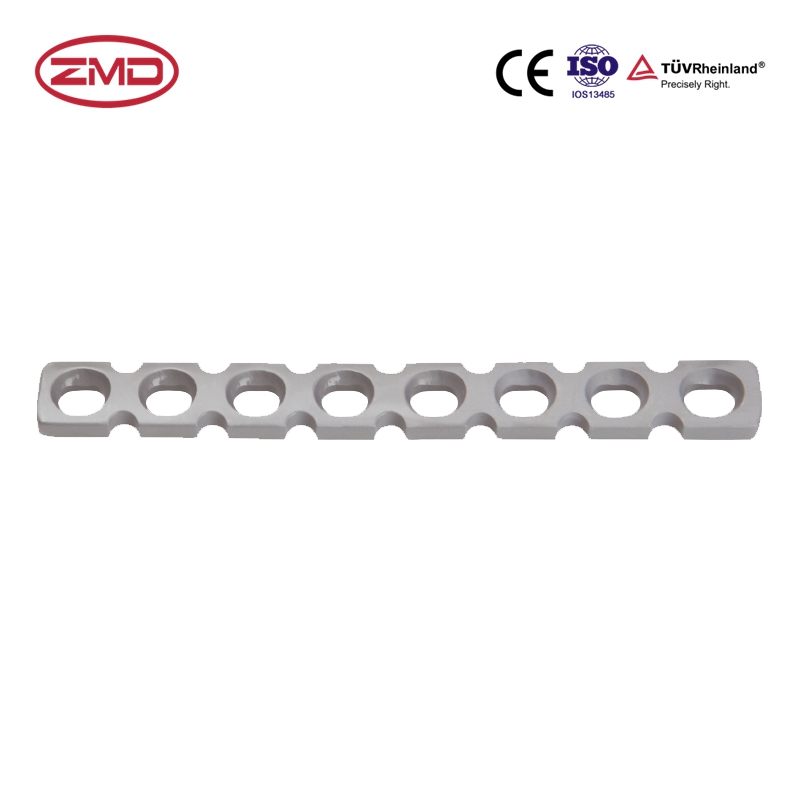
The Posterior Tuberosity Calcaneal Locking Plate is meticulously designed to match the intricate contours of the calcaneus, ensuring optimal implant stability and load-bearing capacity. Its precise fit minimizes soft tissue irritation and promotes accelerated healing.
Engineered with advanced locking technology, the plate provides superior fixation and prevents implant migration. The secure locking mechanism enhances construct stability, reducing the risk of implant failure and revision surgery.
The plate’s surface is treated with a biocompatible coating that promotes rapid bone-implant integration, accelerating fracture healing and reducing implant loosening. This innovative technology contributes to long-term implant stability and patient satisfaction.
Designed for a wide range of calcaneal fractures, this versatile plate offers multiple configuration options to accommodate diverse patient anatomies and fracture patterns. Its adaptability streamlines surgical procedures and improves clinical outcomes.
Designed for minimally invasive surgical techniques, the plate’s low profile and ergonomic shape facilitate easier insertion and reduces surgical trauma. This approach results in less pain, faster recovery, and improved patient outcomes.
| Code | Product name | Size | Related Screws |
| 2211.1507 | Posterior Tuberosity Calcaneal Locking Plate | S Left | 3.5mm |
| 2211.1509 | Posterior Tuberosity Calcaneal Locking Plate | L Left | 3.5mm |
| 2212.1507 | Posterior Tuberosity Calcaneal Locking Plate | S Right | 3.5mm |
| 2212.1509 | Posterior Tuberosity Calcaneal Locking Plate | L Right | 3.5mm |
Key Features and Benefits of the Posterior Tuberosity Calcaneal Locking Plate
The Posterior Tuberosity Calcaneal Locking Plate is a cutting-edge orthopedic implant designed to provide exceptional stability and support for calcaneal fractures. This innovative plate incorporates a precise anatomical fit, ensuring optimal alignment and load distribution. The robust locking mechanism prevents implant migration, promoting secure fixation and accelerated bone healing.
By minimizing soft tissue irritation and offering a versatile design, the plate enhances patient comfort and facilitates surgical efficiency. The biocompatible surface encourages rapid bone-implant integration, leading to improved clinical outcomes and reduced recovery time. Ultimately, the Posterior Tuberosity Calcaneal Locking Plate offers a reliable and effective solution for treating calcaneal fractures, restoring foot function, and improving patient quality of life.
Indications for Posterior Tuberosity Calcaneal Locking Plate
The Posterior Tuberosity Calcaneal Locking Plate is indicated for the treatment of various fractures and conditions affecting the posterior tuberosity of the calcaneus. This includes:
By providing stable fixation and promoting bone healing, the Posterior Tuberosity Calcaneal Locking Plate helps restore foot function and improve patient outcomes.
How Does a Posterior Tuberosity Calcaneal Locking Plate Work?
The Posterior Tuberosity Calcaneal Locking Plate is a surgical implant designed to stabilize fractures of the calcaneus bone. It works by providing a rigid framework to support the healing bone.
The plate is secured to the calcaneus using locking screws. These screws dig into the bone, preventing them from loosening and ensuring a stable fixation. The plate’s design often incorporates a low profile to minimize soft tissue irritation and promote healing.
Once implanted, the plate transfers forces from the body weight to the bone, allowing the fracture to heal without displacement. Over time, the bone will naturally grow into the plate, creating a strong union between the implant and the surrounding tissue. This process, called osseointegration, further reinforces the stability of the fracture repair.
By providing a stable environment for bone healing, the Posterior Tuberosity Calcaneal Locking Plate promotes early weight-bearing and facilitates a return to normal activities.
FAQ
Q1: What is a Posterior Tuberosity Calcaneal Locking Plate?
A: A Posterior Tuberosity Calcaneal Locking Plate is a medical implant designed to stabilize fractures of the posterior tuberosity of the calcaneus bone in the foot.
Q2: What types of fractures is it used for?
A: It is primarily used for treating fractures of the posterior tuberosity of the calcaneus, which is a common injury often caused by high-impact trauma.
Q3: How does the plate work?
A: The plate is secured to the calcaneus bone using locking screws. The plate’s design provides stability and supports the bone while it heals.
Q4: What are the benefits of using this plate?
A: Benefits include improved fracture healing, reduced pain, faster recovery time, and improved foot function.
Q5: Is the plate made from biocompatible materials?
A: Yes, these plates are typically made from biocompatible materials like titanium or stainless steel, which are safe for implantation.
Q6: How long does it take for the bone to heal with this plate?
A: Bone healing time varies based on individual factors, but the plate is designed to promote healing and reduce recovery time.
Q7: Does it require special surgical techniques?
A: The surgical procedure for implanting the plate is performed by orthopedic surgeons experienced in treating foot and ankle fractures.
Q8: Are there any risks associated with using the plate?
A: As with any surgery, there are potential risks like infection, implant failure, or nerve damage, but these are relatively uncommon.
Q9: Can the plate be removed after the bone has healed?
A: In most cases, the plate is designed to be a permanent implant. However, the decision to remove it should be made by a healthcare professional.
Q10: What is the role of the locking mechanism in the plate?
A: The locking mechanism securely anchors the plate to the bone, preventing it from shifting and ensuring stability during the healing process.




Oh yeah! I have to mention their payment options and discount offers, which are awesome! Those payment methods are as flexible as moving water and can be chosen freely according to our cash flow situation. And the frequent discounts, like a timely rain, have been moisturizing our financial statements time and again, and have had a rocket-like positive impact on our profits! With ZMD, I feel relaxed and at ease when it comes to purchasing!
Send us a message if you have any questions or request a quote. Our experts will give you a reply within 24 hours and help you select the right valve you want.
Book Now
If you are looking for professional orthopedic medical product solutions, don’t hesitate to contact us now!

We are an integrated manufacturer specializing in orthopedic medical industry, providing high quality and reliable orthopedic medical products to customers worldwide.
Copyright © 2024 ASK Project