




- Home
- About Us
- Products
- Trauma Internal Fixation System
- Spinal Internal Fixation System
- External Fixation
- Artificial Implants System
- Sports Medicine
- Power tools
- VSD System
- Instruments
- Medical supplies
- Blog
- Personnel Profile
- Contact Us
Phone line
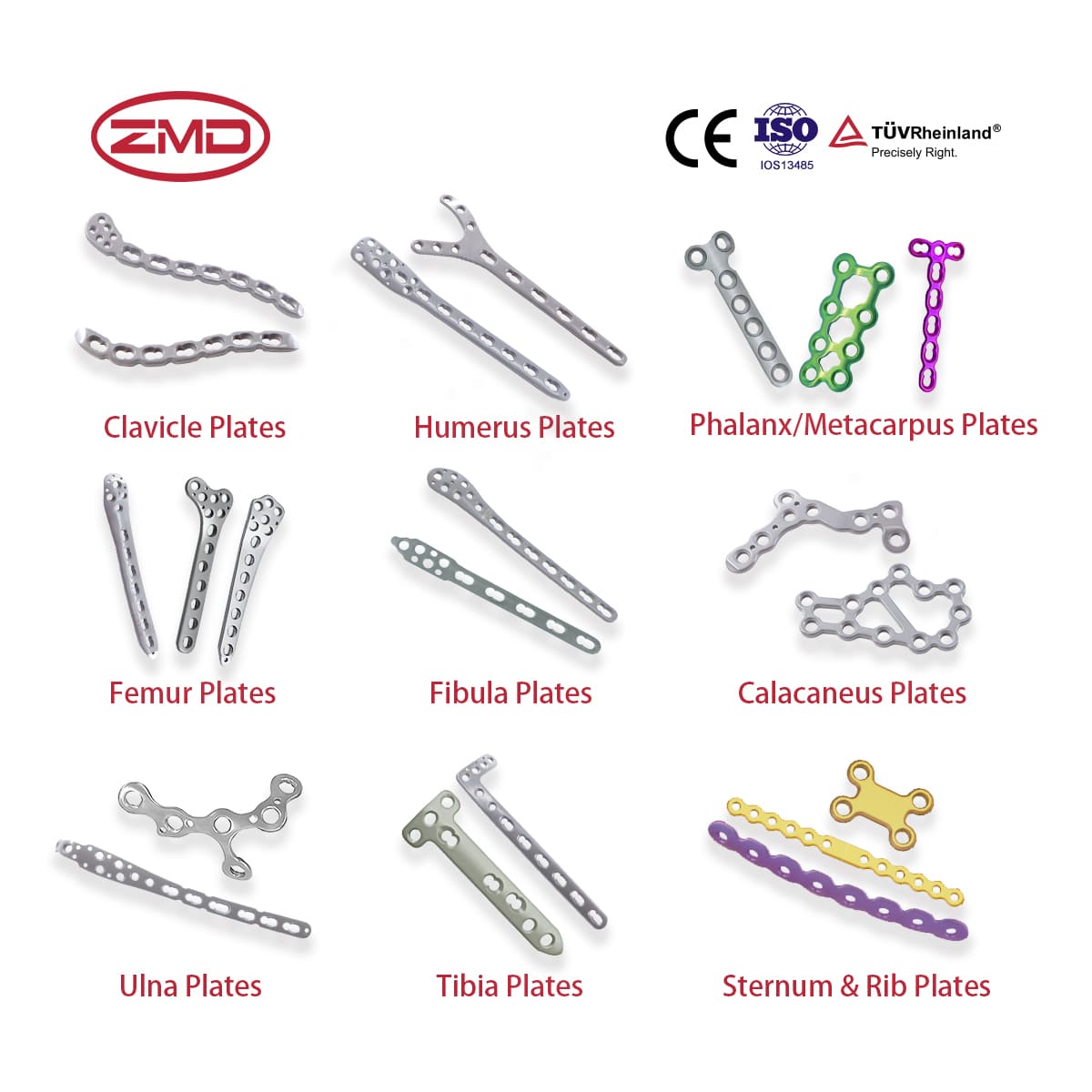
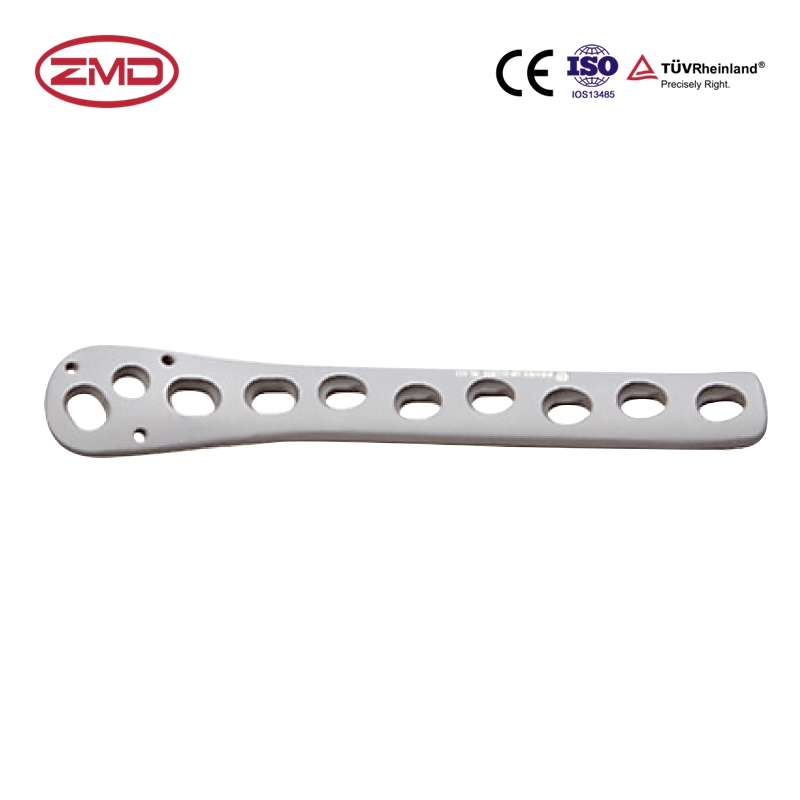
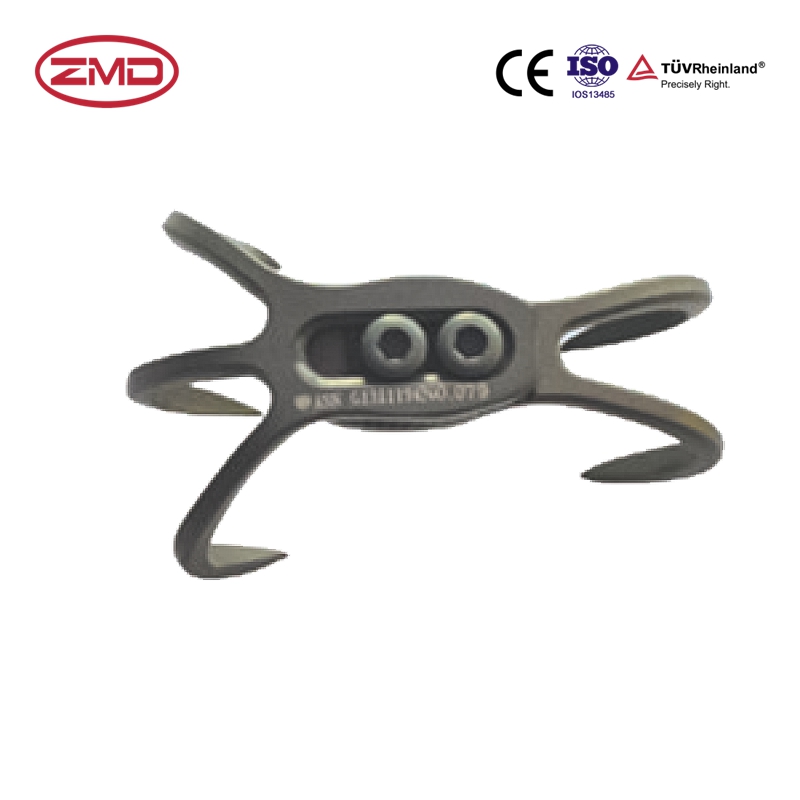
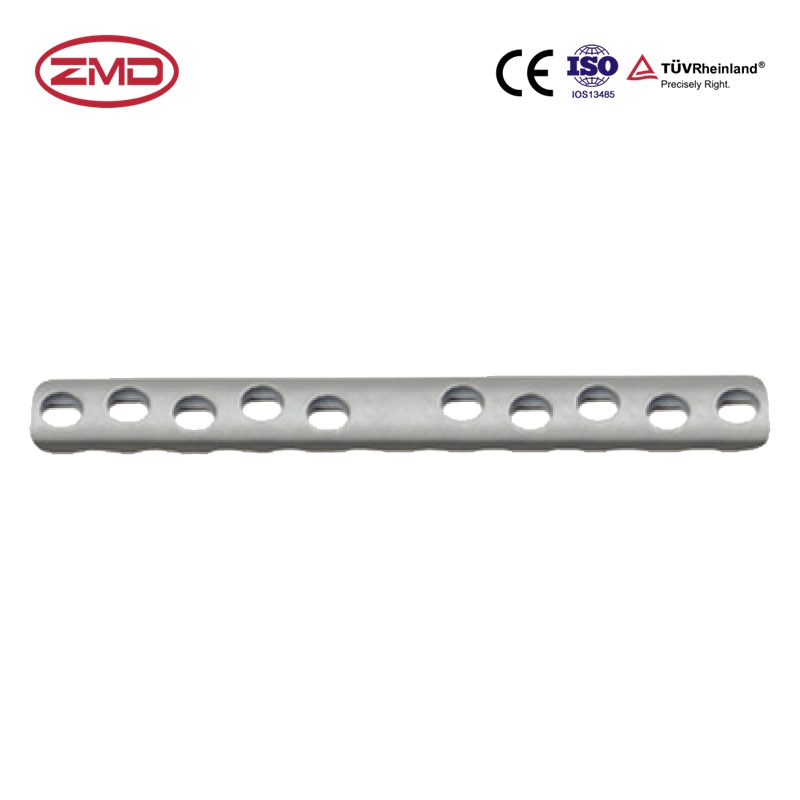
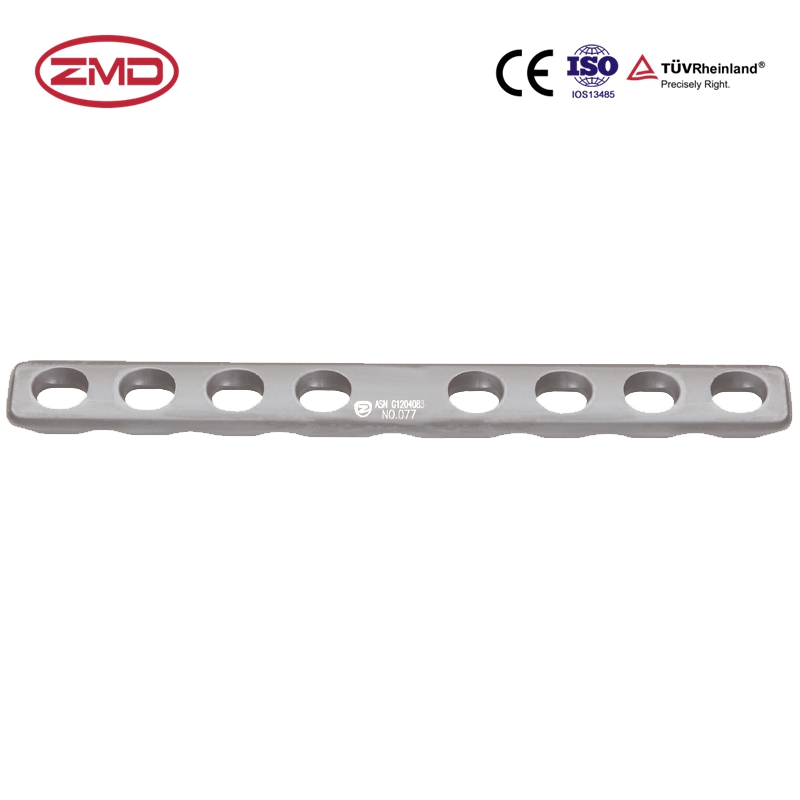
The Femoral Proximal Plate is designed to match the unique anatomy of the proximal femur. Its contour is optimized for secure fixation and minimal soft tissue irritation, promoting efficient bone healing.
Designed for various fracture patterns of the femoral neck and intertrochanteric region, the Femoral Proximal Plate offers exceptional versatility. Its configuration accommodates different fracture complexities.
The Femoral Proximal Plate provides robust stability for the proximal femur, preventing bone displacement and promoting proper alignment. This contributes to accelerated bone union and improved hip function.
The Femoral Proximal Plate features a low profile design, minimizing soft tissue trauma during implantation and reducing the risk of post-operative discomfort. This contributes to a faster recovery and enhanced patient satisfaction.
The Femoral Proximal Plate is designed for efficient surgical placement, reducing operative time and minimizing surgical trauma. The plate’s contours facilitate accurate positioning and secure fixation with screws.
| Code | Product name | Size | Related Screws |
| 1211.0905 | Femoral Proximal Plate | 5 Holes Left | 4.5mm |
| 1211.0907 | Femoral Proximal Plate | 7 Holes Left | 4.5mm |
| 1211.0909 | Femoral Proximal Plate | 9 Holes Left | 4.5mm |
| 1211.0911 | Femoral Proximal Plate | 11 Holes Left | 4.5mm |
| 1211.0913 | Femoral Proximal Plate | 13 Holes Left | 4.5mm |
| 1212.0905 | Femoral Proximal Plate | 5 Holes Right | 4.5mm |
| 1212.0907 | Femoral Proximal Plate | 7 Holes Right | 4.5mm |
| 1212.0909 | Femoral Proximal Plate | 9 Holes Right | 4.5mm |
| 1212.0911 | Femoral Proximal Plate | 11 Holes Right | 4.5mm |
| 1212.0913 | Femoral Proximal Plate | 13 Holes Right | 4.5mm |
Key Features and Benefits of the Femoral Proximal Plate
The Femoral Proximal Plate offers robust stability and support for complex fractures of the proximal femur. Its anatomical contour ensures optimal fit and minimal soft tissue irritation, promoting efficient bone healing. Crafted from high-grade medical-grade titanium, the plate is renowned for its biocompatibility and strength, ensuring long-term implant performance.
The plate’s design facilitates secure fixation and load distribution, accelerating bone union and reducing the risk of complications. By combining anatomical precision, robust stability, and minimal invasiveness, the Femoral Proximal Plate provides a superior solution for the treatment of proximal femoral fractures, facilitating a faster recovery and improved hip function.
Indications for Femoral Proximal Plate
The Femoral Proximal Plate is indicated for the fixation and stabilization of fractures involving the proximal femur, specifically the femoral neck and intertrochanteric region. Its design is suited to address a variety of fracture patterns in this area.
Specific indications include:
It is essential to evaluate the specific characteristics of each fracture to determine the optimal treatment plan and the suitability of the Femoral Proximal Plate.
A Femoral Proximal Plate is a surgical implant designed to stabilize fractures of the upper part of the femur, or thigh bone. During surgery, the plate is positioned along the femur and secured in place using locking screws. The plate provides a rigid structure to maintain the reduced position of the fracture fragments, preventing displacement and promoting proper alignment.
The plate’s design often incorporates features such as a contoured shape to match the anatomy of the femur and specific screw hole placements for optimal fixation. This helps to distribute forces evenly across the fracture site, reducing stress concentration and minimizing the risk of complications such as nonunion or malunion. As the bone heals, it integrates with the implant, forming a solid bony union. The plate’s low profile design helps to minimize soft tissue irritation, contributing to a faster recovery and improved hip function
FAQ
Q1: What is a Femoral Proximal Plate?
A Femoral Proximal Plate is a surgical implant designed to stabilize fractures of the upper part of the femur, or thigh bone.
Q2: What types of fractures does the Femoral Proximal Plate treat?
Femoral Proximal Plates are primarily used to treat fractures of the femoral neck and intertrochanteric region.
Q3: What material is typically used for a Femoral Proximal Plate?
Most Femoral Proximal Plates are made from medical-grade titanium, known for its strength, biocompatibility, and resistance to corrosion.
Q4: How is a Femoral Proximal Plate implanted?
The plate is surgically placed on the femur and secured in place using locking screws. The specific placement depends on the type of fracture.
Q5: Does the Femoral Proximal Plate affect hip function?
Initially, there may be limitations in hip function due to the healing process. However, with proper rehabilitation, most patients regain full or near-full hip function.
Q6: How long does it take for a bone to heal with a Femoral Proximal Plate?
Bone healing time varies depending on the individual, the severity of the fracture, and other factors. Generally, it takes several weeks to months for the bone to fully heal.
Q7: Will the Femoral Proximal Plate be removed after healing?
In many cases, the Femoral Proximal Plate can remain in place as a permanent implant. However, the decision to remove it will depend on the specific situation and the patient’s healing progress.
Q8: What are the potential risks of Femoral Proximal Plate implantation?
As with any surgery, there are potential risks such as infection, implant failure, and nerve damage. However, these risks are generally low when the procedure is performed by a qualified surgeon.
Q9: What kind of post-operative care is required for a Femoral Proximal Plate?
Post-operative care typically involves immobilization, pain management, and physical therapy to restore hip function.
Q10: Can I participate in sports or other physical activities after Femoral Proximal Plate surgery?
Returning to sports and physical activities will depend on the healing process and your surgeon’s recommendations. It’s important to follow the post-operative care plan closely.




Oh yeah! I have to mention their payment options and discount offers, which are awesome! Those payment methods are as flexible as moving water and can be chosen freely according to our cash flow situation. And the frequent discounts, like a timely rain, have been moisturizing our financial statements time and again, and have had a rocket-like positive impact on our profits! With ZMD, I feel relaxed and at ease when it comes to purchasing!
Send us a message if you have any questions or request a quote. Our experts will give you a reply within 24 hours and help you select the right valve you want.
Book Now
If you are looking for professional orthopedic medical product solutions, don’t hesitate to contact us now!

We are an integrated manufacturer specializing in orthopedic medical industry, providing high quality and reliable orthopedic medical products to customers worldwide.
Copyright © 2024 ASK Project