


- Home
- About Us
- Products
- Trauma Internal Fixation System
- Spinal Internal Fixation System
- External Fixation
- Artificial Implants System
- Sports Medicine
- Power tools
- VSD System
- Instruments
- Medical supplies
- Blog
- Personnel Profile
- Contact Us
Manager’s Mobile
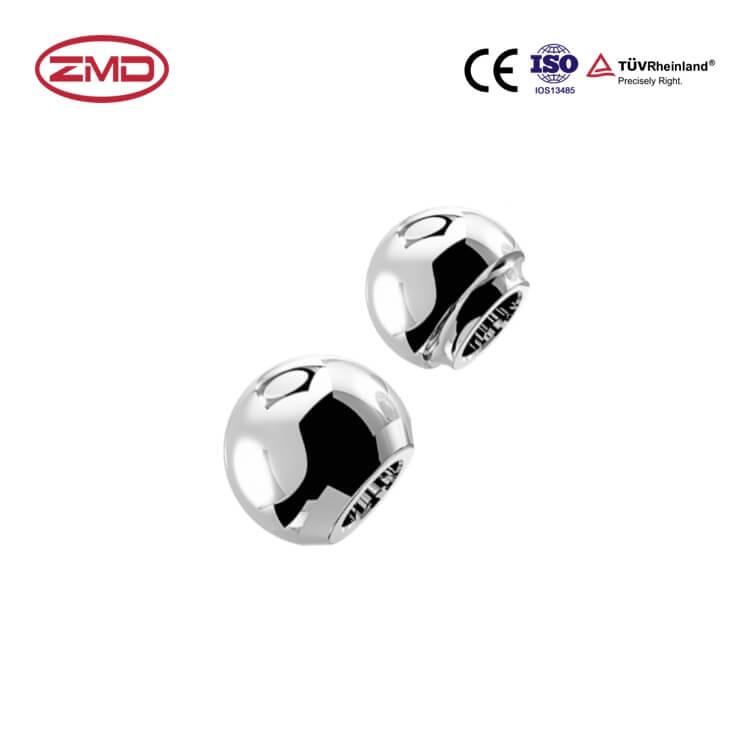
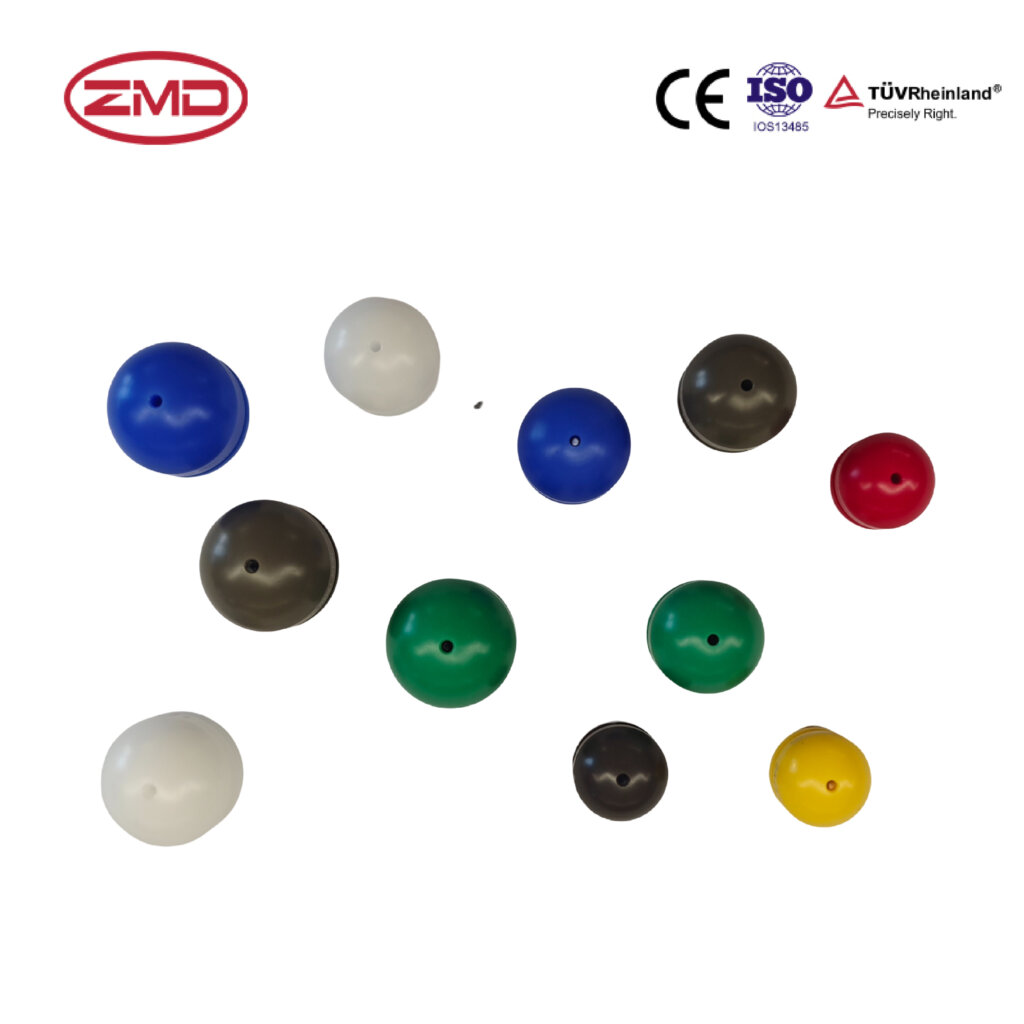
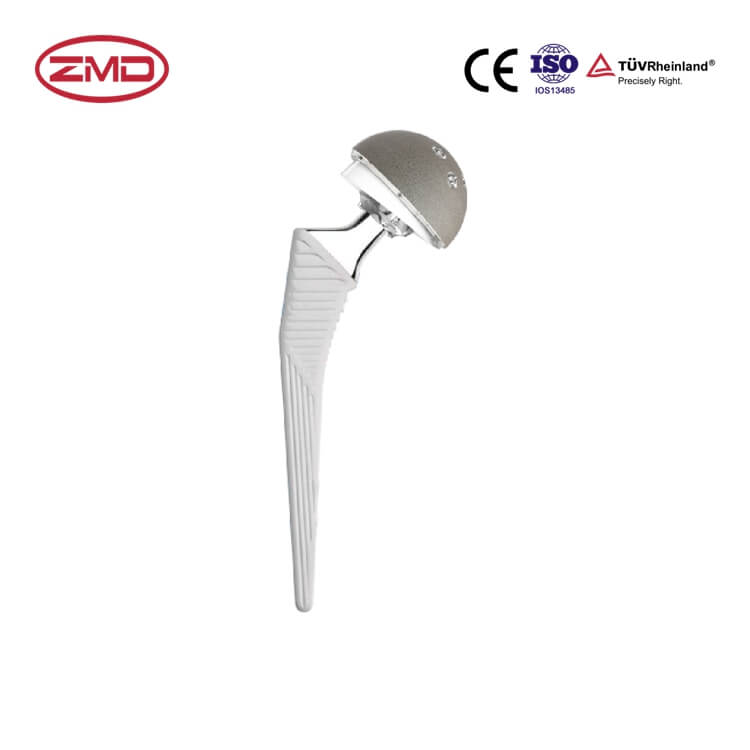
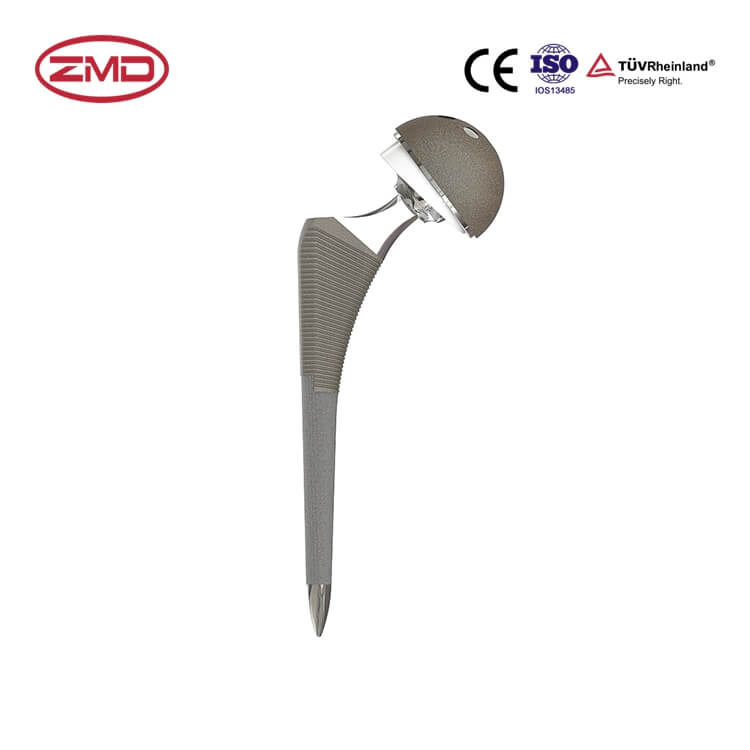
| Code | Product Name | Specification | Material |
| 80101 | Femoral Head | 22+0, 22+3.5 | CoCrMo |
| 24-3.5, 24+0, 24+3.5, 24+7 | |||
| 28-3.5, 28+0, 28+3.5, 28+7 | |||
| 32-3.5, 32+0, 32+3.5, 32+7 |
Key Features and Benefits of the Femoral Head
The femoral head is a crucial component of the hip joint, playing a vital role in mobility and weight-bearing.Its key features and benefits include:
Ball-and-Socket Joint: The femoral head forms a ball-and-socket joint with the acetabulum of the pelvis, allowing for a wide range of motion in all directions.
Weight-Bearing Capability: The femoral head is designed to support the weight of the body, making it a strong and durable structure.
Smooth Articular Surface: The femoral head is covered in articular cartilage, providing a smooth and low-friction surface for movement.
Blood Supply: The femoral head receives blood supply from the femoral neck, ensuring adequate nutrition and oxygenation.
Essential for Mobility: The hip joint, formed by the femoral head and acetabulum, is crucial for walking, running, and other activities.
Indications for Femoral Head
The femoral head is a crucial component of the hip joint, and abnormalities or injuries to the femoral head can require medical intervention. Common indications for treatment of the femoral head include:
How Does the Femoral Head Work
The femoral head is a crucial component of the hip joint, playing a vital role in mobility and weight-bearing. It functions as a ball-and-socket joint, allowing for a wide range of movement in all directions.
FAQ
Q1: What is the femoral head?
A: The femoral head is the rounded, ball-shaped upper end of the femur, the thigh bone. It forms part of the hip joint.
Q2: What is the function of the femoral head?
The femoral head functions as a ball-and-socket joint, allowing for a wide range of movement. It also supports the weight of the body.
Q3: What are some common injuries or conditions that affect the femoral head?
Common injuries and conditions that affect the femoral head include fractures, osteoarthritis, avascular necrosis, and hip dislocations.
Q4: What are the symptoms of femoral head problems?
Symptoms of femoral head problems can include pain in the hip or groin, limited range of motion, swelling, and difficulty walking.
Q5: How is a femoral head injury diagnosed?
A doctor can diagnose a femoral head injury through physical examination, X-rays, MRI scans, or other imaging tests.
Q6: What are the treatment options for femoral head injuries?
Treatment options for femoral head injuries can include non-surgical treatments like rest, physical therapy, and medications, or surgical procedures such as hip replacement or femoral head reconstruction.
Q7: What are the risks associated with femoral head surgery?
As with any surgical procedure, there are risks involved, including infection, blood loss, and nerve damage. However, the risks are generally low when the surgery is performed by a qualified surgeon.
Q8: How long does recovery from femoral head surgery typically take?
Recovery time from femoral head surgery varies depending on the type of surgery and the individual patient. It may take several months to fully recover.
Q9: Can I prevent femoral head injuries?
Maintaining a healthy weight, exercising regularly, and avoiding activities that put excessive stress on the hip joint can help prevent femoral head injuries.
Q10: When should I see a doctor about femoral head pain?
If you experience persistent hip pain, especially when accompanied by limited range of motion or swelling, it’s important to see a doctor for evaluation.



Oh yeah! I have to mention their payment options and discount offers, which are awesome! Those payment methods are as flexible as moving water and can be chosen freely according to our cash flow situation. And the frequent discounts, like a timely rain, have been moisturizing our financial statements time and again, and have had a rocket-like positive impact on our profits! With ZMD, I feel relaxed and at ease when it comes to purchasing!
Send us a message if you have any questions or request a quote. Our experts will give you a reply within 24 hours and help you select the right valve you want.
Book Now
If you are looking for professional orthopedic medical product solutions, don’t hesitate to contact us now!
🏆 ZMD Medical Your One‑Stop Orthopedic Solution Partner
🏭 Established in 1993 | 20000 m² Factory 📜 CE / ISO / CFDA 📱 +86‑18651128828 🌐 zmdorthopedics.com 🔗 meditch.cn
Copyright © 2024 ASK Project